No products in the cart.

Category: Environment EN

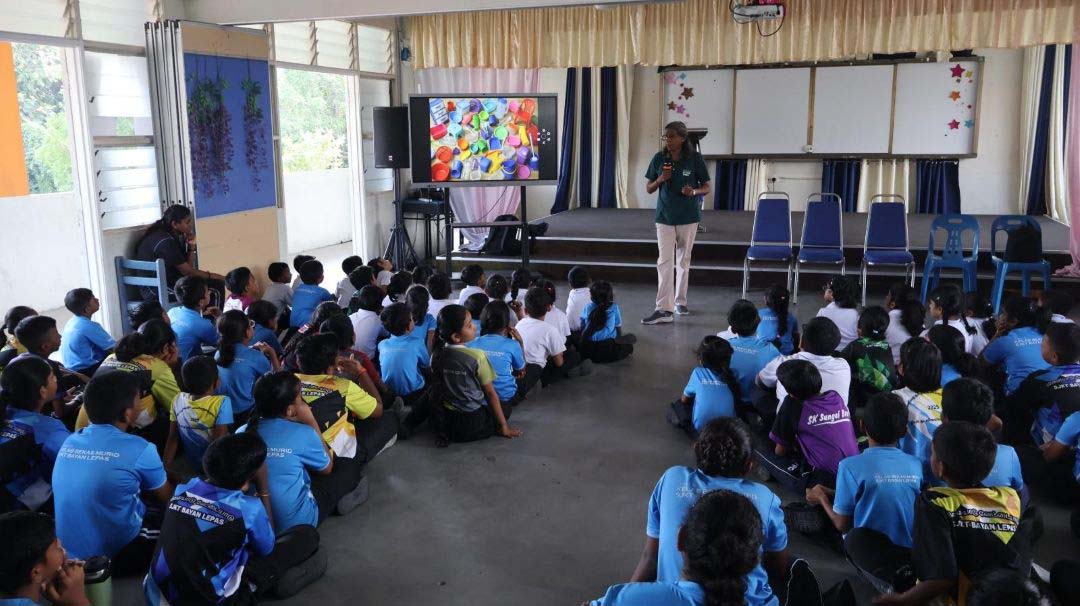
Build a Circular Economy

A healthy economy shouldn’t create overflowing waste. When things are made to be used once and thrown away, the problem does not end in the trash bin. It moves into landfills, waterways, soil, and the air. It also means more raw materials have to be taken, processed, shipped, and replaced again. A circular economy looks at waste differently. It keeps materials in use for longer through repair,...
Read More

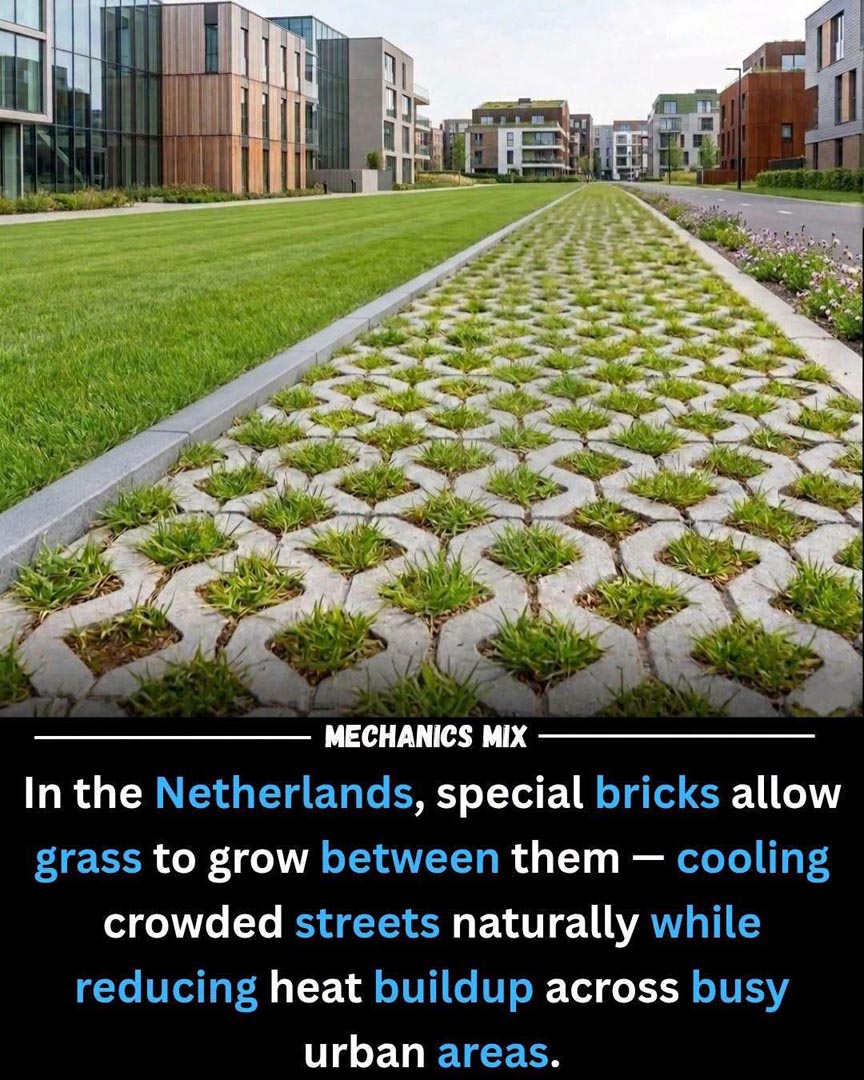
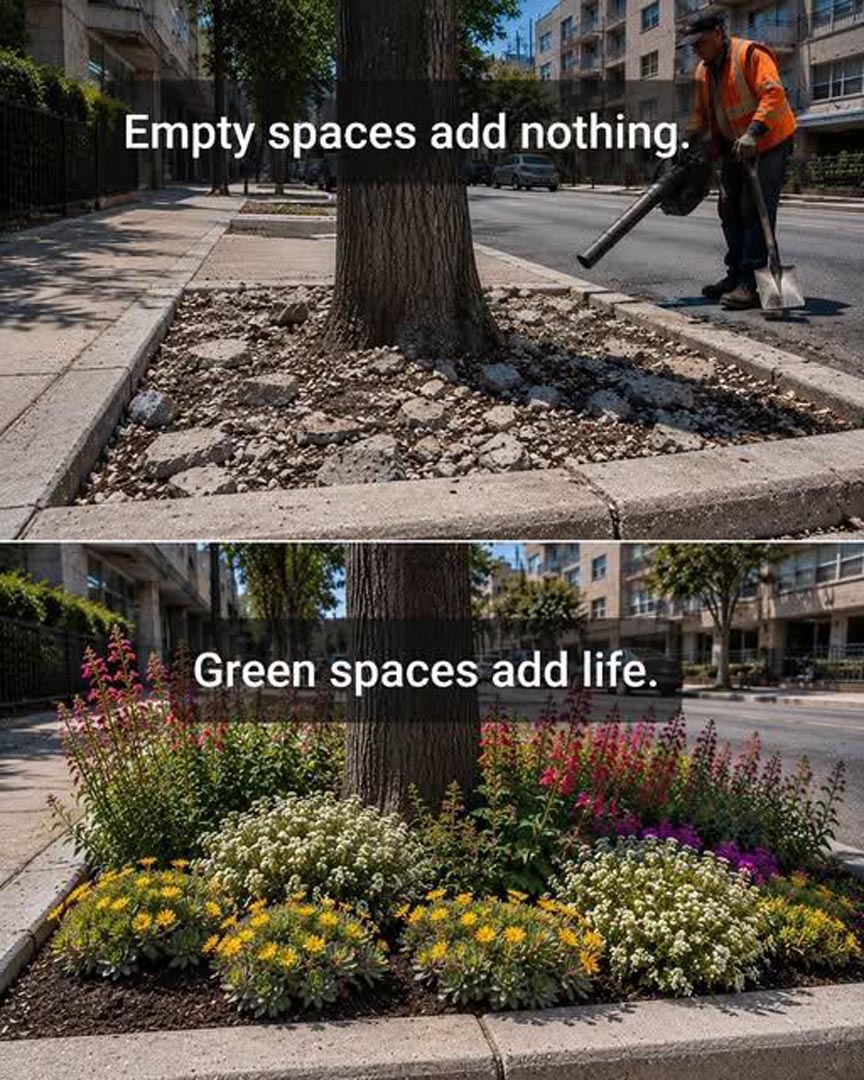
Plant a Tree, Beat the Heat

Ever notice how the temperature drops 10 degrees the second you walk under a big tree? That’s not a coincidence. That’s nature doing the job we keep trying to replace with asphalt and parking lots. We’ve turned our cities into heat islands by removing the very things designed to cool them down. The solution isn't some high-tech miracle — it's right outside. Plant a tree. Restore the...
Read More

Ghost Nets Persist as a Serious Threat to Marine Biodiversity in Malaysian Waters

Ghost fishing nets are rapidly emerging as one of the most destructive yet overlooked threats to Malaysia’s marine ecosystem. These abandoned nets left drifting or entangled beneath the surface are the direct result of irresponsible fishing practices. As highlighted in recent news, the persistence of such behaviour raises serious concern as to whether it stems from a lack of awareness or a...
Read More

WORLD ENVIRONMENT DAY 2026: PROTECTING WILDLIFE AND NATURE FOR A CLIMATE-RESILIENT FUTURE

As the world marks World Environment Day on Friday, 5 June 2026, the Consumers’ Association of Penang (CAP) joins the international community in recognising the urgent need for stronger environmental protection, climate action, and sustainable development.   Hosted this year by the Republic of Azerbaijan in Baku, the theme “Inspired by Nature. For  Climate. For Our Future.” reflects the...
Read More

AI is Threatening Natural Resources for Billions, UN Scientists Warn

A new United Nations report warns that the rapid growth of artificial intelligence could place huge pressure on the planet's resources. AI data centres may consume water needed by 1.3 billion people by 2030, the report says. Unless governments heed the rising environmental costs of AI, the rapid rollout could also strain scarce land resources and create mountains of electronic waste, the report...
Read More

Starbucks Plastic Cups Marked Recyclable End Up in Trash, says Environmental Group

Starbucks’ plastic single-use cups it often serves in US cafes are not as recyclable as the company claims, an environmental nonprofit group says. Starbucks had in February announced that its polypropylene cold-beverage cups were considered "widely recyclable" in the US. The cups prominently feature a recycling icon and are depicted as recyclable on in-store recycling bins. But new findings...
Read More

A Stronger Sustainable Finance Taxonomy is Needed for Our Forests, Biodiversity and Community Rights

The recent effort to update the Malaysia Taxonomy for Sustainable Finance, a classification system for projects based on environmental and social criteria, falls short of adequately protecting forests, biodiversity and safeguarding the rights of indigenous peoples and local communities. Sahabat Alam Malaysia (SAM) took part in the public consultation on the draft Malaysia Taxonomy for...
Read More

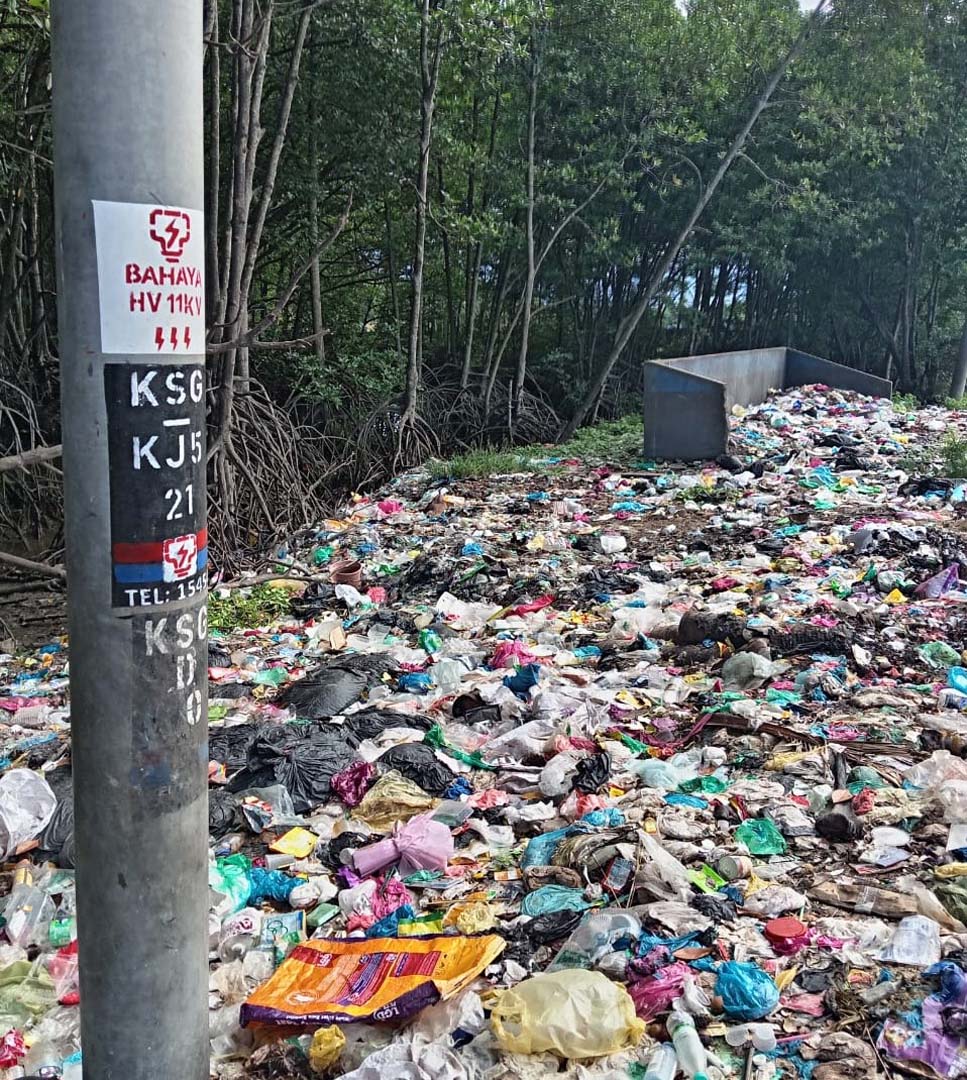
Humans Are Trashing The Planet

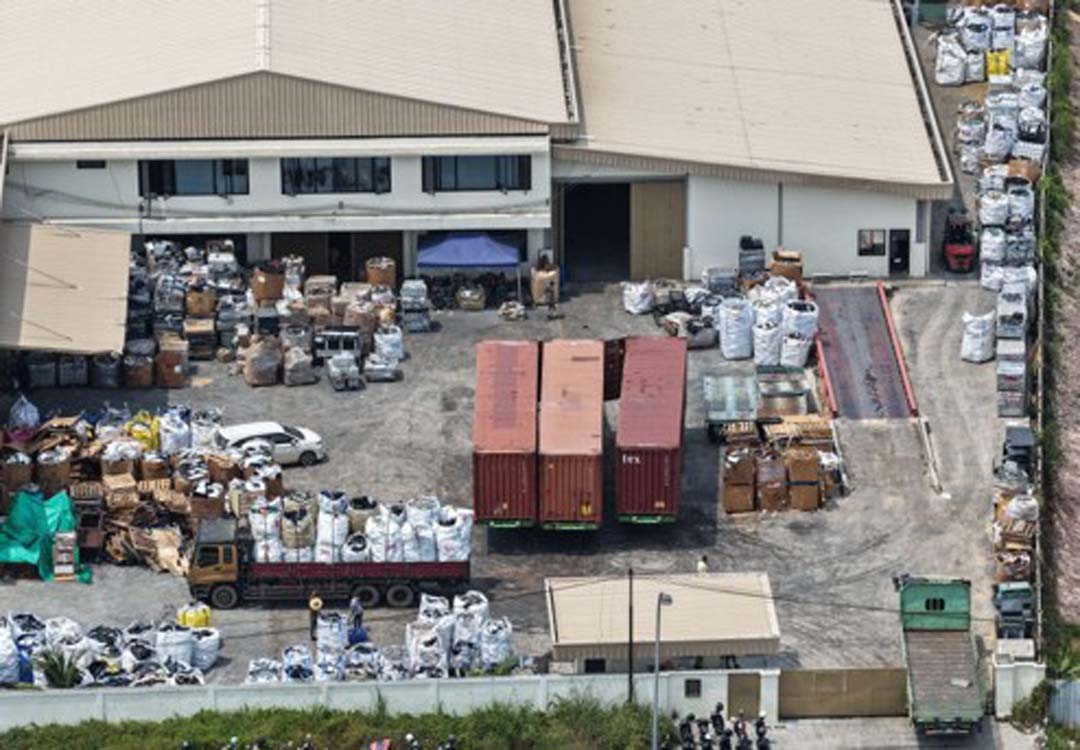
"Every year, humans produce 300 million tonnes of plastic waste, including 11 million tonnes that eventually wind up in the ocean. By 2050, there could be more plastic than fish in the ocean," warns the United Nations. Humanity has an enormous trash problem. According to reports, we produce 2 billion tons of trash a year. Nature produces zero. In the natural world, waste doesn’t exist. When a...
Read More

Set Clear Rules on “Forever Chemicals”

With chemical contamination becoming a serious concern, groups have urged the government to set clear safety guidelines on what are known commonly as “forever chemicals”. These chemicals, or PFAS (per- and polyfluoroalkyl substances), are a group of over 10,000 synthetic, human-made chemicals used since the 1940s to make products water, grease and stain-resistant. The chemicals do not break...
Read More

WHY GROW TREES?

Trees are very important to our lives. To be without trees is like to be without our roots, writes environmental writer Richard Mabey. Much like roots are to a tree, trees are the fundamental anchor, foundation, and source of life for humanity. Trees bring us many benefits, among them are providing us with more rain, more shade - and more life. MORE RAIN. Trees suck water from the soil through...
Read More