No products in the cart.

Category: Food EN

Unreviewed Food Additives and Malaysia’s Imported Food Risk

The Consumers’ Association of Penang is concerned by a recent analysis by the Environmental Working Group (EWG), which highlights a structural weakness in the United States food regulatory system: more than 100 food-related chemicals entered the market without formal review by the U.S. Food and Drug Administration (FDA), the national regulator. These substances were introduced under the...
Read More

FOOD FRAUD in Malaysia: A Persistent Threat

Increase Product Testing & Have Stricter Enforcement – CAP Food fraud – from fake honey to mislabelled supplements and dubious halal claims – continues to infiltrate Malaysia’s market, raising concerns over public health and eroding consumer trust. Adulterated and mislabelled food products remain a persistent threat, with enforcement gaps allowing questionable items to slip through....
Read More

Glyphosate Found in South Africa’s Staple Foods

National Ban Demanded after Shocking New Test Results Glyphosate and its toxic metabolite, aminomethylphosphonic acid (AMPA), have been detected in staple foods consumed daily by millions of South Africans. New laboratory results show glyphosate contamination in maize meal, wheat flour, bread, and baby cereal, with two products exceeding the legal default limit. The African Centre for...
Read More

PLASTIC-PACKAGED READY MEALS: Hidden Health Risks

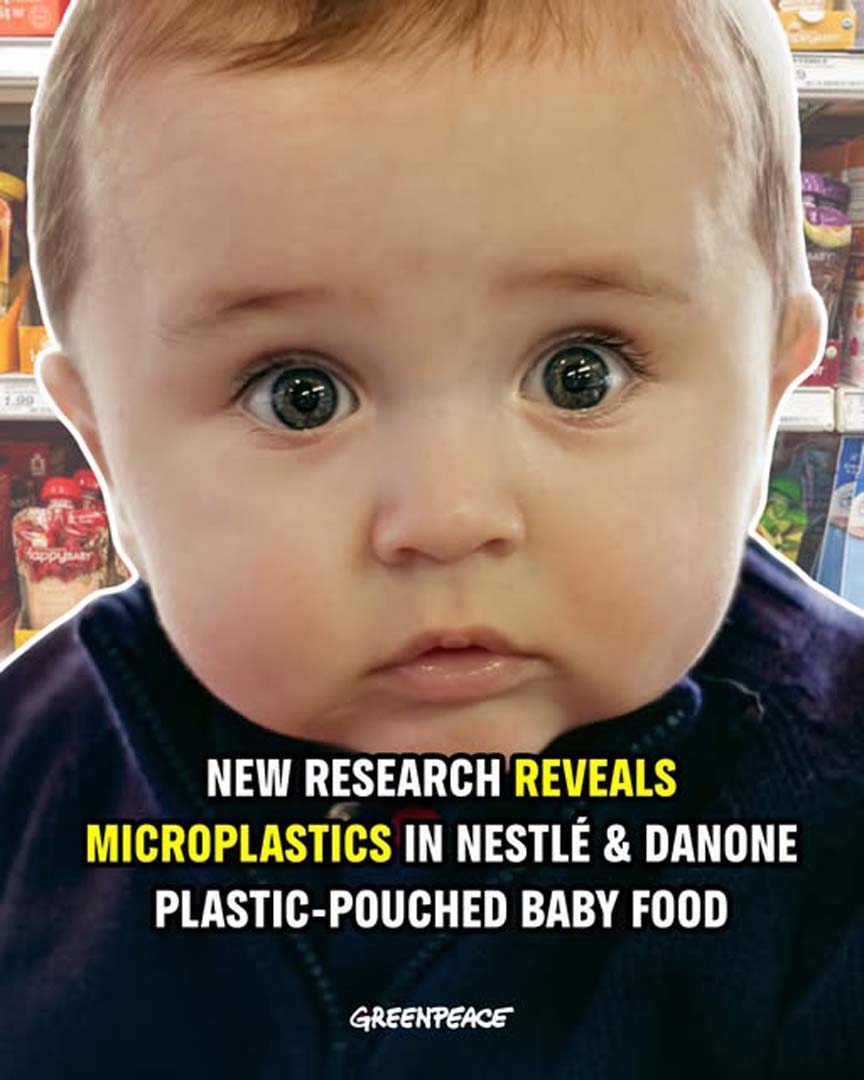
We live busy lives. Many people rely on the convenience of reheating plastic-packed ready meals or hot takeaways in plastic trays. But there could be a hidden cost behind this convenience – a potentially dangerous dose of microplastics and chemical additives. Greenpeace International analysed 24 articles in peer-reviewed scientific journals and found that the plastics we use to package our...
Read More

CAP Calls for Ban on Glyphosate in Malaysia

The Consumers’ Association of Penang (CAP) submitted a memorandum on 14th January 2026 to the Prime Minister, Ministry of Agriculture and Food Security, Ministry of Natural Resources and Environmental Sustainability, Department of Biosafety Malaysia, and members of the Pesticides Board, urgently calling for a ban on glyphosate and glyphosate-based herbicides in Malaysia. This submission is not...
Read More

DIABETES IN A CAN

According to a 2013 study in Diabetologia, drinking just 1 can (12 oz or 336 ml) a day of sugar-sweetened soft drinks may increase the risk of developing Type 2 diabetes by 22%. This increase was not found for either fruit juices or artificially sweetened soft drinks. A 2010 study in Diabetes Care reported that people who consume sugary drinks regularly – 1-2 cans a day or more – have a 26%...
Read More

Soft Drinks Can Harm Your Liver

Most people worry about alcohol damaging the liver – but according to scientists in China, excessive soda (i.e, soft drinks or fizzy drinks) consumption can be just as harmful… maybe even worse. Both regular and diet sodas significantly raise your risk of liver disease, says a new large-scale Chinese study. Scientists linked them to increased risk of metabolic dysfunction-associated...
Read More

Nestle Issues Global Recall of Some Baby Formula Products Over Toxin Fears

Nestle has issued a global recall of some baby formula products over concerns they contain a toxin which can cause food poisoning. The food and drink giant said specific batches of its SMA infant formula and follow-on formula were not safe to be fed to babies. The batches were sold across the world, Nestle said, and they potentially contain cereulide, which can trigger nausea and vomiting when...
Read More

FEED PEOPLE, NOT LANDFILLS

…. but First, Don’t Buy and Stock Up More than is Needed Today, far from celebrating food, many of us have adopted wasteful habits. One-fifth of food produced for human consumption is lost or wasted globally. This amounts to 1 billion meals a day. Globally, about 79 kg of food is wasted per person annually. The top priority for addressing wasted food is source reduction: businesses and...
Read More