No products in the cart.

Category: Food EN

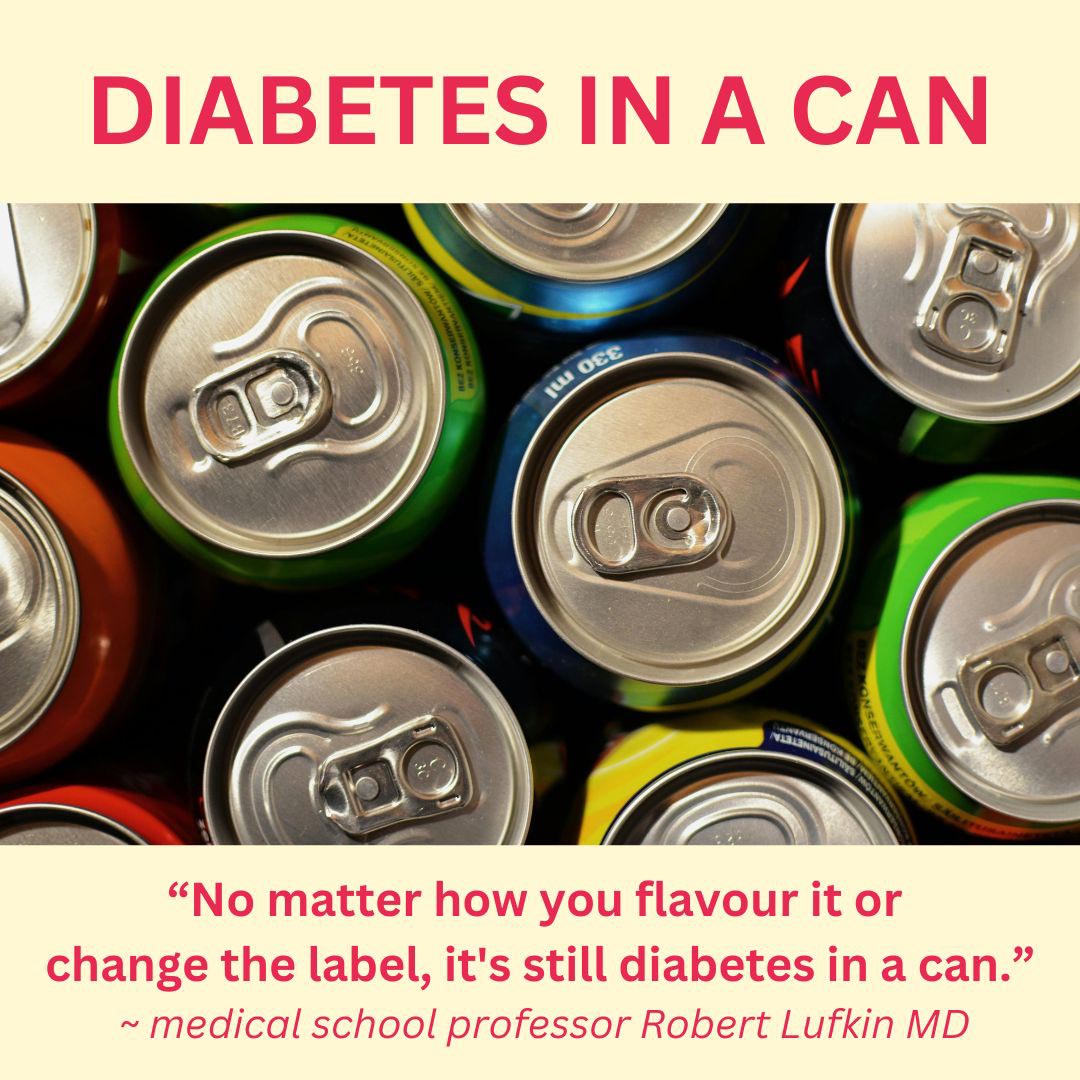
DIABETES IN A CAN

According to a 2013 study in Diabetologia, drinking just 1 can (12 oz or 336 ml) a day of sugar-sweetened soft drinks may increase the risk of developing Type 2 diabetes by 22%. This increase was not found for either fruit juices or artificially sweetened soft drinks. A 2010 study in Diabetes Care reported that people who consume sugary drinks regularly – 1-2 cans a day or more – have a 26%...
Read More

Soft Drinks Can Harm Your Liver

Most people worry about alcohol damaging the liver – but according to scientists in China, excessive soda (i.e, soft drinks or fizzy drinks) consumption can be just as harmful… maybe even worse. Both regular and diet sodas significantly raise your risk of liver disease, says a new large-scale Chinese study. Scientists linked them to increased risk of metabolic dysfunction-associated...
Read More

Nestle Issues Global Recall of Some Baby Formula Products Over Toxin Fears

Nestle has issued a global recall of some baby formula products over concerns they contain a toxin which can cause food poisoning. The food and drink giant said specific batches of its SMA infant formula and follow-on formula were not safe to be fed to babies. The batches were sold across the world, Nestle said, and they potentially contain cereulide, which can trigger nausea and vomiting when...
Read More

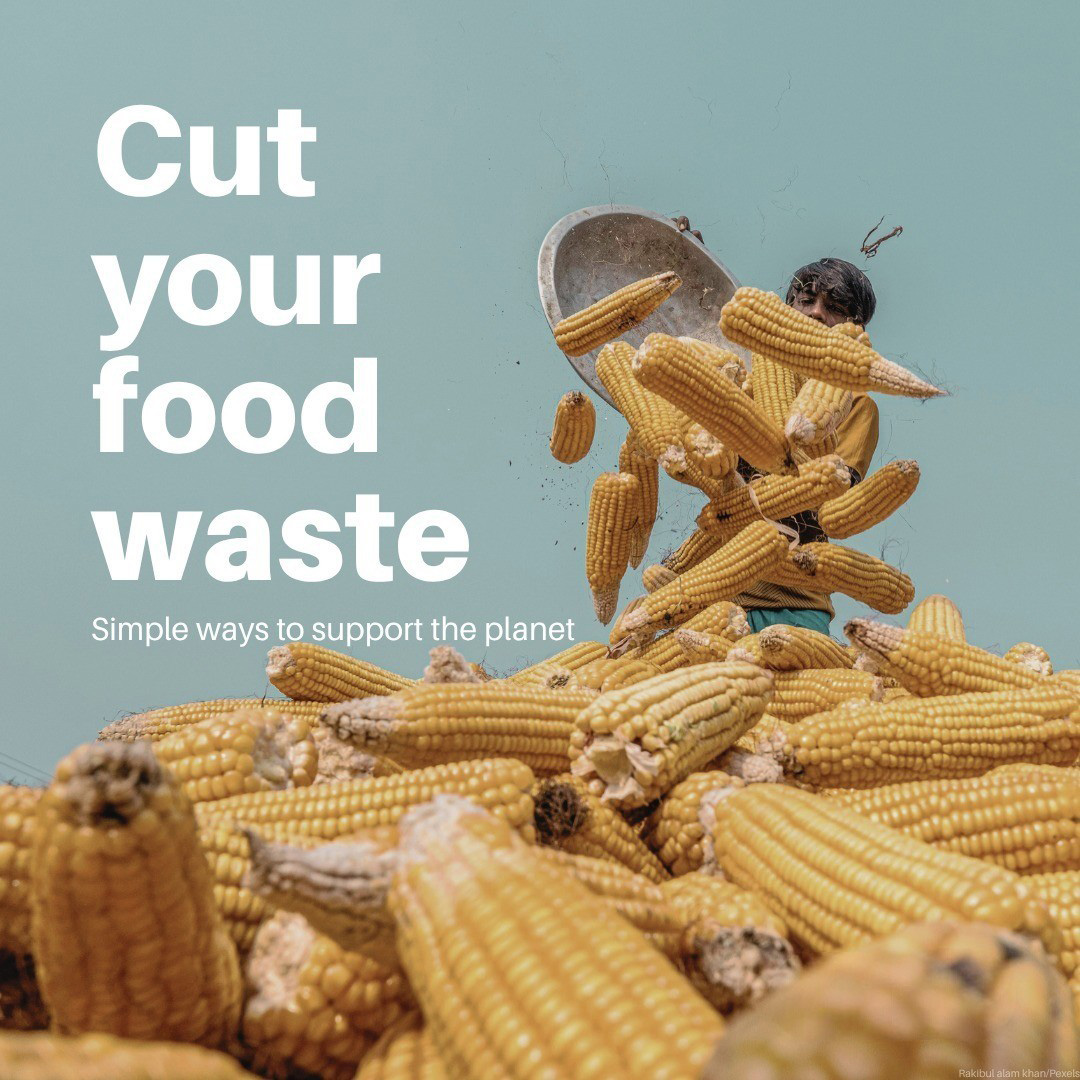
FEED PEOPLE, NOT LANDFILLS

…. but First, Don’t Buy and Stock Up More than is Needed Today, far from celebrating food, many of us have adopted wasteful habits. One-fifth of food produced for human consumption is lost or wasted globally. This amounts to 1 billion meals a day. Globally, about 79 kg of food is wasted per person annually. The top priority for addressing wasted food is source reduction: businesses and...
Read More

AVOID TRANS FATS IN FOOD

Trans fats are commonly found in margarines, vegetable shortening, baked and fried foods and pre-packaged snacks. A recent WHO study found that every 2% increase in energy intake from trans fats significantly raises the risk of: heart disease by 25% death from any cause by 14% Source: World Health Organization (WHO)  
Read More

BROCCOLI: Nutritious Flower Buds

Did you know that when you eat broccoli, you are eating the plant’s flower buds? Broccoli belongs to the cabbage family and the green part we eat isn’t the stem or leaves, but unopened flower buds. If left to grow longer, those little green clusters would bloom into bright yellow flowers. Broccoli is harvested before it blossoms, making it one of nature’s most nutritious “flowers”....
Read More

SHARING SURPLUS FOOD

A Simple Act that Prevents Food Waste In Norway, there was a heartwarming instance where a resident, Inger Garås from Mjøndalen, hung over 200 bags of surplus apples on her fence for passersby to take. Her apple trees had produced far more fruit than she could consume, and rather than letting it rot, she decided to share it with the community. This act of generosity quickly gained attention...
Read More

HOW TO REDUCE FOOD WASTE AT HOME

Do you know: Over 800 million people are currently suffering from malnutrition, a disturbing thought when one-third of the food that is intended for human consumption is wasted or lost. Statistics indicate that 1.3 billion tonnes of food are wasted globally each year. The staggering amount of food wasted could feed approximately 3 billion people. Food waste is contributed by households,...
Read More

New Food Safety Concerns

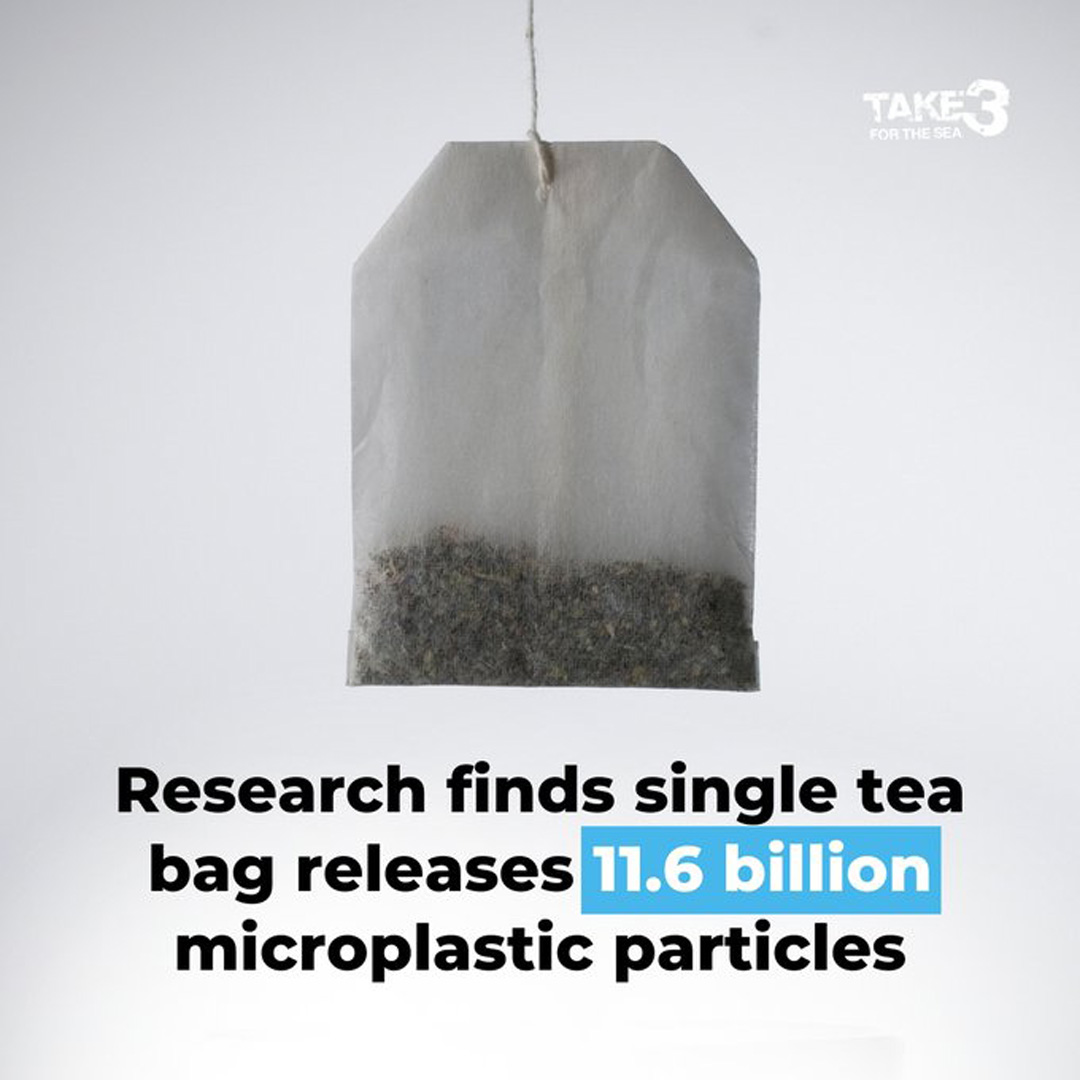
PLASTICS FOUND INSIDE VEGETABLE TISSUES Plastic pollution is not only a problem for oceans and wildlife. It may also be affecting the very food we eat. A new study highlights how nanoplastics can penetrate crops, raising questions about food safety and human health. Researchers have now shown that some of the smallest plastic particles can move into edible vegetable tissues. Using radishes as...
Read More