No products in the cart.

Category: Tips EN

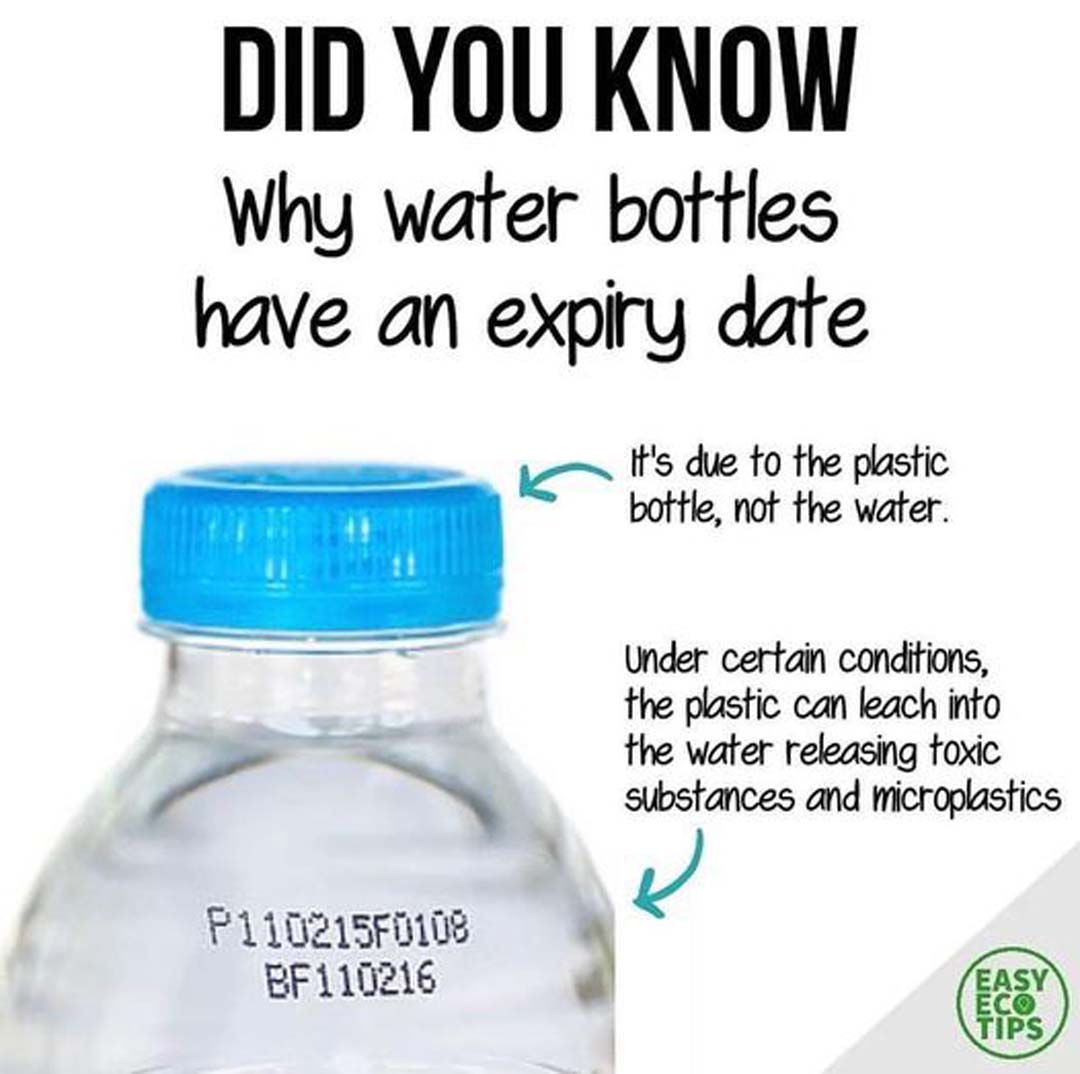
Why Plastic Bottled Water Has An Expiry Date

Ever noticed that plastic bottled drinking water carries an expiry date? Pure water does not go bad. Why state a shelf life, you may wonder. Here’s what you should know. The expiration date on bottled water is mainly about the plastic bottle, not the water itself. Over time the plastic can slowly break down and allow small amounts of chemicals to leach into the water. This is especially so...
Read More

BEWARE OF AI SCAMS

AI scams are becoming more realistic. Criminals are now using Artificial Intelligence (AI) to mimic the voices of bosses, family members, or close friends to trick victims into making immediate money transfers. Don’t get caught. Common modus operandi: AI voice cloning – voices are copied to ask for money or PINs Fake emergency calls – claims of accidents or urgent problems Immediate...
Read More

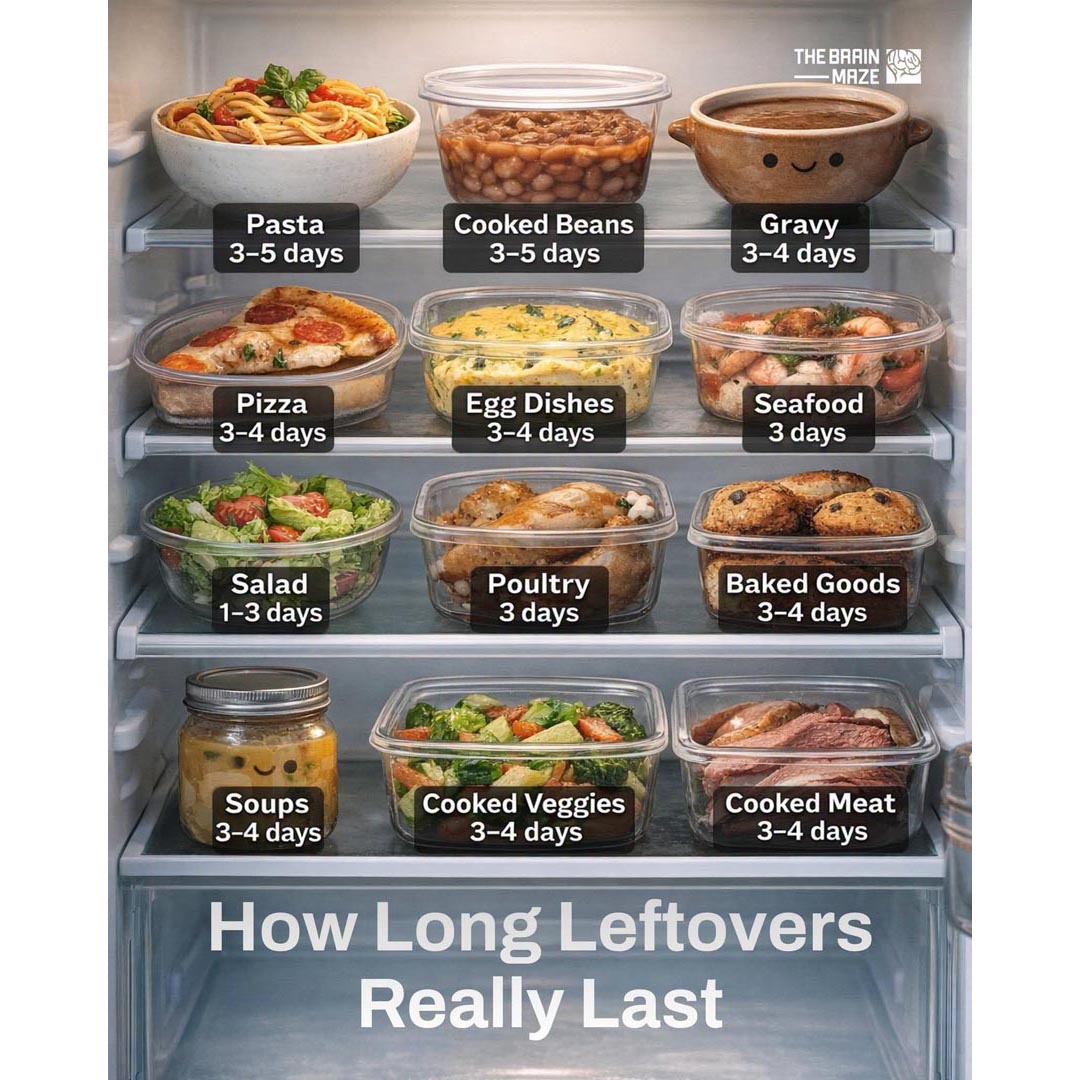
How Long To Keep Leftovers

Knowing how long leftovers last can help prevent foodborne illness and reduce waste. Most cooked foods are safe to eat for about 3-4 days when stored properly in the fridge, but this can vary depending on the type of food and how it’s handled. Always store leftovers within 2 hours, keep your fridge at or below 40°F (4°C), and when in doubt, throw it out. Source: The Brain Maze  
Read More

The Correct Way to Use Kitchen Scraps in Your Garden

Kitchen scraps are useful in the garden, but the method matters as much as the material. The same ingredient that improves your soil used correctly can compact it or alter its pH dramatically if applied carelessly. EGGSHELLS. Whole eggshells break down over several years and release almost no calcium in the meantime. Crushed to a fine powder in a pestle and mortar or a blender, they become...
Read More

Food Safety Tips for the Festive Season

Celebrations involve food. Keep these food safety tips in mind when you enjoy the festivities. Store meat in the fridge until cooking time. Wash fruits and vegetables with clean water. Do not wash raw meat, as this can spread harmful microorganisms to hands, surfaces, utensils, or other food. Separate raw and cooked food and use separate utensils and cutting boards for raw meat. Cook food,...
Read More

REDUCE PLASTIC USE

Reducing plastic use protects ecosystems, safeguards human health, and ensures a sustainable future for all. Small wins add up. Here are a few plastic-free tips to try. Bring your own plastic-free reusable cup for drinks on the go. Bring your own metal fork from home so that you can skip plastic utensils. Say no to receipts (they contain BPA, a toxic industrial chemical used in plastic...
Read More

SHOP MINDFULLY – Avoid Plastic Packaging, Eliminate Plastic Pollution

The end of the year holiday and festive season is just around the corner and many of you will be shopping for gifts for yourselves and your loved ones. Before you buy, remember this: Most products today are made of toxic, polluting plastic. Let’s shop mindfully and say no to overconsumption this season. The Plastic Pollution Coalition, a global alliance of individuals and institutions...
Read More

Dressing for Comfort

THE COLOUR OF YOUR CLOTHES MATTER When it comes to staying comfortable in hot weather, the colour of your clothes plays a crucial role. The science behind this lies in how different colours absorb or reflect sunlight. Light-coloured clothing, such as white, beige, or pastels, reflects most of the sun's rays. This means less heat is absorbed by your clothes, helping to keep your body cooler...
Read More

A Natural Way to Clean Tile Floors

Want floor tiles that are clean, fresh, and slightly glossy? Here’s an old-school mop water solution, using simple ingredients, you can make to use for cleaning. What you will need, and how to prepare: Add lemon peels to hot water – this infuses fresh scent and provides gentle acidity. Stir in a spoon of baking soda – it neutralises odours and boosts cleaning action. Pour a dash of vinegar...
Read More