No products in the cart.

Month: January 2026

The world has entered a new era of ‘water bankruptcy’ with irreversible consequences

The world has entered “an era of global water bankruptcy” with irreversible consequences, according to a new United Nations report. Regions across the world are afflicted by severe water problems: Kabul may be on course to be the first modern city to run out of water. Mexico City is sinking at a rate of around 20 inches a year as the vast aquifer beneath its streets is over-pumped. In...
Read More

CAP’s Organic Waste Management Programme in School

Venue: SJKC Chong Teik, Balik Pulau, Penang Date: 21 January 2026 Approximately 120 students from Standards 4, 5 and 6 of SJKC Chong Teik participated in an Organic Waste Management workshop that included interactive activities and demonstrations. The session began with an activity designed to help students identify various plant species found within the school compound. A chilli plant was...
Read More

YOUR TATTOO COULD BE FILLED with TOXIC METALS

Tattoos have become more common today. Trend reporting from industry and lifestyle sources suggests designs are becoming increasingly large, colourful and complex. But less attention has been paid to what’s in the inks being injected into people’s skin. In a study published on January 19 in the Journal of Hazardous Materials, researchers analysed tattoo inks available in Australia and found...
Read More

PLASTIC – A Threat to All Animals

All creatures deserve to live in a world free from plastic pollution and its impacts. Plastic can be found all throughout nature, from the oceans to fresh waterways, to soils, air, and even outer space. Plastic contains harmful chemicals and never benignly degrades. Instead it breaks down into smaller fragments called microplastics and nanoplastics. Many wild animals mistake plastic for food,...
Read More

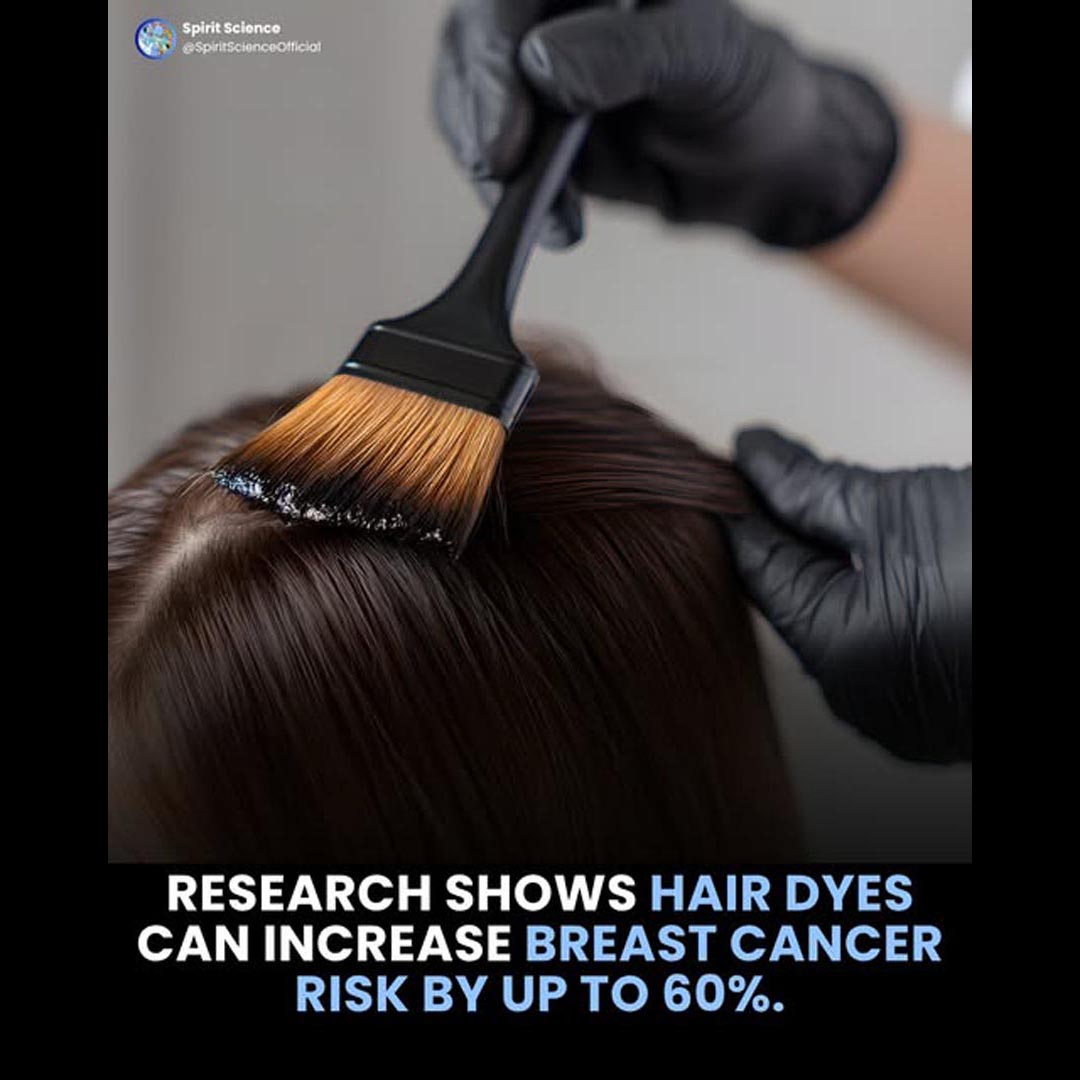
Frequent Hair Dye Use Can Increase Breast Cancer Risk

For centuries, human beings have altered their appearance to reflect identity, culture, or creativity. From ancient henna to modern hair dyes, we’ve sought ways to express who we are. Yet science is revealing that some of these practices may come with risks we cannot ignore – such as the increased likelihood of developing breast cancer linked to certain chemical dyes. A large US study led by...
Read More

‘Not rocket science’: Why Malaysia groups are again pushing to ban asbestos in construction work

Asbestos is a group of naturally occurring minerals resistant to fire and water, and is commonly found in older buildings and homes including in Malaysia. But it is also known to cause cancer. Several groups in Malaysia, including a workers’ union and a consumer watchdog, are again pushing for a full ban on asbestos, a material used in construction known to cause cancer. But industry players...
Read More

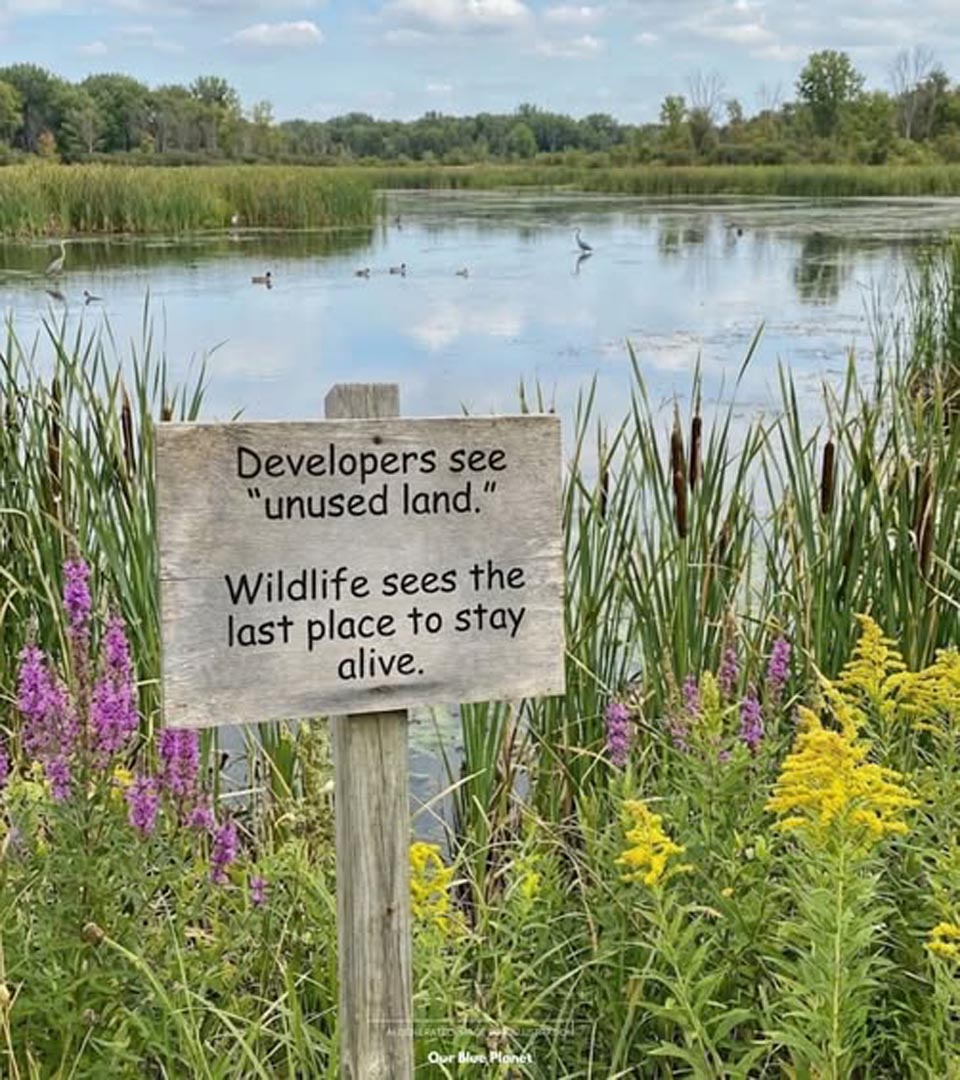
PROTECT WILDLIFE HABITATS

What some call “unused land” is often the last safe refuge for countless lives. Wetlands like this are not empty spaces waiting to be filled. They are nurseries for birds, filters for our water, buffers against floods, and homes that wildlife cannot replace once they are gone. When these places disappear, species do not simply move somewhere else. Many vanish quietly, one habitat at a time....
Read More

SAFE STREETS SAVE LIVES

More than 1.2 million people die on roads around the world every year. That is equivalent to roughly one person dying every 30 seconds, or over 3,400 people dying every single day of the year. Many of these deaths occur on urban roads and are preventable crashes caused by behaviour induced by street design. According to the World Health Organization, tens of millions of people are also injured...
Read More

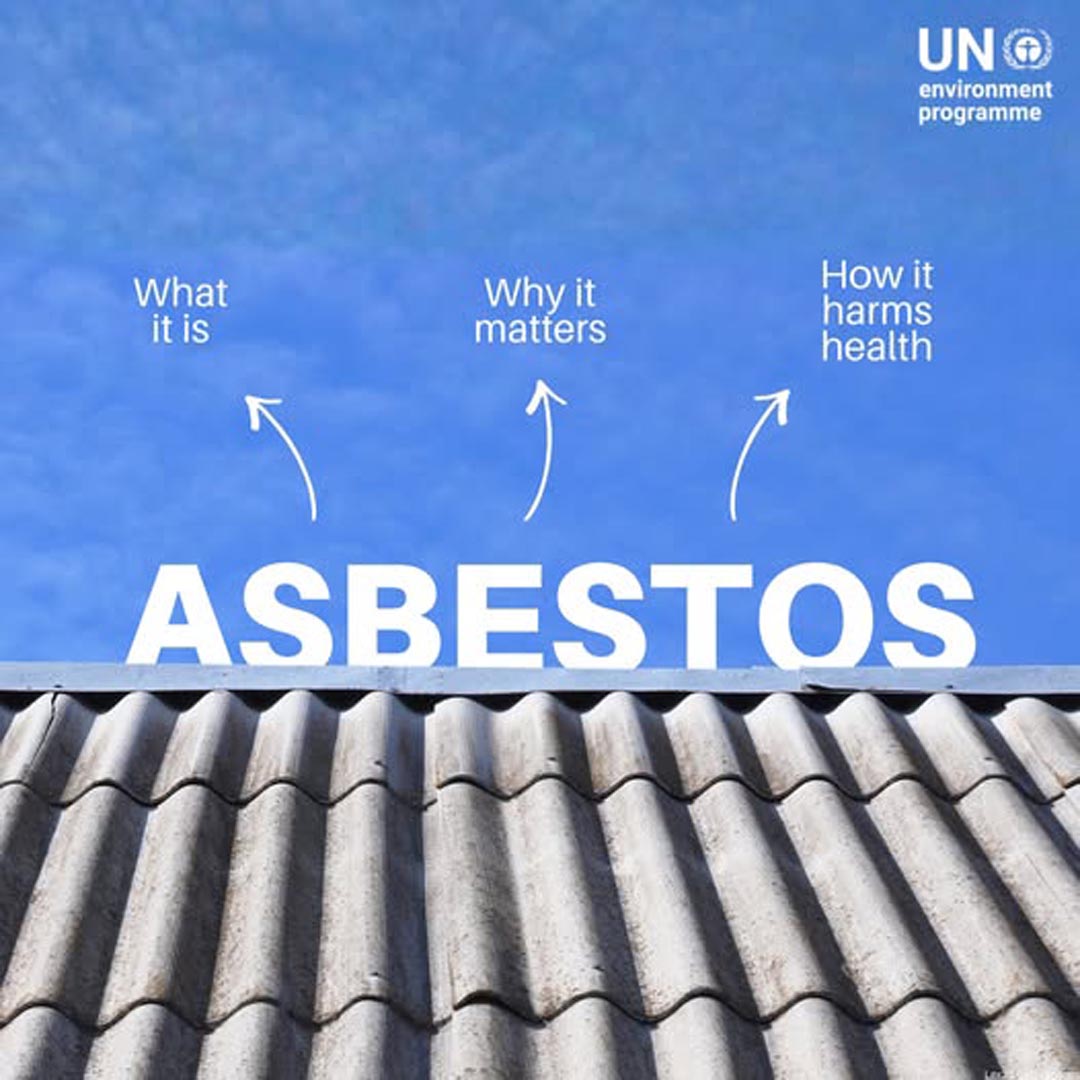
ASBESTOS – A Very Toxic and Harmful Mineral

Asbestos is a group of mineral fibres with widespread current and historical commercial uses. Once widely used for its heat resistance and durability, asbestos is now known to cause serious diseases, including lung cancer and mesothelioma. Asbestos’ unique properties – resistance to heat and fire, insulation capability, chemical inertness and strength – led to its widespread use for...
Read More