No products in the cart.

Category: Environment EN

Starbucks Plastic Cups Marked Recyclable End Up in Trash, says Environmental Group

Starbucks’ plastic single-use cups it often serves in US cafes are not as recyclable as the company claims, an environmental nonprofit group says. Starbucks had in February announced that its polypropylene cold-beverage cups were considered "widely recyclable" in the US. The cups prominently feature a recycling icon and are depicted as recyclable on in-store recycling bins. But new findings...
Read More

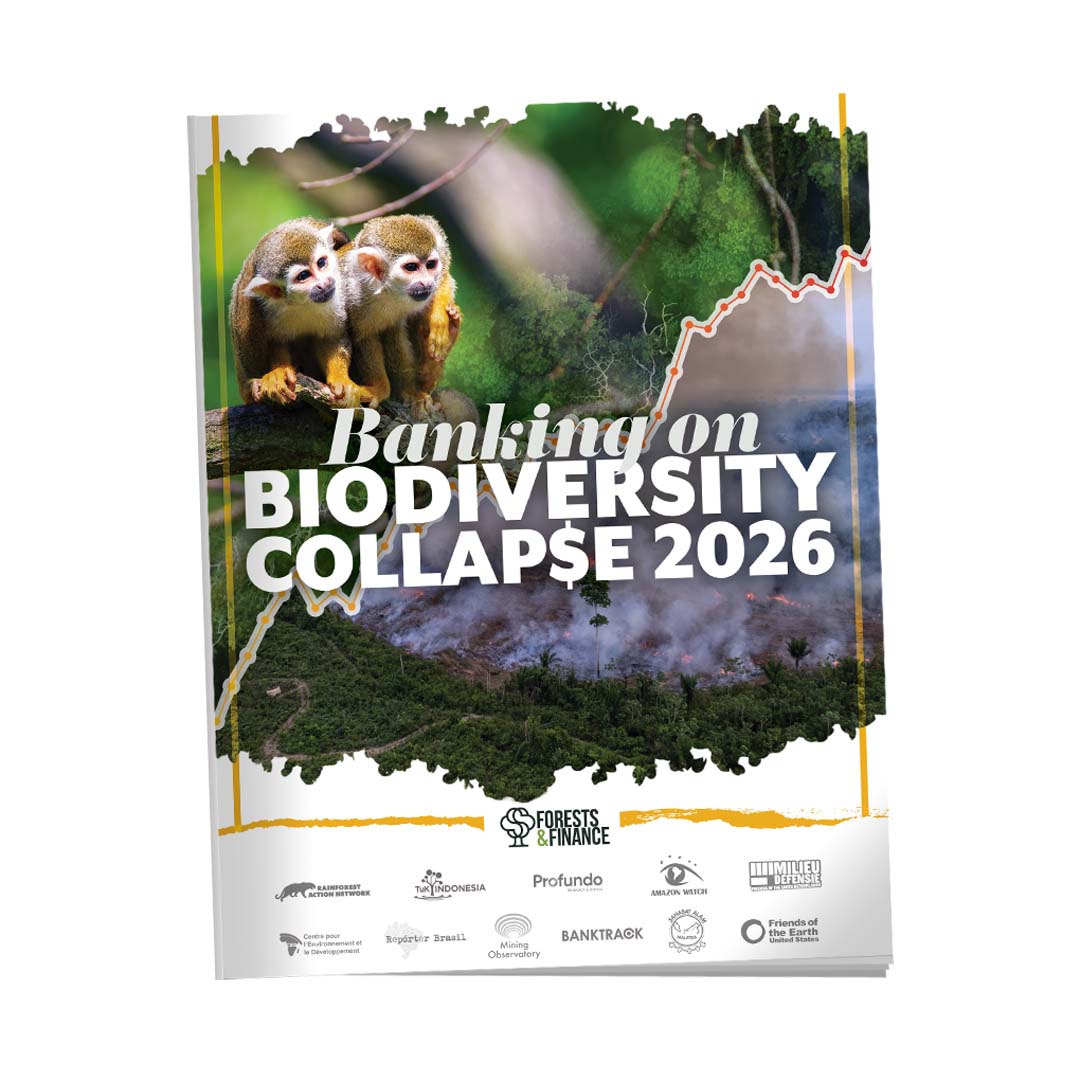
A Stronger Sustainable Finance Taxonomy is Needed for Our Forests, Biodiversity and Community Rights

The recent effort to update the Malaysia Taxonomy for Sustainable Finance, a classification system for projects based on environmental and social criteria, falls short of adequately protecting forests, biodiversity and safeguarding the rights of indigenous peoples and local communities. Sahabat Alam Malaysia (SAM) took part in the public consultation on the draft Malaysia Taxonomy for...
Read More

Humans Are Trashing The Planet

"Every year, humans produce 300 million tonnes of plastic waste, including 11 million tonnes that eventually wind up in the ocean. By 2050, there could be more plastic than fish in the ocean," warns the United Nations. Humanity has an enormous trash problem. According to reports, we produce 2 billion tons of trash a year. Nature produces zero. In the natural world, waste doesn’t exist. When a...
Read More

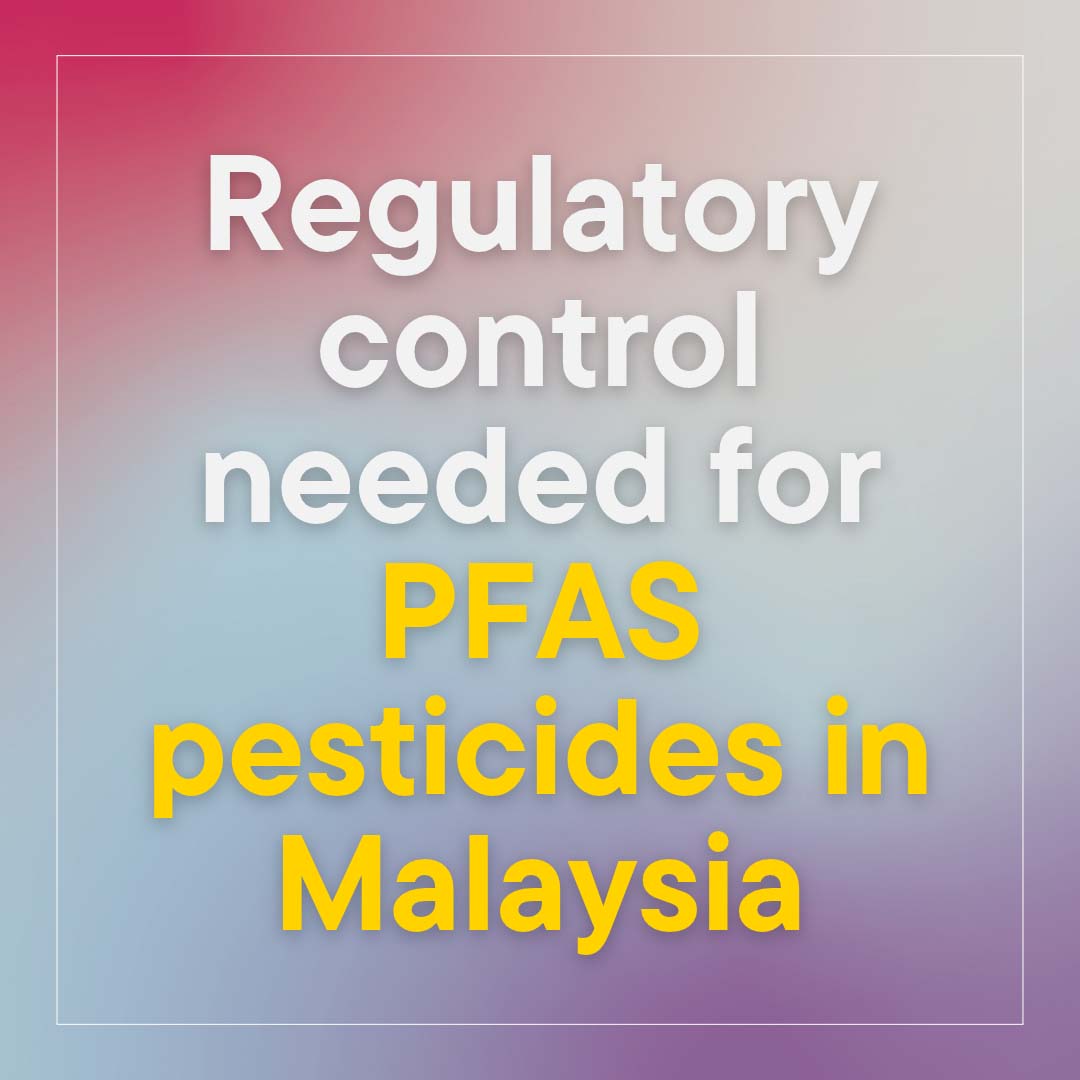
Set Clear Rules on “Forever Chemicals”

With chemical contamination becoming a serious concern, groups have urged the government to set clear safety guidelines on what are known commonly as “forever chemicals”. These chemicals, or PFAS (per- and polyfluoroalkyl substances), are a group of over 10,000 synthetic, human-made chemicals used since the 1940s to make products water, grease and stain-resistant. The chemicals do not break...
Read More

WHY GROW TREES?

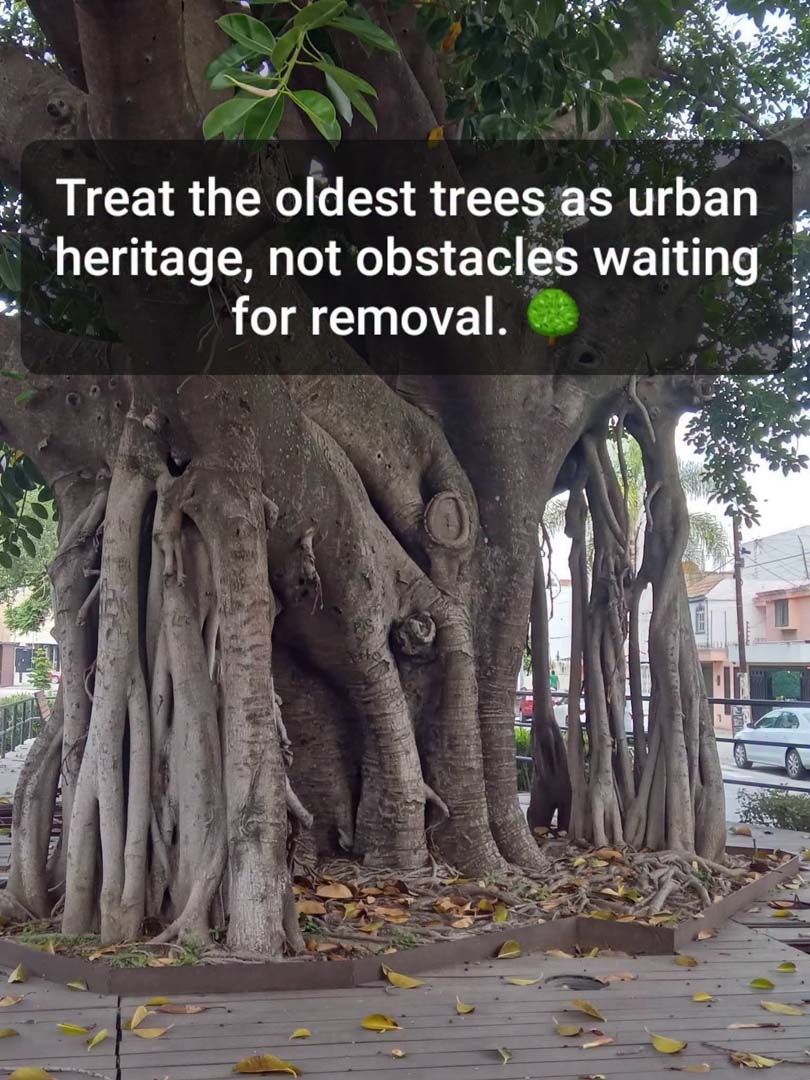
Trees are very important to our lives. To be without trees is like to be without our roots, writes environmental writer Richard Mabey. Much like roots are to a tree, trees are the fundamental anchor, foundation, and source of life for humanity. Trees bring us many benefits, among them are providing us with more rain, more shade - and more life. MORE RAIN. Trees suck water from the soil through...
Read More

EXIT ISDS: Over 300 Groups Around the World Call on Countries to Start Freeing Themselves from Secretive Tribunals

Investor-state dispute settlement (ISDS) threatens a just transition from fossil fuels and the urgent need for a social and ecological transformation for people and the planet. Over 300 organisations – including Consumers Association of Penang and Sahabat Alam Malaysia – are calling on countries to begin building a coalition of countries committed to freeing themselves from ISDS. Read their...
Read More

LET’S BUILD SMARTER

How Buildings Contribute to Climate Change – and What Can Be Done about it The building and construction industry is a big emitter of planet-warming greenhouse gases, according to the latest UNEP and Global Alliance for Buildings and Construction report. The amount of building floor space is expected to double by 2050, with many of the additions coming in developing and emerging economies....
Read More

Daily Plastic Use a Factor in Malaysia’s Microplastics Crisis

Malaysia's growing microplastics crisis is largely self-inflicted, driven by domestic waste, weak recycling practices and everyday plastic use, said experts. Universiti Sains Malaysia marine scientist Professor Datuk Dr Aileen Tan said the issue was no longer a future risk, but an ongoing environmental crisis affecting marine ecosystems and seafood. "The key point is that we are not anticipating...
Read More

Malaysians Ingesting Up to 2,016 Microplastic Particles a Year through Fish

Malaysians are in danger of ingesting up to 2,016 microplastic particles a year through fish consumption, with higher exposure among coastal communities, said the Fisheries Department. Fish is a key pathway for human exposure to microplastics, particularly in countries with high seafood intake such as Malaysia, where they are an important source of protein. Fisheries Department director-general...
Read More

Rising Plastic Costs Demand an Urgent Shift Away from Single-Use Products and Plastic Packaging

The recent escalation in global oil prices, driven in part by ongoing geopolitical tensions in the West Asia, has contributed to an increase in the cost of plastic production. As most conventional plastics are derived from petroleum-based feedstocks, fluctuations in oil prices can significantly influence the cost of plastic packaging materials, which are widely used across the retail and food...
Read More