No products in the cart.

Year: 2026

REDUCE PLASTIC USE

Reducing plastic use protects ecosystems, safeguards human health, and ensures a sustainable future for all. Small wins add up. Here are a few plastic-free tips to try. Bring your own plastic-free reusable cup for drinks on the go. Bring your own metal fork from home so that you can skip plastic utensils. Say no to receipts (they contain BPA, a toxic industrial chemical used in plastic...
Read More

Call for Transparency in Malaysia’s Highway Concession Agreements

It has been almost forty years since Malaysia first introduced tolled roads as part of its national privatisation drive, and the Consumers’ Association of Penang (CAP) is now calling on the government to declassify highway concession agreements as a step towards greater transparency in decision making. The shift towards tolled highways was driven primarily by practical and fiscal...
Read More

Soft Drinks Can Harm Your Liver

Most people worry about alcohol damaging the liver – but according to scientists in China, excessive soda (i.e, soft drinks or fizzy drinks) consumption can be just as harmful… maybe even worse. Both regular and diet sodas significantly raise your risk of liver disease, says a new large-scale Chinese study. Scientists linked them to increased risk of metabolic dysfunction-associated...
Read More

The Blind Men and the Elephant

A Story about Perspective In a parable, six blind men were challenged to describe an elephant accurately. To add to the challenge, each man was taken to the elephant alone and allowed to touch only one area of the animal. When they were asked to describe the elephant they each have a completely different perspective. One blind man grabs the tusk and says, “An elephant is like a spear!”...
Read More

Cane Scammers, CAP Urges Malaysian Government

Malaysia should consider harsher punishments, including caning like Singapore’s recent law, to curb misuse of bank accounts and disrupt scam networks, say experts. Consumers’ Association of Penang (CAP) president Mohideen Abdul Kader urged Malaysia to consider emulating Singapore’s move to impose caning on scammers, arguing that even if the immediate impact is felt mainly by low-level...
Read More

HOW SMOKING KILLS

Every time you smoke a cigarette, toxic gases pass into your lungs, then into your bloodstream where they spread to every organ in your body. A cigarette is made using the tobacco leaf, which contains nicotine and a variety of other compounds. As the tobacco and compounds burn, they release thousands of dangerous chemicals, including over 40 known to cause cancer. Cigarette smoke contains the...
Read More

Nestle Issues Global Recall of Some Baby Formula Products Over Toxin Fears

Nestle has issued a global recall of some baby formula products over concerns they contain a toxin which can cause food poisoning. The food and drink giant said specific batches of its SMA infant formula and follow-on formula were not safe to be fed to babies. The batches were sold across the world, Nestle said, and they potentially contain cereulide, which can trigger nausea and vomiting when...
Read More

NATURE’S UMBRELLA

Trees provide shade and cool the environment. Their leaves and branches block sunlight, preventing it from directly reaching the ground and surrounding areas – just what we need on hot, sunny days. The shade created by trees can significantly reduce the temperature of the shaded area, making it a comfortable place to be on a hot day. Cities should have more shade trees. Cool cities grow where...
Read More

Malayan Tigers on the Brink – A National Crisis Demanding Urgent Action

The Consumers’ Association of Penang (CAP) expresses grave concern over the catastrophic decline of Malaysia’s tiger population. With fewer than 150 individuals left in the wild, the Malayan tiger is not simply endangered — it is on the verge of vanishing within our lifetime. Every tiger lost is more than the disappearance of a species; it is the loss of a symbol of strength, resilience,...
Read More

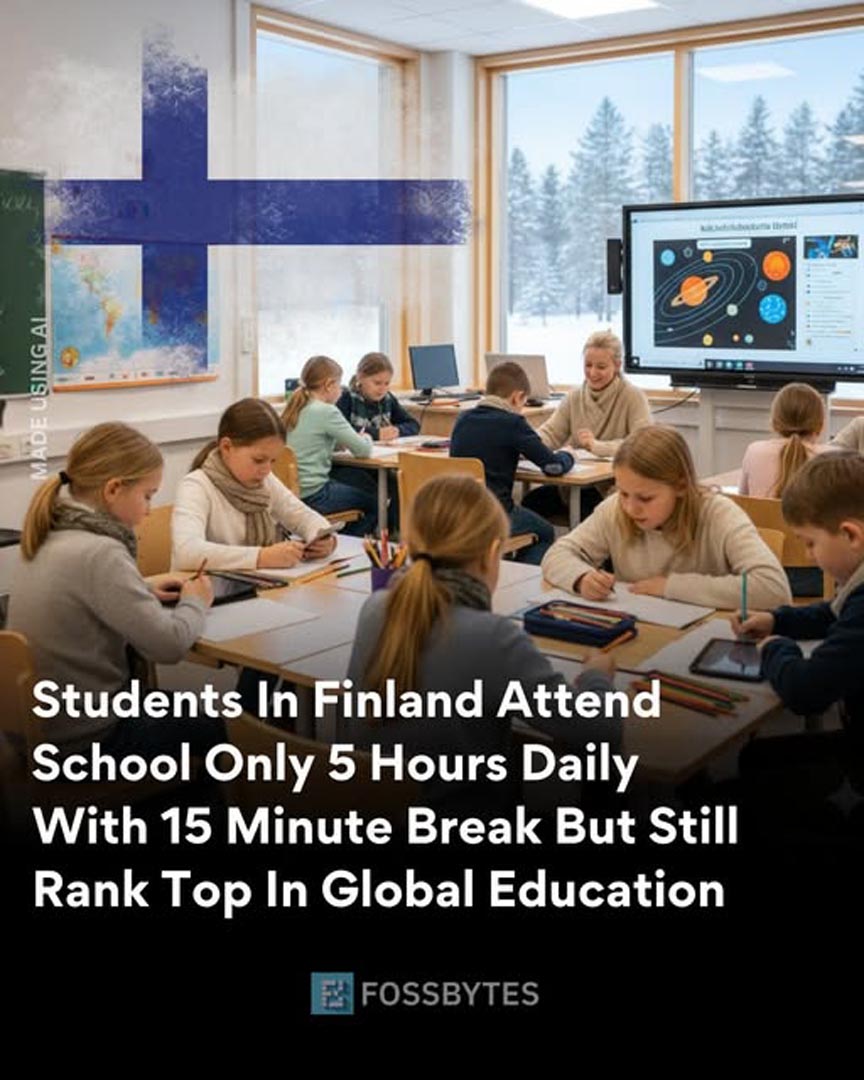
QUALITY EDUCATION

Where Schools are Not A Pressure Zone Smart learning beats long hours in Finland. While much of the world equates academic success with long hours, heavy homework, and relentless testing, Finland’s approach flows with balance, trust, and purpose. In Finland, children spend less time in school than in most countries – usually around 4–5 hours a day for younger grades. Children begin formal...
Read More