

CAP Calls for Stricter Regulation of Electronic Advertising Billboards to Prevent Road Accidents
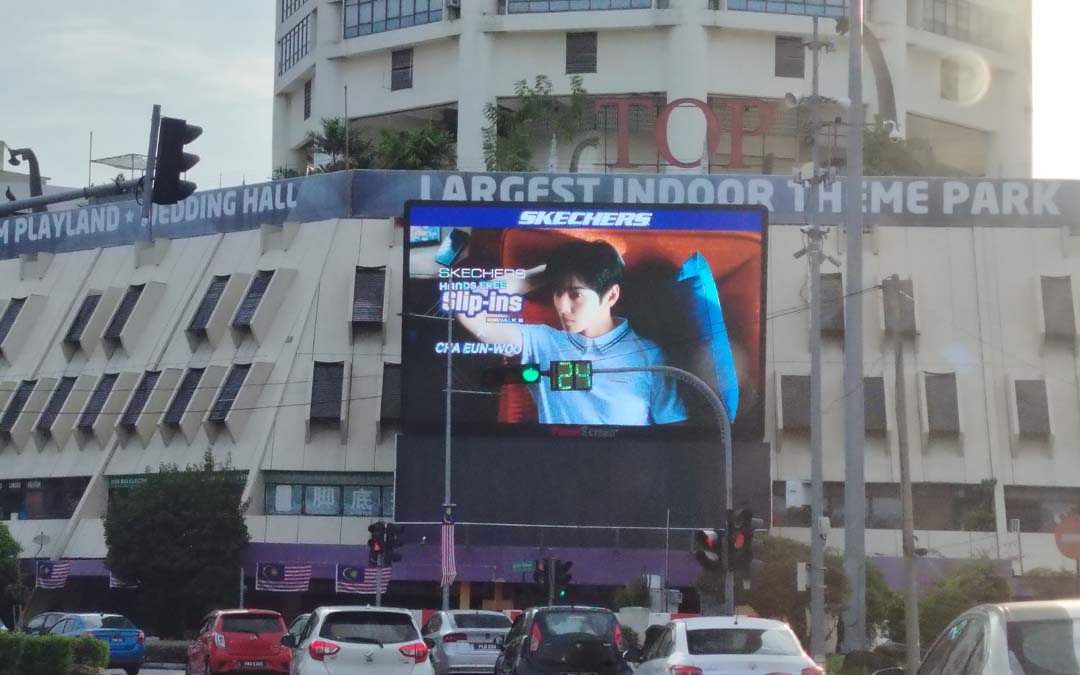
The Consumers’ Association of Penang (CAP) urges the Ministry of Housing and Local Government and local authorities to review and regulate the rapid increase in electronic advertising billboards along major roads.
These digital billboards, with their highly conspicuous and rapidly changing displays, pose a serious risk of distracting drivers and compromising road safety.
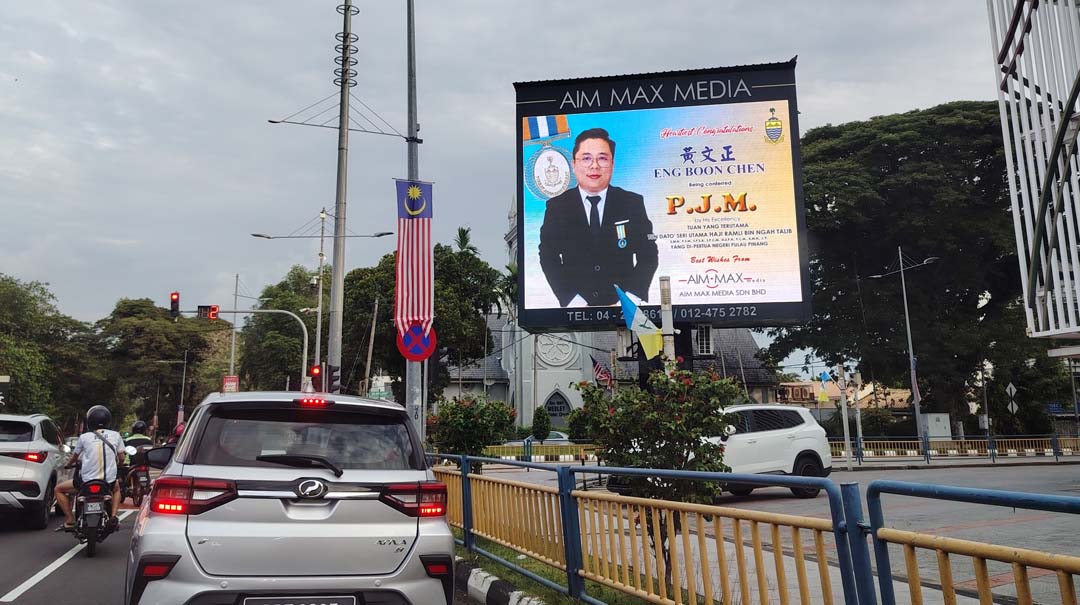
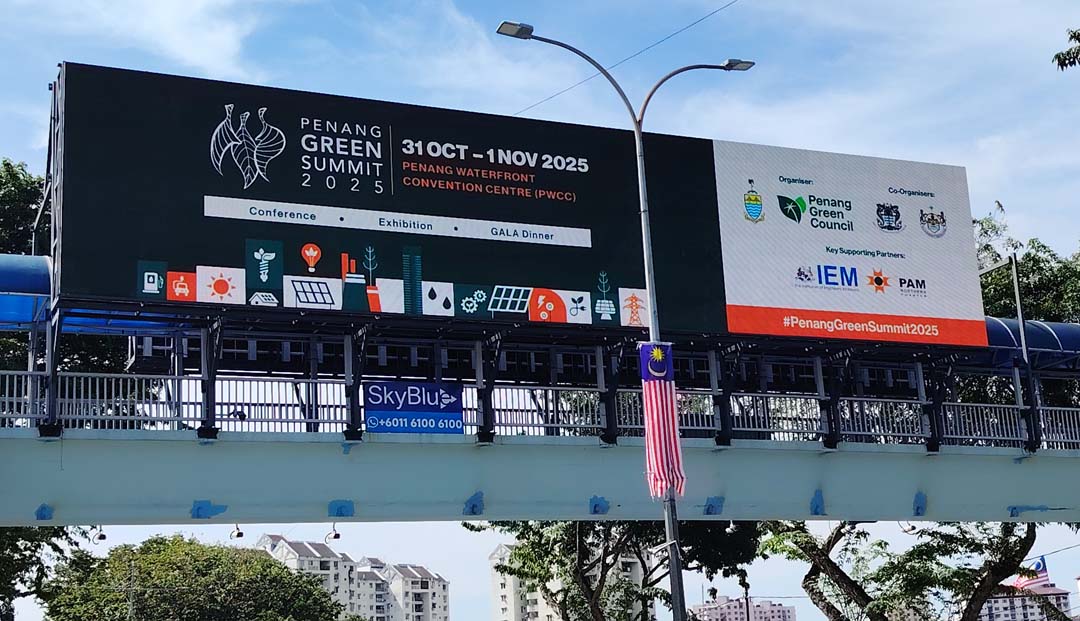
Our recent survey in Penang and Kuala Lumpur shows that roadside digital billboards are drawing attention not primarily for their commercial value, but for their potential to endanger motorists.
Scientific evidence is clear. Research has shown that digital billboards with brightness levels exceeding 300cd/m² (nits) at night can cause disability glare, a temporary impairment of drivers’ vision that reduces their ability to detect hazards on the road.
Studies by the U.S. Federal Highway Administration and international traffic safety experts warn that excessive luminance can reduce contrast sensitivity and delay drivers’ reaction times. For optimal safety, experts recommend much lower limits, around 100–150 cd/m² at night, far below the current levels used by many billboard operators.
The danger is amplified by rapidly changing images, flashing lights, and scrolling text, which create cognitive distraction. Drivers momentarily shift their attention to the billboard instead of road conditions. Even a split-second lapse in attention can prove fatal, particularly on busy highways, before tunnels, at U-turn areas, or near complex junctions.
This concern is not new. On 19 March 2024, Sinar Harian reported that excessively bright digital billboards in Damansara Utama, positioned too close to the road, were distracting drivers, especially in critical locations where maximum concentration is needed. Similar concerns have been raised globally, with countries such as Sweden and Norway restricting or banning roadside digital billboards due to safety risks.

CAP stresses that advertising should never come at the expense of road safety. While we acknowledge that digital advertising generates income for local authorities, public safety must take precedence over commercial interests.
CAP strongly recommends that:
- Local councils impose strict regulations on the placement, size, and brightness of digital billboards, especially near intersections, tunnels, pedestrian crossings, and accident-prone areas.
- Brightness levels at night should be capped at or below 300 cd/m², with consideration for safer international benchmarks of 100–150 cd/m².
- Motion, flashing, or rapidly changing images should be prohibited to reduce distraction.
- Independent road safety impact assessments should be mandatory before the approval of any new billboard installation.
- Regular monitoring and enforcement should be carried out to ensure billboard operators comply with safety standards.
CAP calls on the authorities to act swiftly before the situation worsens and more accidents occur. Road safety must never be compromised for advertising profits.
Mohideen Abdul Kader
President
Consumers’ Association of Penang
Press Statement, 21 August 2025