

URBAN ORCHARDS
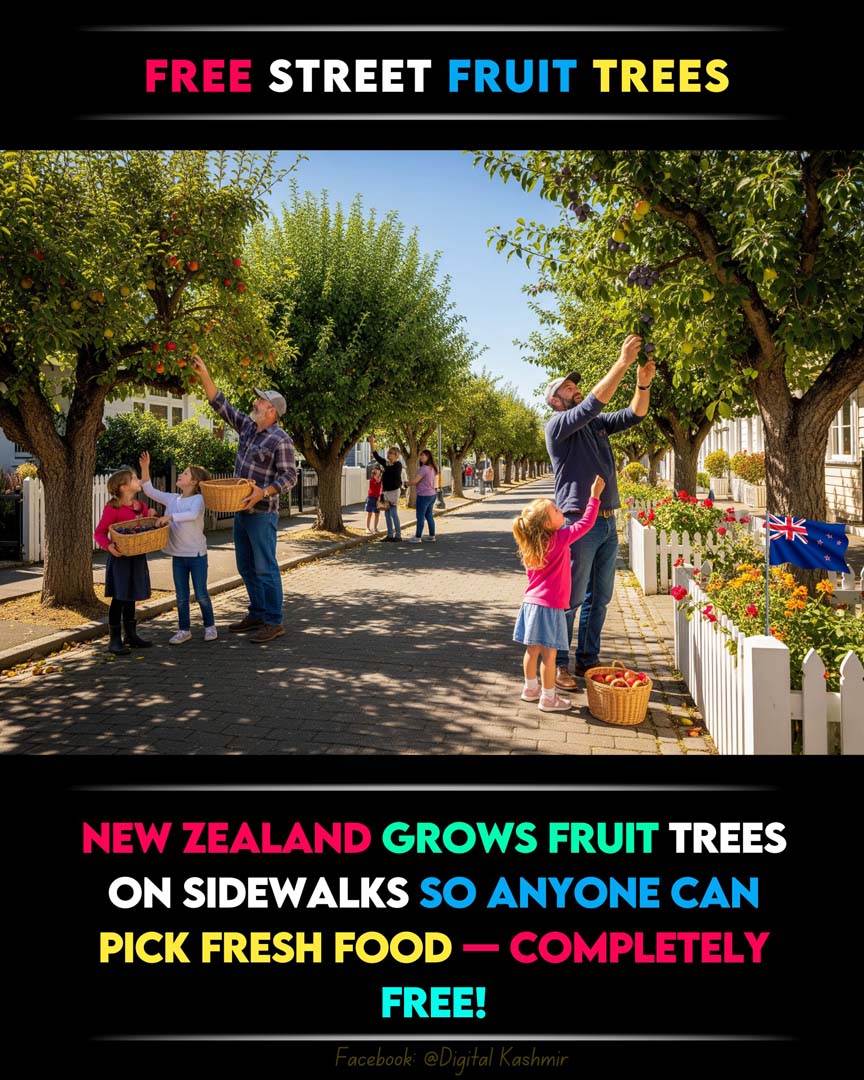
Where Fruit Trees Belong to the Public
Across cities like Auckland, Nelson, and Waiheke Island in New Zealand, fruit trees are intentionally planted in public spaces, including sidewalks, parks, and berms, so anyone can pick fresh produce for free. According to OurAuckland, these trees include apples, plums, feijoas, figs, and even bananas, all grown with support from local councils and community trusts.
The movement is part of a broader push for urban foraging, which encourages residents to gather food from publicly accessible trees and gardens. According to Urban Foraging NZ, there’s even an interactive map that lets people locate fruit and nut trees in their neighborhoods, add new ones, and share seasonal updates.
Waiheke Island alone planted nearly 1,000 fruit trees through the “Love Our Fruit Trees” project, with locals acting as “tree guardians” to care for them. This initiative not only promotes food resilience and sustainability, but also fosters a sense of community and shared responsibility.
The concept is rooted in promoting community access to healthy food, reducing food waste, and enhancing urban green spaces. The benefits are multifaceted: residents enjoy free, fresh produce, which can alleviate food insecurity, while public spaces become more vibrant and biodiverse.
However, challenges include ensuring trees are not overharvested or neglected, and managing fallen fruit to prevent mess or pests. Some areas address this through community clean-up events or signage encouraging responsible picking.
This “urban orchards” or “public fruit trees” initiative reflects New Zealand’s innovative approach to urban planning and community welfare, creating a model for other cities globally to foster inclusivity, sustainability, and connection to nature through shared edible landscapes.
References: Brainy Monkey; Science Acumen
(Image credit: Digital Kashmir)