
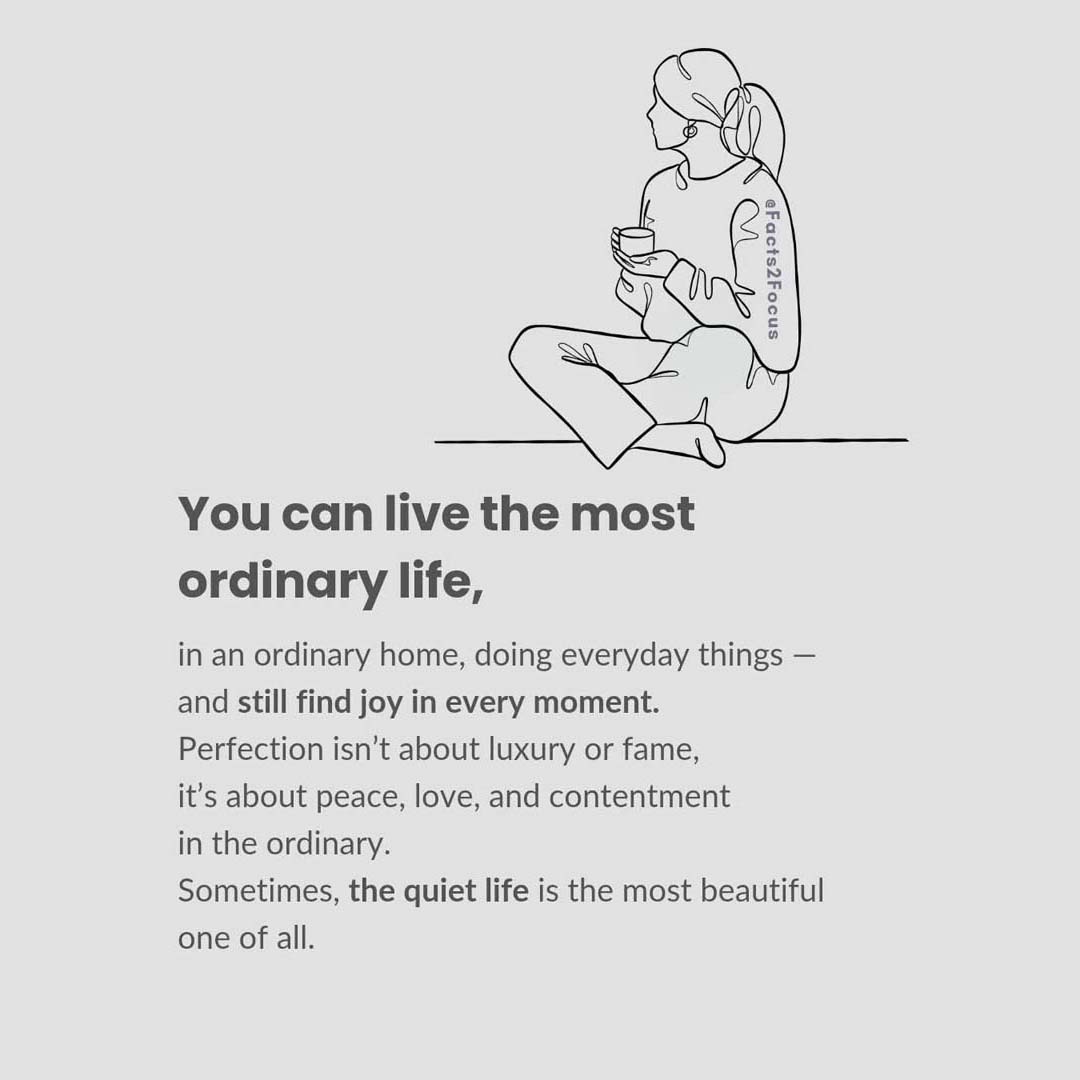
OUTWARDLY SIMPLE, INWARDLY RICH: A Simple Life is A Happy Life
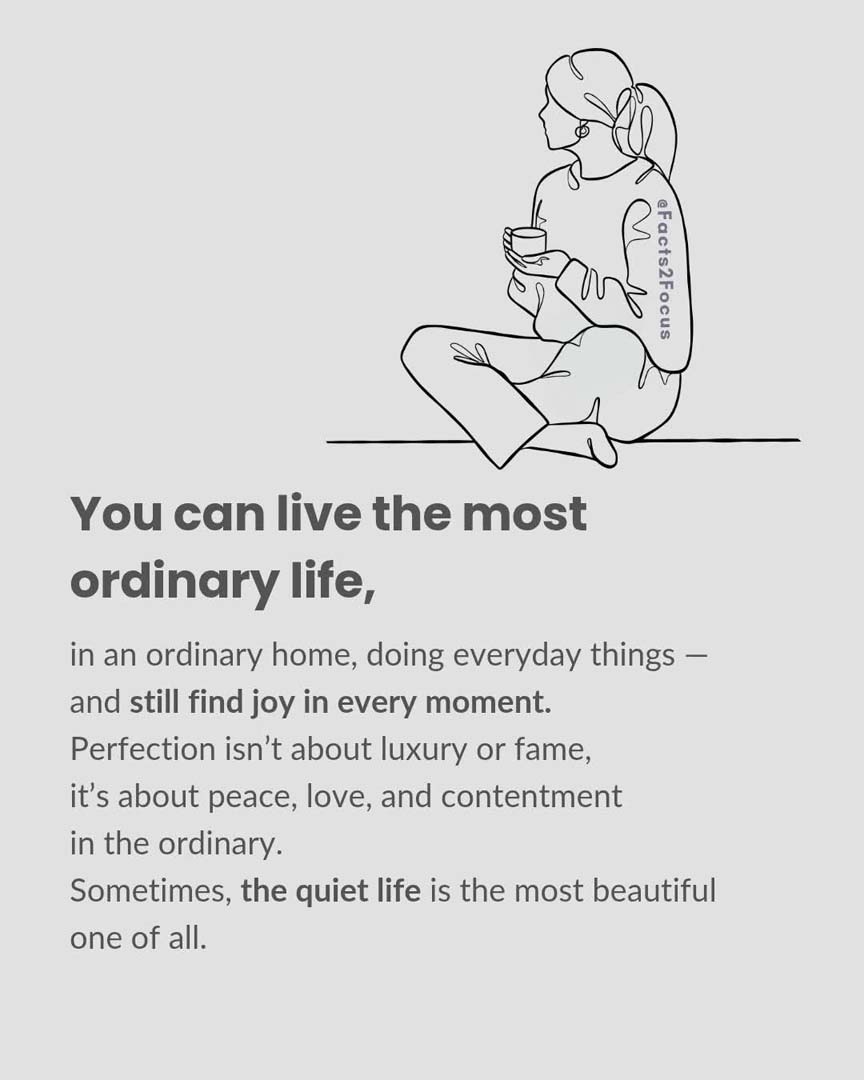
If you want to be happy, stay simple. A life of simplicity and calmness is the best recipe for happiness.
Finding joy in simple pleasures, and being true to oneself rather than meeting societal expectations offer lasting happiness, a new study shows.
Research from the University of Otago, New Zealand found that stepping away from material excess brings greater day-to-day satisfaction.
In the study, people report higher levels of happiness and life satisfaction when they adopt a simpler way of life and more sustainable habits.
Called voluntary simplicity, this way of living reduces stress, boosts happiness, and fosters stronger relationships by rejecting materialism in favour of time and experiences. It confers well-being that material wealth alone cannot provide.
BETTER health. A simpler life allows for better meals (through intentional eating and mindful food preparation and choices), less anxiety, and more time for physical activity, contributing to better overall health.
IMPROVED relationships. Simple living frees up time to focus on family, friends, and community, fostering deeper, more meaningful social connections.
ENVIRONMENTAL sustainability. Adopting a simple life reduces consumption, a powerful way to protect and care for the planet.
Consumer culture often links happiness to higher income and the ability to acquire material goods, says Associate Professor Leah Watkins, a co-author of the study.
“However, research is clear that attitudes to, and experiences of, materialistic approaches to life do not lead to increases in happiness or well-being. Nor do they lead to sustainable consumption necessary for planetary health.”
It’s important to embrace a simple an ordinary life, and to live in a way that is outwardly simple and inwardly rich. “Voluntary simplicity values enough over excess, connection over consumption, and meaning over materialism,” says Professor Rob Aitken, another co-author of the study.
Valuing time over money results in greater fulfilment. Focus on prioritizing quality over quantity, intentionally choosing to have less material baggage to cultivate a more conscious, meaningful, and sustainable life. The greatest wealth is to live content with little, said the ancient philosopher and great thinker Plato.
In the modern world, success is frequently defined by materialistic measures such as wealth, property, and high-status possessions. Choose satisfaction and contentment over “success”. As world famous scientist Albert Einstein said, “A quiet and modest life brings more joy than a pursuit of success bound with constant unrest.”
Adopt slow living. A slower pace of life fosters appreciation for the present moment, making life more meaningful. Make space for reflection and self-awareness in everyday life. Find wonder in daily moments. Live better, not faster.