
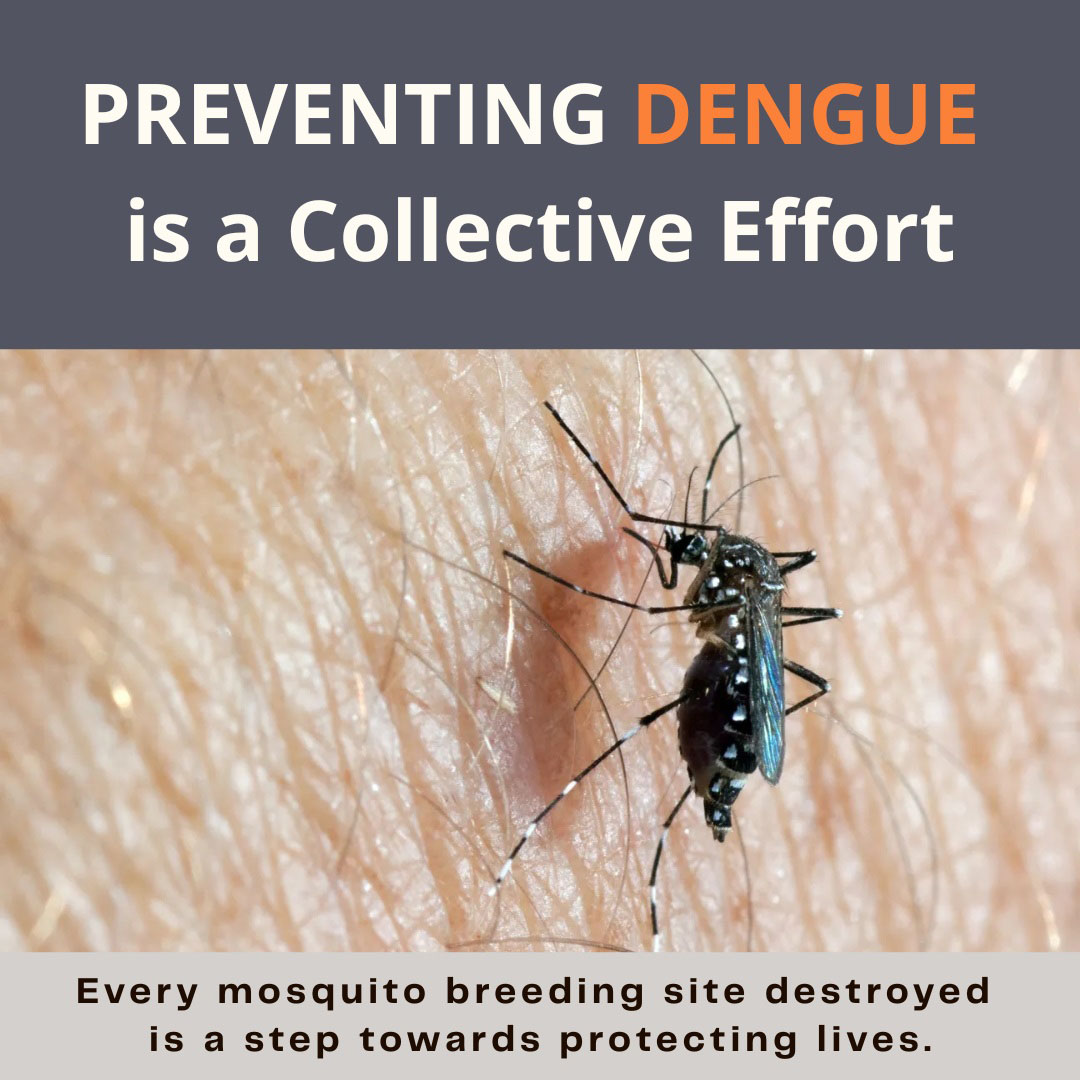
Preventing Dengue is a Collective Effort
The Consumers’ Association of Penang (CAP) is deeply concerned over the continuing dengue threat in Penang despite an overall decline in reported cases. According to Penang State Youth, Sports and Health Committee Chairman, Daniel Gooi Zi Sen, Penang recorded 60 dengue outbreak localities as of 24 June 2026, with the Northeast District accounting for the highest number of outbreaks (27). Although the total number of dengue cases has declined by 34%, from 946 cases during the same period last year to 629 cases this year, and fatalities have fallen from three to one, the presence of active outbreaks across the state shows that dengue remains a serious public health threat that requires constant vigilance.
As one of the world’s most dangerous mosquito-borne diseases, dengue continues to spread due to rapid urbanisation, climate variability, population growth, and poor environmental sanitation. These factors make prevention more important than ever.
Preventing dengue is a collective responsibility and should not be left solely to the Ministry of Health through fogging operations. While fogging helps reduce the adult mosquito population, it does not eliminate mosquito breeding sites. The most effective way to prevent dengue is to remove stagnant water where Aedes mosquitoes breed.
CAP’s survey conducted in several locations across Penang, particularly along the Penang Light Rail Transit (LRT) Mutiara construction sites, found stagnant water trapped in the cavities of road barriers and construction materials. Such conditions provide ideal breeding grounds for mosquitoes. CAP also observed clogged drains and stagnant water in public areas that continue to contribute to mosquito breeding.
Another growing concern is the increasing amount of plastic waste generated from online shopping and food delivery services. Plastic wrappers, cups, food containers, bottles and other discarded packaging that are not disposed of properly can collect rainwater and become breeding sites for Aedes mosquitoes.
CAP calls on all relevant authorities, particularly local authorities, to intensify inspections and enforcement and to take firm action against those responsible for creating mosquito breeding grounds. Developers and contractors must be held accountable for maintaining proper sanitation, effective drainage and good site management throughout the construction period to prevent the accumulation of stagnant water and the breeding of Aedes mosquitoes.
Dengue prevention cannot depend on government agencies alone. Every mosquito breeding site destroyed is a step towards protecting lives. Only through the combined efforts of government agencies, local authorities, developers and the public can Penang significantly reduce dengue outbreaks and safeguard the health of its communities.
Mohideen Abdul Kader
President
Consumers’ Association of Penang
Press Statement, 9 July 2026