
Turn Road Medians into Green Corridors
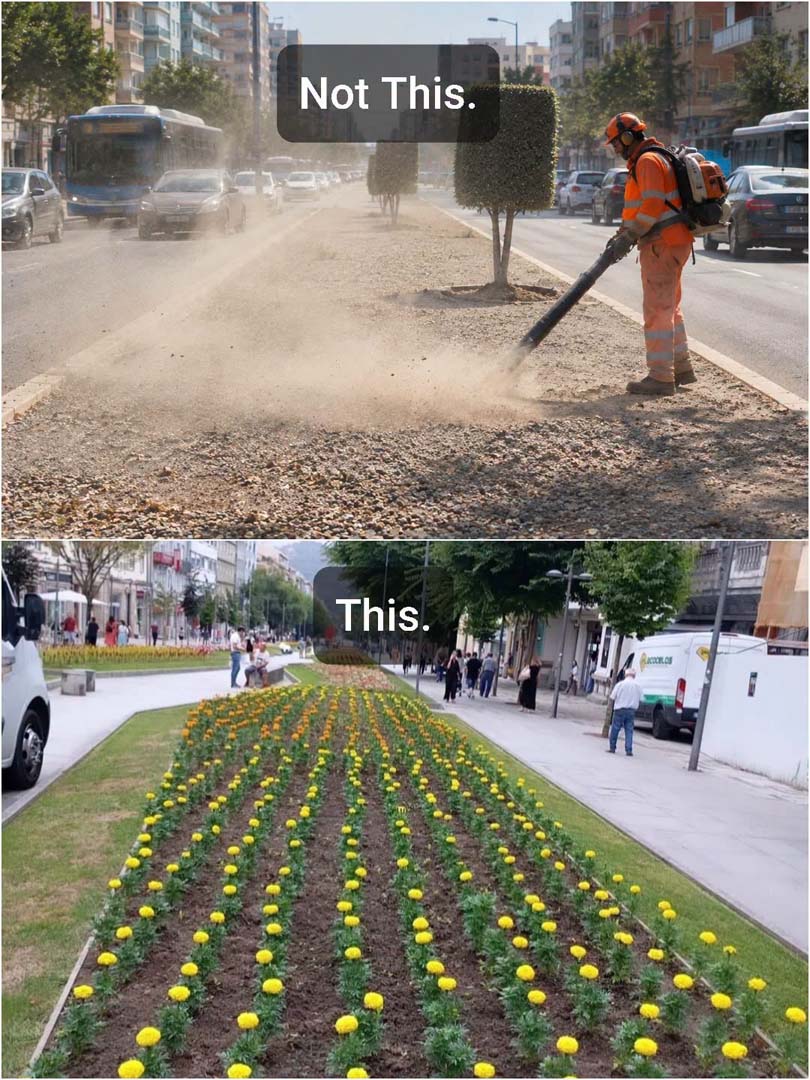
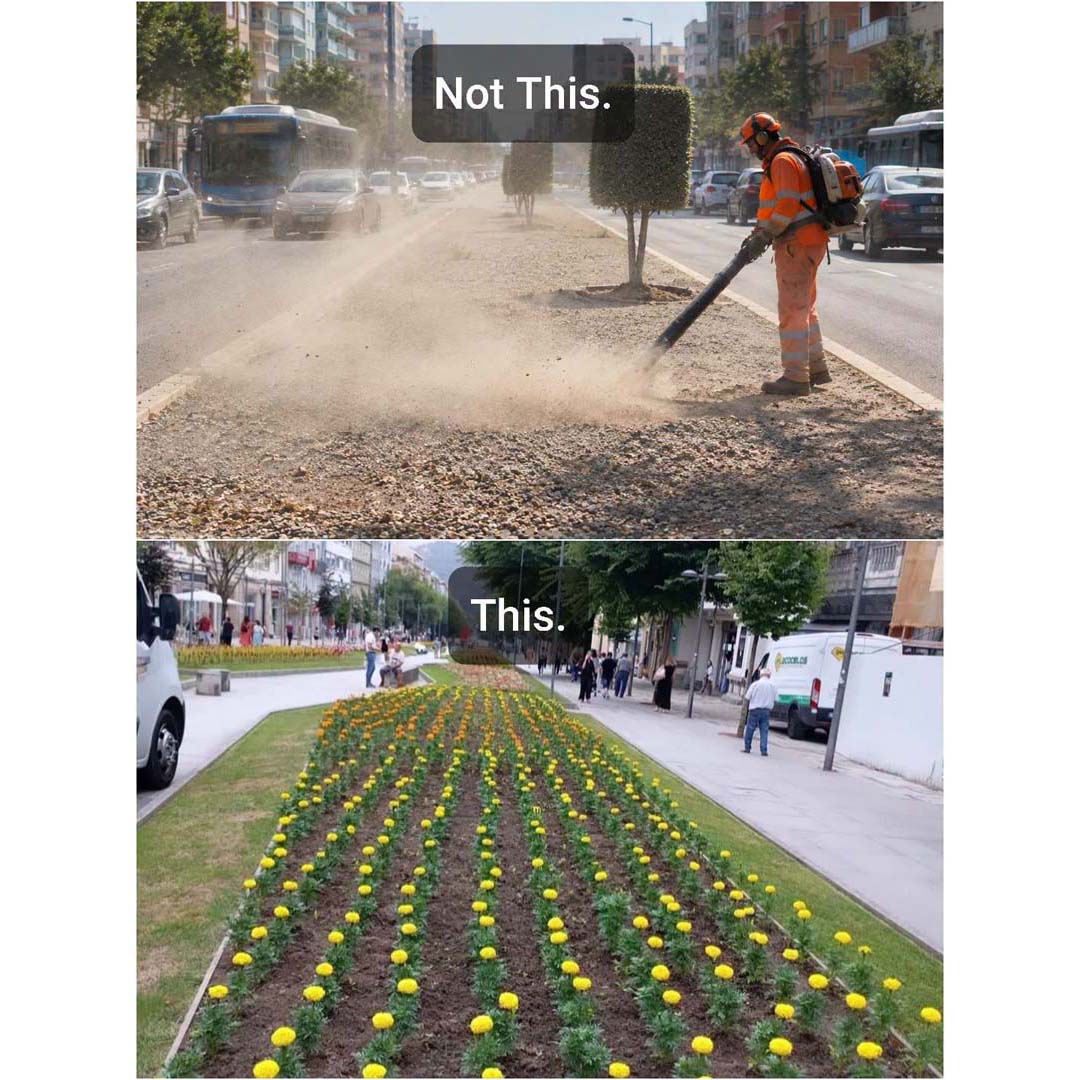
Road medians can be more than strips of gravel. Across cities worldwide, countless road medians are covered with decorative gravel, weed-control fabric, and neatly trimmed shrubs that offer little food or shelter for wildlife.
These narrow strips of land could be doing so much more.
Imagine replacing bare gravel with native grasses, flowering plants, and low-growing shrubs. Instead of lifeless dividers between traffic lanes, road medians could become green corridors connecting gardens, parks, and natural areas across the city.
A LIFELINE FOR POLLINATORS. Flowering plants provide nectar and pollen for bees, butterflies, and other pollinators. Connected green spaces can help these insects move between feeding and nesting sites.
BETTER RAINWATER MANAGEMENT. Where soil conditions allow, vegetated medians can absorb some rainfall, slow runoff, and reduce the amount of water flowing directly into storm drains.
COOLER URBAN SPACES. Exposed gravel and hard surfaces absorb solar energy and release heat. Vegetation can help cool its immediate surroundings through shade and evapotranspiration, particularly when plants have enough moisture.
MORE ROOM FOR WILDLIFE. Native grasses and shrubs can provide seeds, shelter, and habitat for insects and other small animals, supporting a more diverse urban ecosystem.
What Cities Can Do
● Replace unnecessary gravel and weed-control fabric with suitable vegetation.
● Plant locally native grasses, wildflowers, and shrubs adapted to the climate.
● Reduce excessive mowing and allow flowering plants to complete their life cycles.
● Maintain clear sightlines and safe visibility around intersections and road crossings.
Not every median can support dense vegetation, and each design must account for road safety, drainage, and local conditions. But where space allows, even a narrow strip can contribute to a healthier urban environment.
A road median doesn’t have to be just a divider between lanes. It can become a living corridor that connects nature, cools the ground, and brings biodiversity back into our cities.
Source: INature