
SLEEP WELL, FEEL BETTER

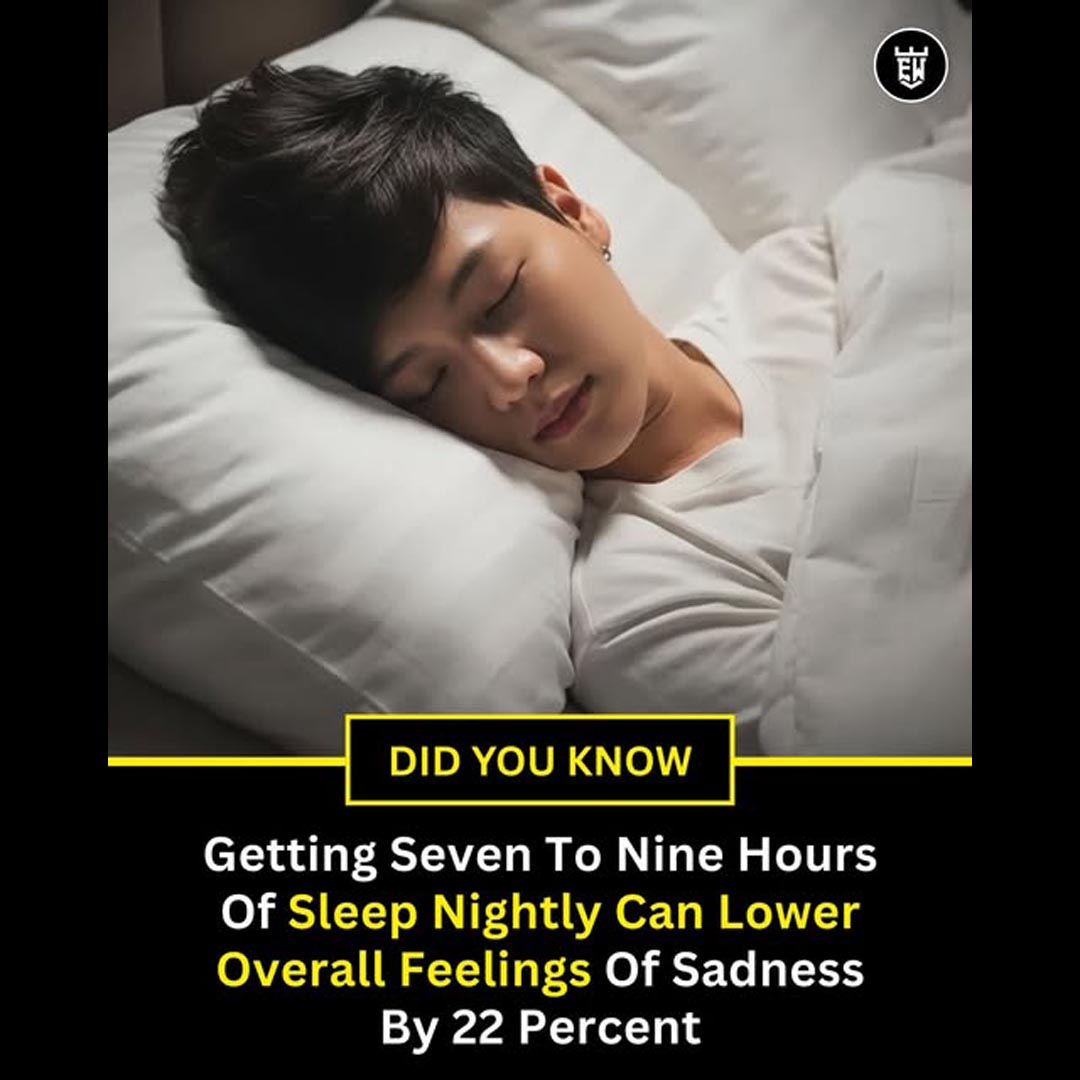
Sleep does more than restore energy. Research shows that consistently getting 7-9 hours of sleep each night can reduce overall feelings of sadness by about 22%, highlighting how deeply rest shapes emotional health.
During sleep, the brain actively processes emotions. Key regions involved in mood regulation reset stress responses and organize emotional memories. When sleep is limited, these systems become imbalanced. The brain reacts more strongly to negative experiences while losing its ability to regulate perspective and calm. Over time, this imbalance can amplify sadness and emotional fatigue.
Adequate sleep supports healthy neurotransmitter function, including serotonin and dopamine, which play central roles in emotional stability and motivation. It also lowers cortisol, the primary stress hormone. When cortisol remains elevated due to poor sleep, emotional resilience drops and sadness becomes harder to shake.
Sleep also strengthens the connection between the emotional and rational parts of the brain. This connection allows feelings to be processed rather than overwhelming thought patterns. With enough rest, the brain becomes better at emotional recovery, making daily challenges feel more manageable.
This does not suggest sleep alone solves emotional struggles. Mental health is shaped by many factors, including relationships, stress levels, and physical health. However, sleep acts as a foundation. Without it, other supports work less effectively.
The reassuring message is that sleep is one of the most accessible tools for emotional care. Improving sleep duration and consistency gently supports mood without added pressure.
Prioritizing rest is not avoidance. It is active maintenance of emotional balance. When the brain is given time to recover each night, clarity returns, resilience strengthens, and sadness loosens its grip over time.
Source: Explaining The World