
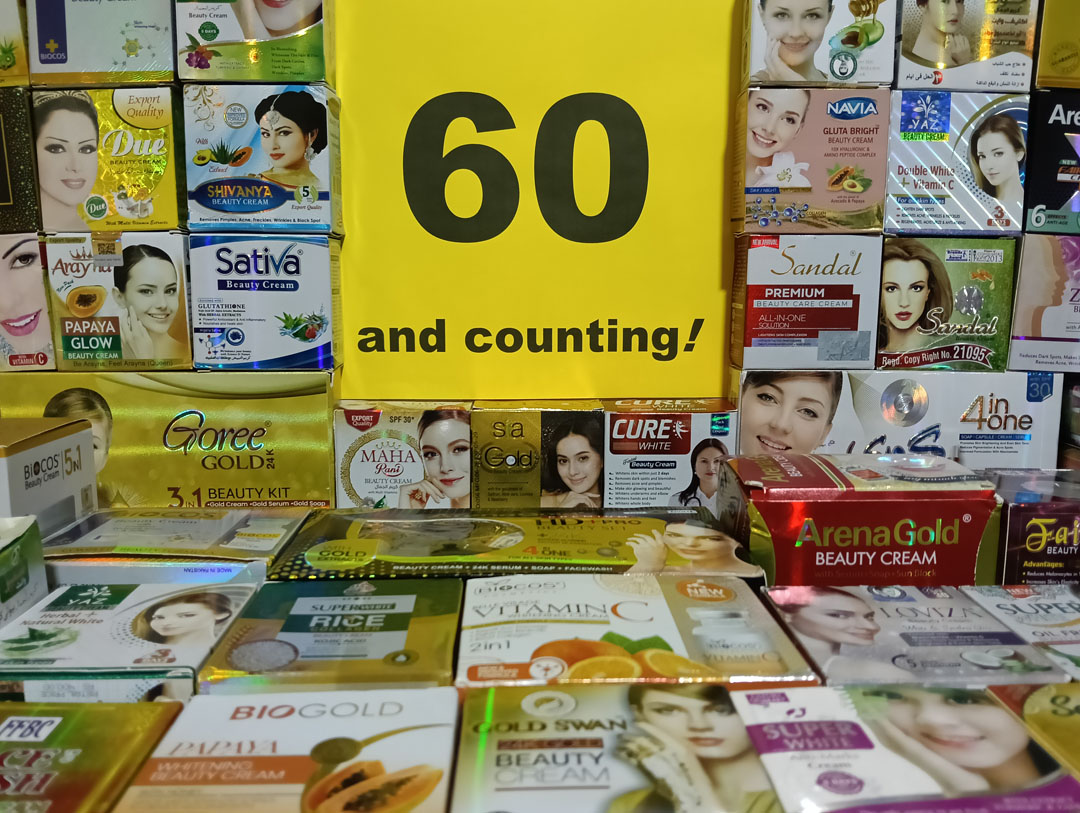
60 Made-in-Pakistan Facial Creams Found to Contain Toxic Mercury
Be cautious when buying Pakistan-made skin lightening products online. A toxics watchdog group in the Philippines has to date found 60 such products to contain toxic mercury.
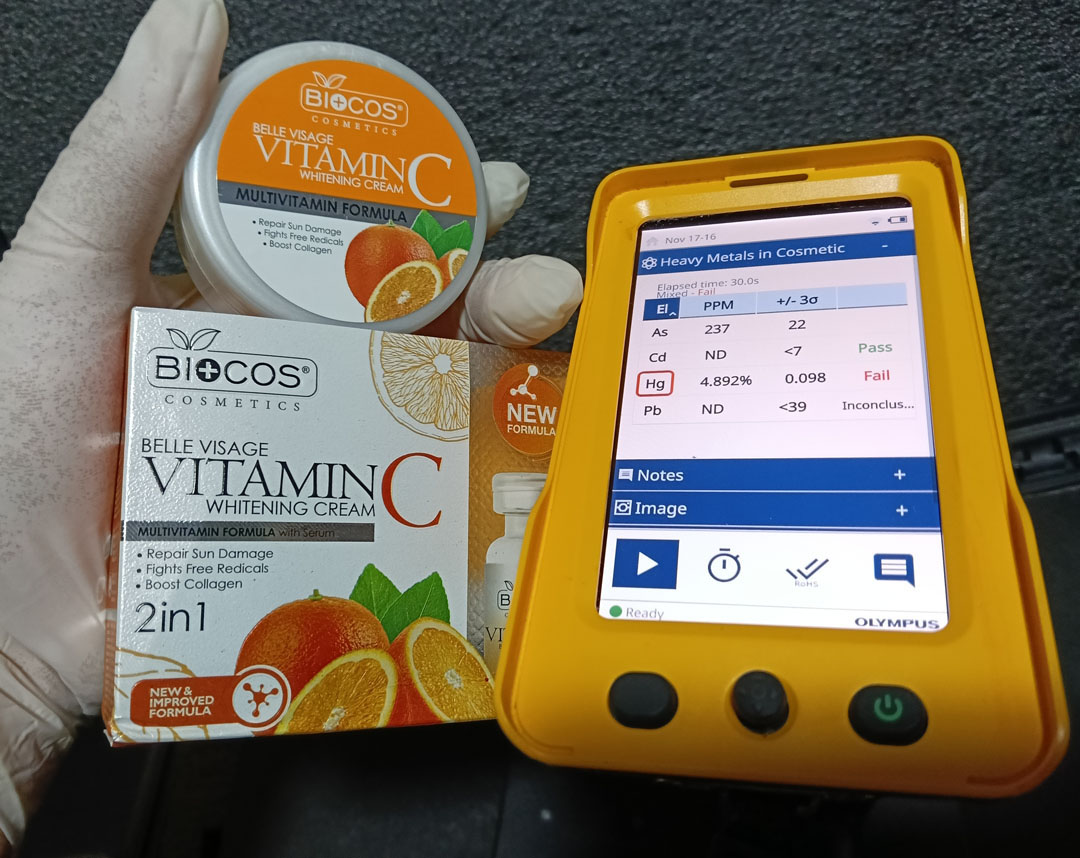
According to Ecowaste Coalition, its latest round of tests found 6 made-in-Pakistan facial creams sold online, including whitening creams, to contain mercury with levels reaching up to almost 50,000 parts per million (ppm).
Biocos Belle Visage Vitamin C Whitening Cream topped the list with 48,920 ppm of mercury, followed by Sia 24K Gold Beauty Cream (17,740 ppm), Maha Rani Beauty Cream (16,580 ppm), Cure White Fastest Beauty Cream (1,023 ppm), Super White Oil Free Beauty Cream (985 ppm), and Super White Rice Collagen Beauty Cream (406 ppm).
The mercury content in all of the above 6 products were way above the 1 ppm maximum limit for mercury under the ASEAN Cosmetic Directive, as well as Pakistan’s own safety standard for mercury.
According to the World Health Organization (WHO), “Adverse health effects of the inorganic mercury contained in skin lightening creams and soaps include: kidney damage, skin rashes, skin discolouration and scarring, reduction in the skin’s resistance to bacterial and fungal infections, anxiety, depression, psychosis and peripheral neuropathy.”
Embrace your natural skin colour. Don’t be influenced by ads that equate lightening creams with beauty, status and success. Labels that encourage you to have lighter skin is racist cultural messaging.
“The pursuit of lighter skin tone is fuelling a toxic trade in mercury-laced cosmetics, which is poisoning people’s health and the planet. This is unacceptable,” said Aileen Lucero, National Coordinator of the EcoWaste Coalition, which has been tracking mercury in skin lightening products since 2011.
“End racist and toxic beauty now.”
Global Bans on Mercury Not Enforced
The Minamata Convention on Mercury, ratified by Pakistan and the Philippines in 2020, explicitly bans mercury use in cosmetics, including skin lightening creams and soaps. The treaty originally targeted 2020 as the date after which the manufacture, import, or export of mercury-added cosmetics shall not be allowed. In 2023, the Conference of the Parties adjusted the phase-out date to 2025.
“As 2026 approaches its final stretch, enforcement gaps allow the persistent trade of banned mercury-added cosmetics to continue,” said Aileen Lucero. “Global bans mean nothing without real enforcement. If it is not enforced now, when?” she added.
According to the United Nations Environment Programme (UNEP): “Parties (to the Minamata Convention) must enforce regulations prohibiting mercury-added cosmetics while promoting the availability of safe and effective alternatives.
“Cooperation among cosmetic manufacturers, retailers, consumer protection agencies, and regulatory authorities is key to ensuring compliance and eliminating mercury from cosmetic products. The Convention also encourages international collaboration to strengthen enforcement against illegal production and trade of mercury-containing cosmetics.”
To protect public health and the environment from mercury-added cosmetics, the EcoWaste Coalition in a press release on 19 November 2026, urged governments to enforce the global ban under the Minamata Convention; forge international law enforcement cooperation; close legal loopholes; impose strict penalties; hold e-commerce and social media platforms accountable; detoxify cosmetics and beauty ideals; and conduct campaigns challenging colourism to cut the demand for skin whiteners and promote acceptance of natural skin tones.