
EDUCATIONAL VISIT on Consumer Rights and Product Safety by INTI International College Penang students
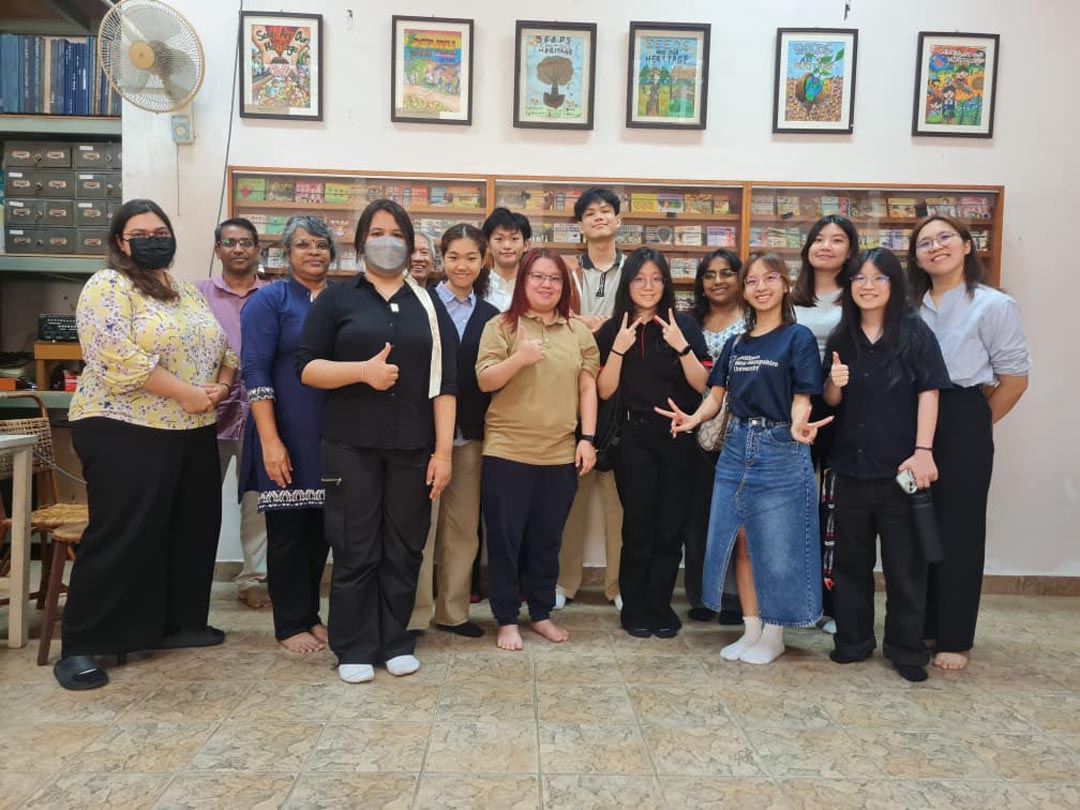
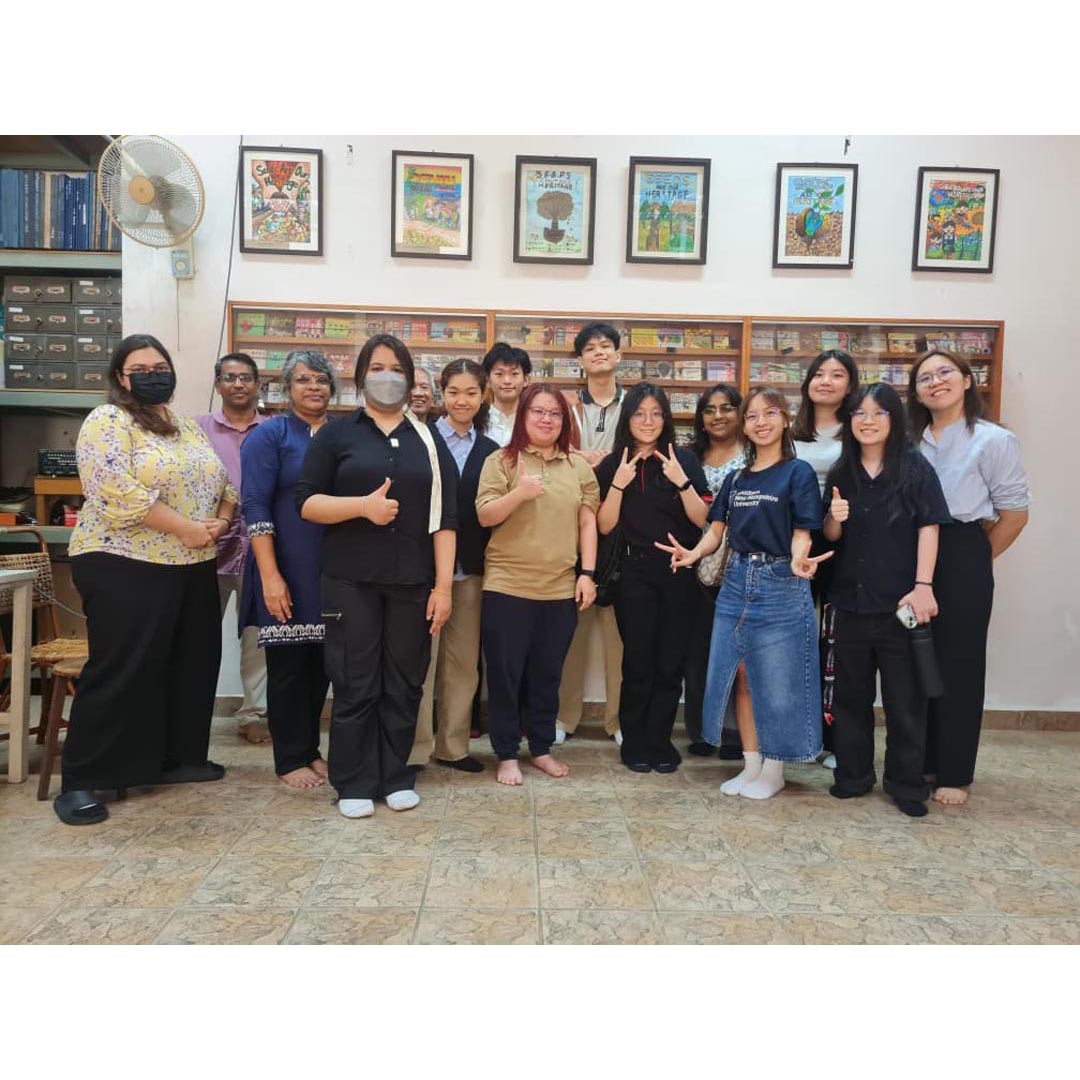
On 12 March 2026, in conjunction with World Consumer Rights Day (WCRD) themed “Safe Products, Confident Consumers”, a group of 10 students (8 females & 2 males) and 1 lecturer from INTI International College, Penang visited the Consumers’ Association of Penang (CAP).
The programme was organised as an educational visit to enhance students’ understanding of consumer rights, product safety, and current consumer protection issues in Malaysia.
The programme consisted of several talks delivered by research officers from CAP, providing students with valuable insights into real-world consumer advocacy and regulatory challenges.
The programme began with Mr Yong’s presentation on the importance of establishing a “Lemon Law” in Malaysia. It was explained that under the Consumer Protection Act 1999 (CPA 1999), suppliers are allowed to repair defective products before offering a replacement or refund.
However, the Act does not clearly define the timeframe for repairs, which may disadvantage consumers, particularly for high-value items like cars. A “Lemon Law” was proposed to address this issue by requiring a replacement if a product has an unrepairable defect within a specified period.
Mr Yong also noted that the government is planning to amend the CPA 1999 to include such a policy in the near future.
The second presentation titled “Asbestos Can Kill”, was delivered by Ms Mageswari. She explained that asbestos is a durable and heat-resistant material commonly used in products such as floor tiles, roofing sheets, and car brake pads. Damaged or deteriorated asbestos- containing products release fibres into the air that can be inhaled.
The International Agency for Research on Cancer has classified all forms of asbestos as carcinogenic, with mesothelioma highlighted as a rare but often fatal disease that may develop many years after exposure.
She also cautioned that in Malaysia, asbestos waste is considered toxic waste and cannot be disposed into a general bin. Asbestos waste as a scheduled waste should be disposed of at prescribed premises only.
Mageswari ended the session by highlighting that NGOs in Malaysia are pushing the government to have a total ban on asbestos use by 2027.
Next, Mr Ganesan’s talk focused on product safety and consumer rights for both food and non-food items. He emphasised the importance of clear labelling on imported food and expiry dates, suggesting they be embossed rather than ink-printed to prevent tampering.
He also highlighted the value of purchasing products with certification from SIRIM, which ensures they meet safety standards. Using helmets as an example, he warned that uncertified products may fail to protect users in accidents.
Mr Ganesan also cautioned against unsafe items like “dummy buckles”, explaining that their use can prevent seatbelts from functioning properly and reduce airbag effectiveness, putting users at serious risk.
Overall, the programme provided the college students with valuable exposure to real consumer protection issues and the role of advocacy organisations in safeguarding consumer interests.
Through the talks, students gained a better understanding of consumer laws, health and safety risks associated with hazardous materials, and the importance of responsible purchasing decisions.
The programme also encouraged students to become more aware, informed, and responsible consumers in their daily lives.
We received feedback from the students that they found the visit extremely meaningful, eye-opening, and interesting. They said it was a very new and enjoyable experience, and they gained a great deal of knowledge from the visit.