
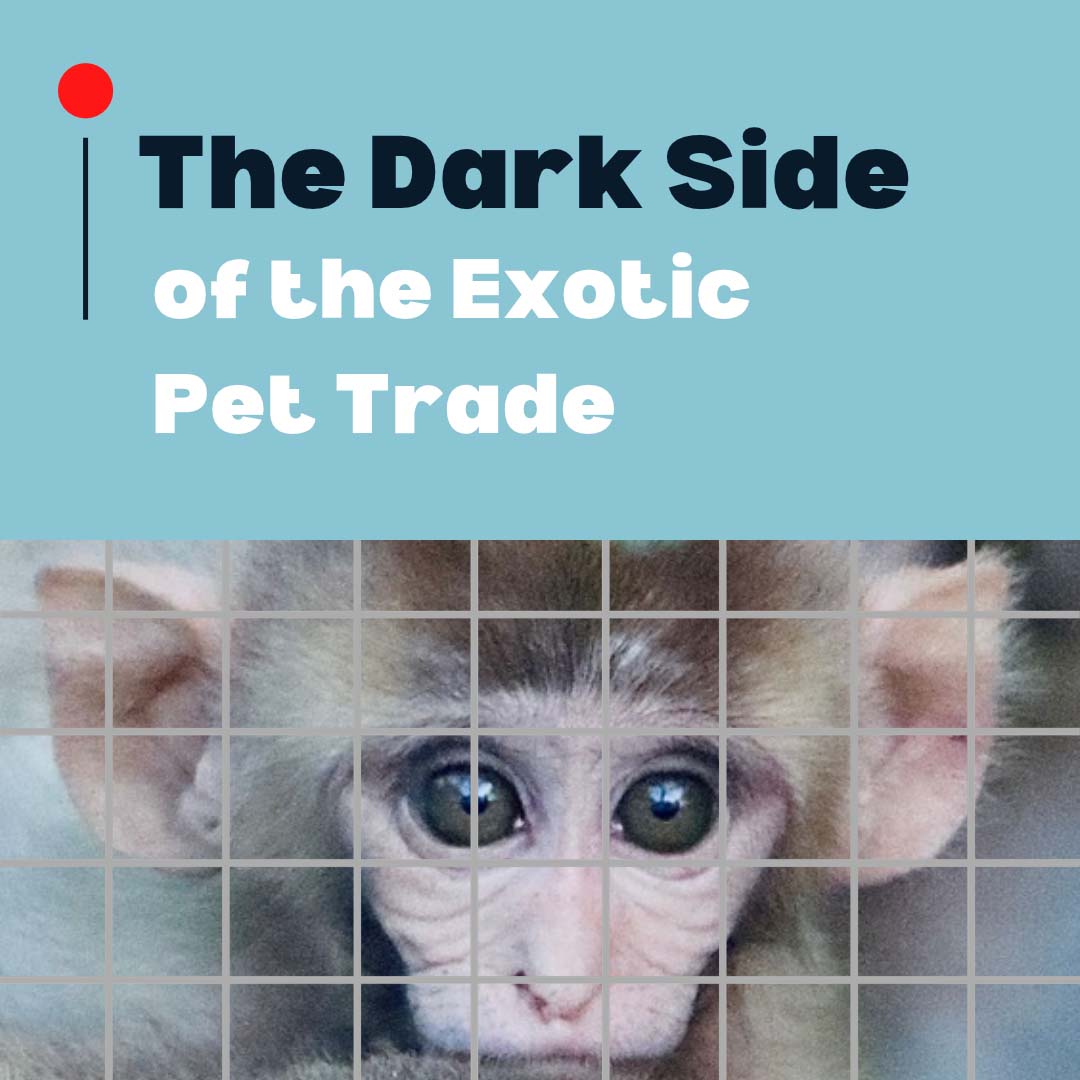
The Dark Side of the Exotic Pet Trade
The Consumers’ Association of Penang (CAP) urges greater scrutiny of the exotic pet trade, a business often portrayed as harmless where unusual animals are purchased simple because people find them beautiful, fascinating or different from ordinary domestic pets. Yet, behind this allure lies an industry that inflicts severe suffering on individual animals, contribute to the depletion of wild populations and poses ecological risks. When non-native species are released or escape, they can wreak havoc on local environments, threatening biodiversity and disrupting fragile ecosystems.
Owners of exotic pets are either unaware of or ignorant of a multibillion-dollar industry that is fuelled by demand brought on by severe animal suffering and ecological devastation. In fact, unsustainable poaching for the rare and exotics destroys wild populations and upsets delicate ecosystems. In addition, what goes unnoticed is the notoriously brutal supply chain; long before they reach a buyer’s living room, the great majority of captured animals die from stress, trauma, suffocation and even disease.
The animals involved in the exotic pet trade range from reptiles and birds to primates, mammals, amphibians, fish, and other wildlife species. These animals often have highly specific needs that cannot be met in a home environment.
As a result, many suffer pain and premature death from malnutrition, isolation, loneliness, unsuitable temperature and humidity, and the overwhelming stress of confinement in unnatural environments. Deprivation of natural behaviours such as climbing, perching, and foraging further compounds their distress, leading to disease, chronic stress, and the development of stereotypic behaviours when their needs are not adequately met.
While laws play an important role in regulating the exotic pet trade, they remain insufficient to address the full scope of problems associated with the keeping, selling, and importation of exotic species. Legal measures alone cannot resolve the complex welfare, ecological, and enforcement challenges inherent in this trade.
According to Malaysia Biodiversity Information System (MyBIS) elaborating on the report National Action Plan on Invasive Alien Species 2021-2025, some exotic species are imported because of their popularity among enthusiasts and are therefore readily available at pet shops and through online platforms.
Exotic pet owners should seriously consider whether they can provide lifelong care. A most pressing concern with regards to exotic pets is the potential for them to be released when it becomes too large, aggressive, costly, or problematic to keep.
Releasing an exotic pet into the wild is not a viable option for dealing with the animal because an animal accustomed to captivity often lack the ability to survive due to the absence of food and shelter. If they do survive, they risk the potential to become an invasive alien species, threatening native biodiversity and disrupting fragile ecosystems.
Even a pet turtle or fish bought to clean or as an addition to an aquarium may seem harmless but when introduced into an environment that lacks its natural predators, it can become an invasive alien species. Such is the case with our invasive ornamental fish species which have killed off our local fish. Predatory fish species like the peacock bass, African catfish, redtail catfish, suckermouth catfish along with others have already invaded our waterways causing environmental damage. Once an invasive population becomes established, eradication can be extremely difficult and expensive.
While countries all over the world struggle against aggressive invasive species, the Wildlife Department, the Veterinary Services Department, and the Fisheries Department are ill-prepared for the fierce competition from invasive species entering into our country.
Ultimately, keeping exotic wildlife should never be regarded simply as owning an unusual pet. It carries profound legal, ethical and environmental responsibilities.
The gravity of the situation demands comprehensive solutions. There is an urgent need to convince consumers to curb their appetite for exotic and endangered animal species. Protecting both individual animals and Malaysia’s ecosystems requires responsible consumer behaviour, legal provisions requiring all alien exotic species to be fitted with identification (ID), effective enforcement, strict trade controls and above all, an understanding that exotic animals are not commodities merely because they can be bought and sold.
Strong political commitment is essential to prevent and manage invasive alien species, while action plans outlined in the national report must be fully executed to protect biodiversity against biological invasion. Last but not least, pet shops and animal-related facilities must be prohibited from importing exotic wildlife species.
Mohideen Abdul Kader
President
Consumers’ Association of Penang
Letter to the Editor, 10 November 2026