No products in the cart.

Author: admin

Help bus drivers in order to protect passengers

The Consumers Association of Penang (CAP) refers to the recent report in the press on the confessions of an express bus driver who had been plying the Kuala Lumpur-Terengganu route for 10 years. We are deeply concerned to note that bus drivers are taking pil khayal or pil kuda just to stay awake and cope with their rigorous driving hours. Sometimes the bus drivers are required to run the return...
Read More

Handling toxic chemical need safety controls

Consumers’ Association of Penang (CAP) views with concern the incident in Shah Alam where 31 students of a school there fell ill and had breathing difficulties – apparently following the release of a toxic chemical known as ethyl mercaptan. Exposure to ethyl mercaptan can cause headaches, weakness, fatigue, nausea, lack of coordination and irritation of the mucous membranes. Children are...
Read More

Big jump in deaths of motorcyclists

The Consumers Association of Penang (CAP) is alarmed at the latest motor vehicle accident statistics which indicate that between 10 to 15 motorcycle riders and pillion riders die as a result of accidents every day in the country. There has been a 9.6 per cent increase in deaths which translate into 290 additional deaths of which 211 were motorcycle riders and pillion riders, between January and...
Read More

Disallow importation of xenon HID light components

The Consumers Association of Penang (CAP) congratulates the Road Transport Department for its ongoing success in curbing the illegal use of Xenon HID (High Intensity-Discharge) lights on vehicles in the country. Xenon lights are a proven hazard to Malaysian motorists. They are far more suited for use in European countries where visibility is low due to foggy conditions or during winter....
Read More

Crane accidents – Who is responsible?

The Consumers Association of Penang (CAP) is increasingly worried about the substantial number of accidents involving cranes at construction sites in this country.  Most of these cases are caused by non-compliance of basic safety guidelines as stipulated by the Department of Occupational Safety and Health (DOSH). In May 2007, two contractors and a crane manufacturer were charged in court over a...
Read More

Hold professionals liable in building collapse

The Consumers Association of Penang (CAP) is appalled at the state of affairs concerning the safety of our buildings and the safety standards practiced by local and foreign contractors here. The country is still reeling from the tragedy of the Jaya Supermarket deaths and now we have another near miss in the form of the Sultan Mizan Zainal Abidin Stadium roof collapse in Kuala Terengganu. It is...
Read More
idris-bpa01

Toxic BPA leaches from “safe” plastics

If you frequently eat from a plastic food container or drink from a plastic bottle, chances are you are ingesting Bisphenol A (BPA), a toxic chemical compound with proven links with a wide range of health disorders, from infertility and breast and prostate cancers, to thyroid malfunction, attention deficit syndrome and recurrent miscarriage. BPA is a key ingredient in plastic food storage...
Read More
pvc-outgas

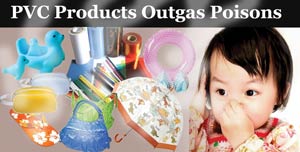
PVC plastic products outgas poisons

It's one of the most hazardous consumer products ever created.  It’s dangerous to human health and the environment at every stage of its lifecycle: from production, to use, to disposal, yet it’s the most widely used material on earth. Beware of PVC, the Poison Plastic. Did you know: Most plastics are made from petroleum (oil or natural gas) and plastics can contain a whole host of chemical...
Read More
radiation1

Radioactive metals in consumer products

Authorities in the Netherlands found about 900 women’s handbags that had originated in India and were decorated with metal rings laced with radioactive Cobalt-60 on each bag’s shoulder strap. Thousands of everyday products and materials containing radioactive metals are surfacing across the United States and around the world. Common kitchen cheese graters, reclining chairs, women’s handbags...
Read More

Are you paying for clutter?

The easiest way to save resources and energy and to cut down on waste is to use less. This statement is so simple as to sound banal, yet it can serve as a guide to action. Also implied is the idea of consuming less, buying less, making do with what we have already — even at times ridding ourselves of all the unnecessary gadgets and duplicates that so hideously clutter up our lives. All this is...
Read More