
No products in the cart.

Author: Lai Cheng

Need For Urgent Preventive Measures To Avert Tragedies In Kuala Lumpur

 Sahabat Alam Malaysia (SAM) is alarmed to learn about yet another sinkhole appearing in the Jalan Masjid India area in Kuala Lumpur today. It is indeed worrying over the state of public safety in the area, including in other parts of Kuala Lumpur, which are not only vulnerable to sinkholes and land subsidence, but also to flash floods, landslides and slope failures arising from the current...
Read More
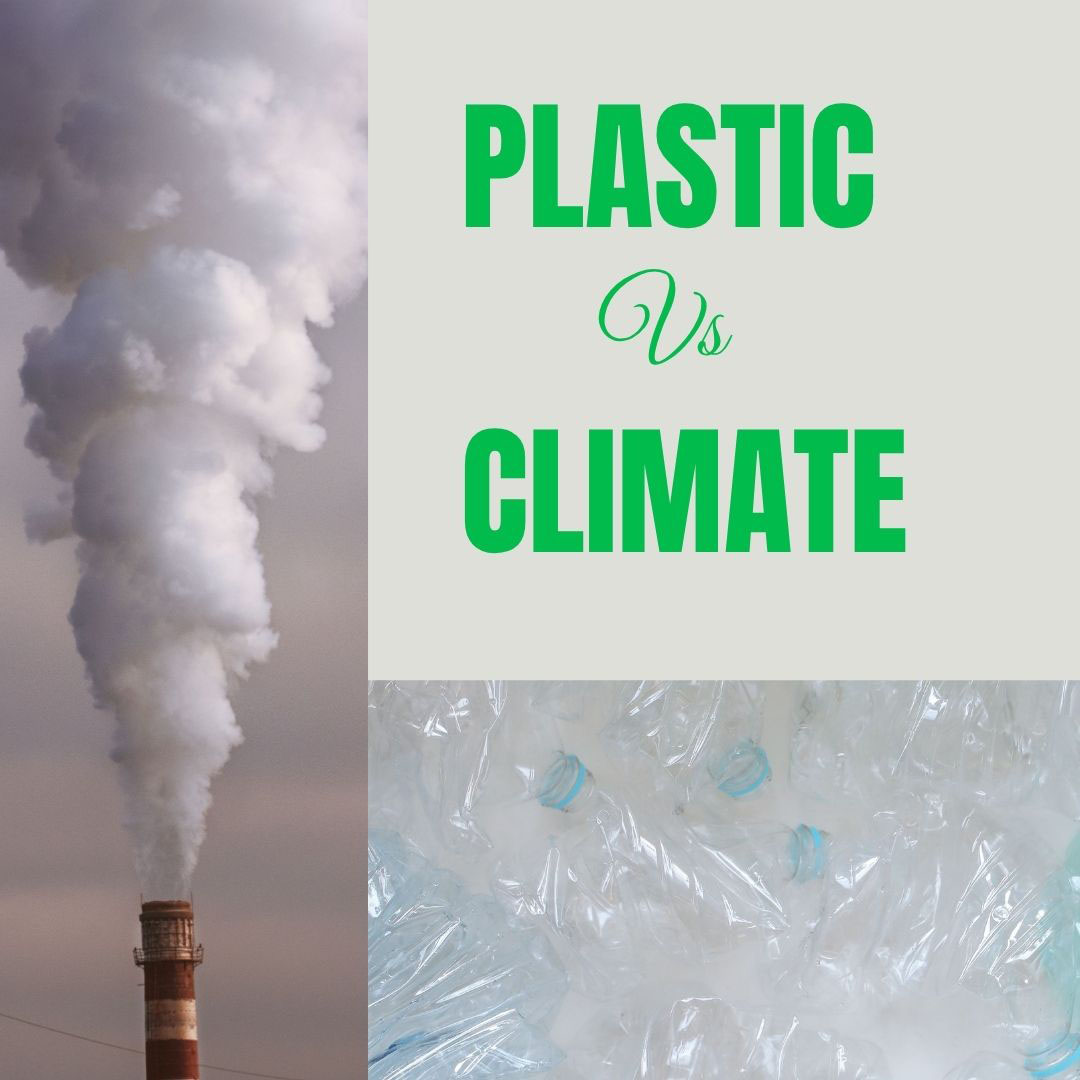
PERSISTENT PLASTIC POLLUTION

Ecosystem Under Siege: Wildlife, Soil, and Climate at Risk Plastic pollution has become a pervasive environmental issue with dire consequences for wildlife, soil, groundwater, and ultimately, climate change. The durability and widespread use of plastics mean they persist in the environment for centuries, causing harm at multiple levels. The effects of plastic waste on wildlife are profound and...
Read More

Teaching Students Energy Conservation Helps Shape Them into Responsible Citizens

SK Dato Kramat in Penang has good reasons to be happy. The school’s energy-saving project, which CAP helped to initiate, is producing the desired results – students there are now fully aware of how their daily energy-saving actions help in conserving natural resources and helping the environment.  There is a continuous reduction in the school’s electricity bill.  And students have now...
Read More

PLASTIC DOES NOT GO AWAY

Plastics can take hundreds of years to decompose, causing extensive and lasting damage to ecosystems due to plastic pollution. To best understand what plastic pollution is, one must understand what plastic is: a material made from carbon (fossil fuels) and chemicals. Plastics are not safe, inert materials per se, but rather a complex group of mixtures of tens of thousands of chemicals, many of...
Read More

FROM A POLLUTING HIGHWAY TO A GREEN PARK

The Catharijnesingel in Utrecht, once a polluting urban highway, has been restored to its pre-1958 state, prioritising green, livable spaces over cars and asphalt. This transformation enhances climate resilience, improves biodiversity, and offers great water recreation. The project merges historical preservation with modern ecological design, earning multiple prestigious awards. Source: Bright...
Read More

Strong Support and Collective Effort Make Energy-Saving a Success

SK St Xavier, Ayer Itam in Penang receives full support from the entire school community which has enabled it to successfully create active participation and promote energy-saving behaviours among teachers and students. The collective efforts of everyone in the school have helped to make the school more energy-efficient today. “Full Support from Parents-Teachers Association for Energy-Saving...
Read More

HOW TO REDUCE YOUR RISK OF STROKE

Every year 15 million people worldwide suffer a stroke. Of these, 5 million die and another 5 million are left permanently disabled, placing a burden on family and community (WHO, EMRO). How can you reduce your risk of a stroke? Don’t use tobacco Eat less salt Eat more fruits and vegetables Exercise regularly Avoid harmful use of alcohol Take your prescribed medication regularly if you have...
Read More

Connecting Eating Patterns with Electricity Usage

SJK (T) Bayan Lepas, Penang uses a holistic approach in energy conservation.  The school encourages students to eat foods and fruits that cool the body and to drink sufficient water to regulate body temperature in order to prevent body heatiness. A cool body tolerates heat better.  This indirectly helps to minimise use of fans and air-conditioners in the school. “Eating right helps reduce...
Read More

CAP Calls for Zero Accident Day: A Collective Responsibility to Enhance Road Safety

In conjunction with the Zero Accident Day on 26 August 2024, the Consumers’ Association of Penang (CAP) stresses that all road users must share the responsibility of ensuring safer roads.  The high quality and accuracy of road crash and fatality data collected by the Royal Malaysia Police, as recognized by the World Health Organisation (WHO) and the World Bank, are meaningless unless the...
Read More