No products in the cart.

Author: Lai Cheng

WHY NATURE CONSERVATION MATTERS

It takes only minutes to cut down a forest, drain a wetland, or clear a grassland. But restoring what was lost isn’t measured in days or months – it’s measured in decades, sometimes centuries. A tree can be felled in seconds, but a healthy mature forest takes generations to grow. Wildlife displaced today may never return. Soil that’s stripped or compacted can take a lifetime to heal....
Read More

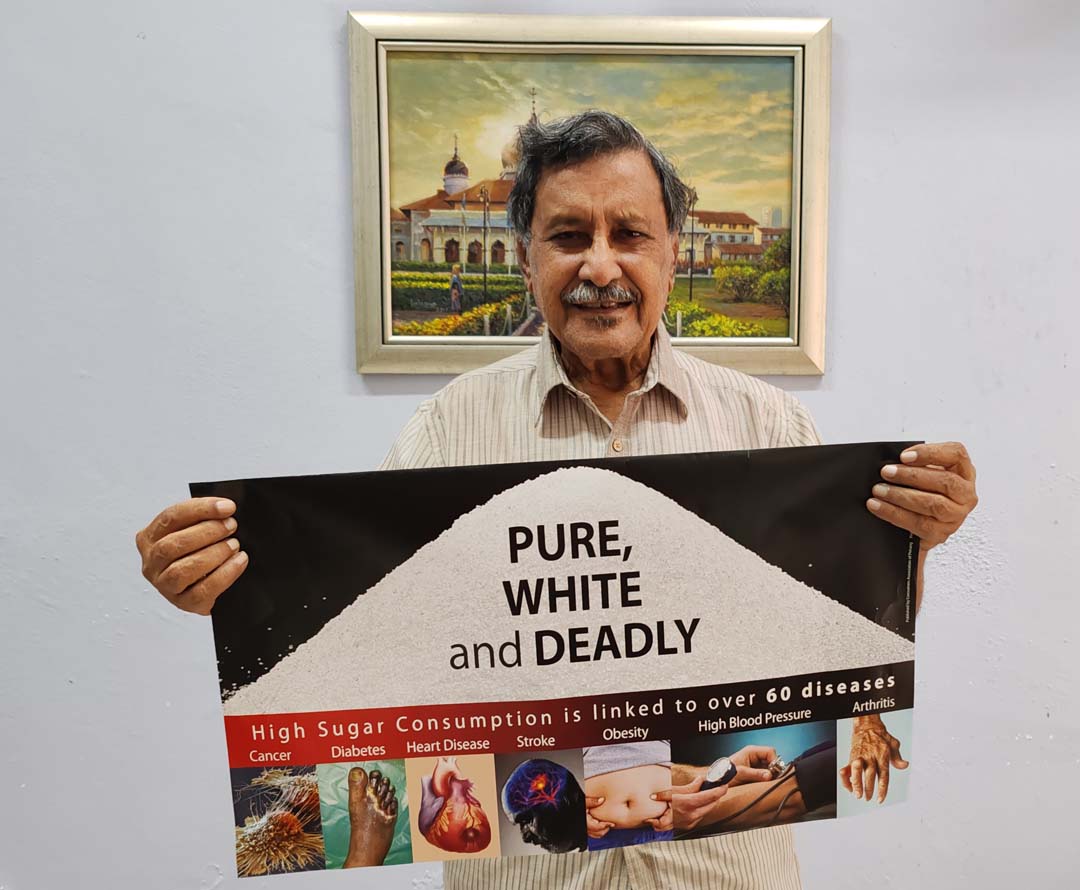
CAP’s Pioneering Community and Consumer Work – in a Book

People With A Purpose is a book on CAP’s activities and work on community issues and consumer-related matters in the early years. Authored by Troth and Dexter Tiranti, members of the editorial team of the New Internationalist magazine – who described CAP as “one of the country’s highly impressive people’s organisations” – it documents CAP’s important purpose of looking into...
Read More

Microorganisms: The Invisible Forces Sustaining Life and the Climate

Most people, apart from those in the scientific community, have very limited knowledge and understanding of the crucial role that microorganisms play in enabling life on Earth to exist. Unlike other living things that can be seen and heard, microorganisms are invisible to the naked eye. As the earliest forms of life, they are found everywhere on the planet, from the frozen reaches of the Arctic...
Read More

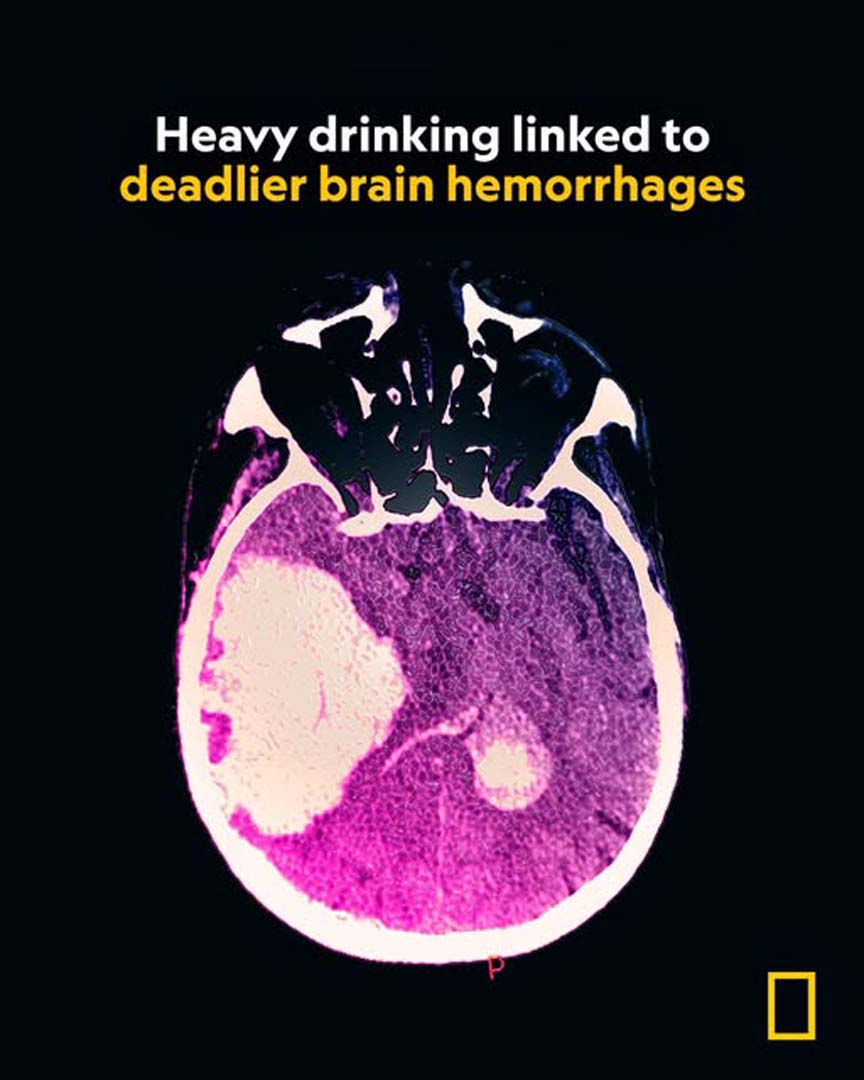
Heavy Drinking Linked to Deadlier Brain Haemorrhages

It’s long been known that heavy drinking raises blood pressure and damages the liver. But a new study suggests it may also deal a devastating blow to the brain – causing life-threatening haemorrhagic strokes. The study, published November 5 in Neurology, found that people who consumed 3 or more alcoholic drinks a day experienced bleeding strokes inside the brain an average of 11 years...
Read More

FLOATING SCHOOLS Bring Education to Remote Areas

In parts of the Philippines, where children once risked their lives crossing rough waters just to reach school, teachers have turned the tide – quite literally. Floating schools and boat classrooms are now bringing education straight to remote island and coastal communities. Here’s how it works. In Puerto Galera (Mindoro), the Sea Adventure School sails to coastal villages, teaching marine...
Read More

World Diabetes Day 2025: Urgent Call to Curb Malaysia’s Rising Diabetes Crisis

Mankind continues to suffer from the ever-growing diabetes epidemic and the rapid rise of type 2 diabetes mellitus (T2DM). Ibn Sina (980–1037 CE) commonly known as Avicenna, in his medical encyclopedia “Al-Qanun Fi Al-Tibb” (Arabic for The Canon of Medicine) had a description of diabetes’ symptoms and came out with the term Ziabetes” or “Dianetes” to reflect the polyuric nature of...
Read More

Eating Together Improves Children’s Academic Performance

Eating together as a family offers children more than just nutrition. Studies show family meals are literally linked to better grades. Researchers found that teens who had 4 or more family meals per week were significantly more likely to earn top grades. This practice is also a powerful boost for their language and literacy development – children who regularly eat with their families have been...
Read More

THE KANDY DECLARATION: A Collective Roadmap for Systemic Transformation

From 6 to 13 September 2025, over 700 delegates from more than 100 countries gathered in Kandy, Sri Lanka for the 3rd Nyéléni Global Forum for Food Sovereignty. Peasants, Indigenous Peoples, pastoralists, fishers, feminist movements, youth, workers, and activists united across continents to renew the global struggle for justice, dignity, and life – giving birth to the Kandy Declaration. More...
Read More

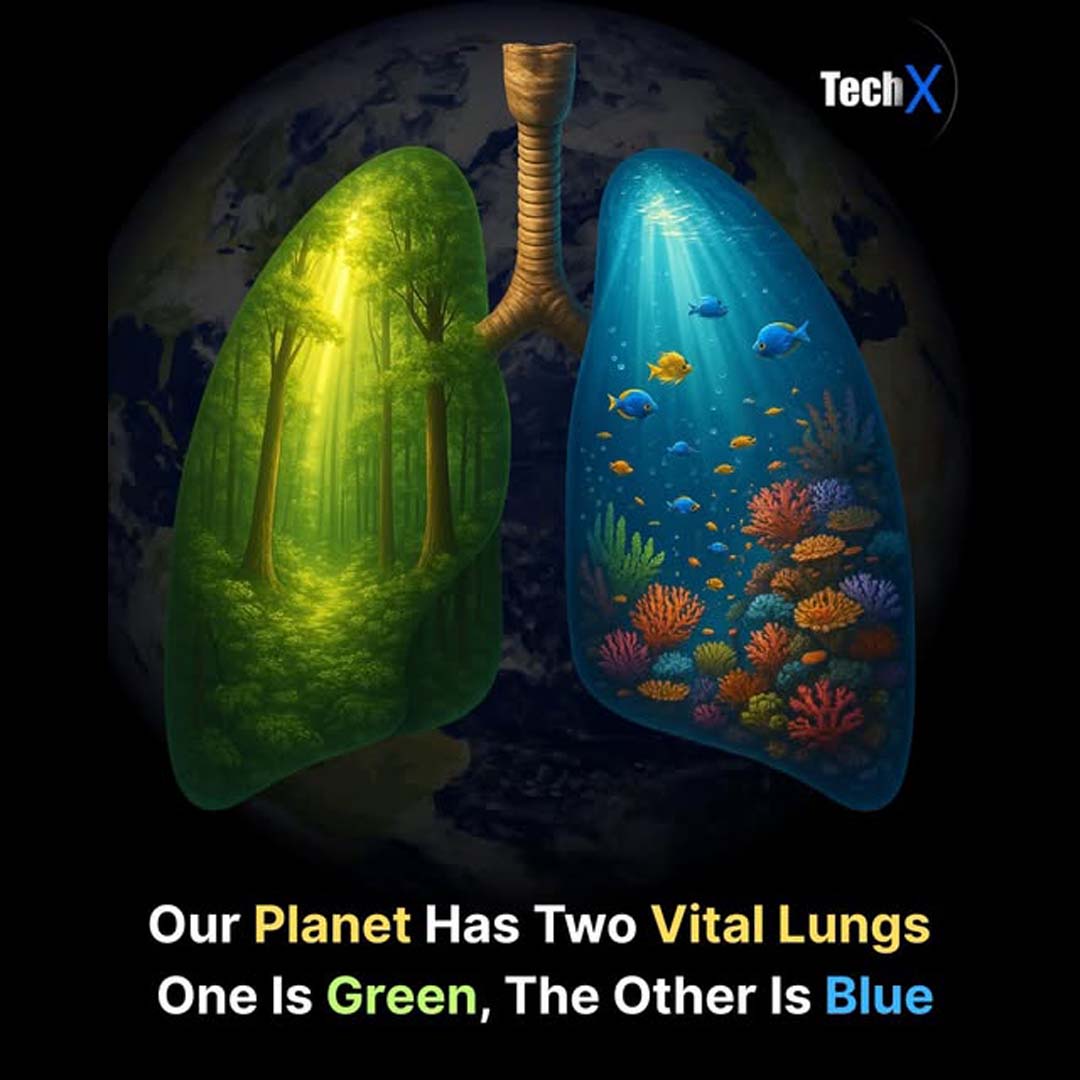
PROTECT EARTH’S TWO LUNGS

Two Lungs. One Earth. One Future. In this striking image, Earth’s lungs take form – one thriving with green forests, the other alive with coral reefs and marine life. Together, they symbolise the delicate balance that sustains life on our planet. Forests and oceans aren’t just natural beauty – they are our planet’s life support systems. They breathe for us, purify the air, regulate the...
Read More

BIG HEALTH BENEFITS from Walking Just 7,000 Steps a Day

Walking just 7,000 steps (about 3.5 miles, or 5.6km) a day could significantly improve your health and lower your risk of serious diseases, according to a recent analysis of over 50 studies published in the last decade. While many people have heard the advice to hit 10,000 steps a day, this new research suggests that 7,000 steps might be a more realistic, and still powerful target, especially...
Read More