
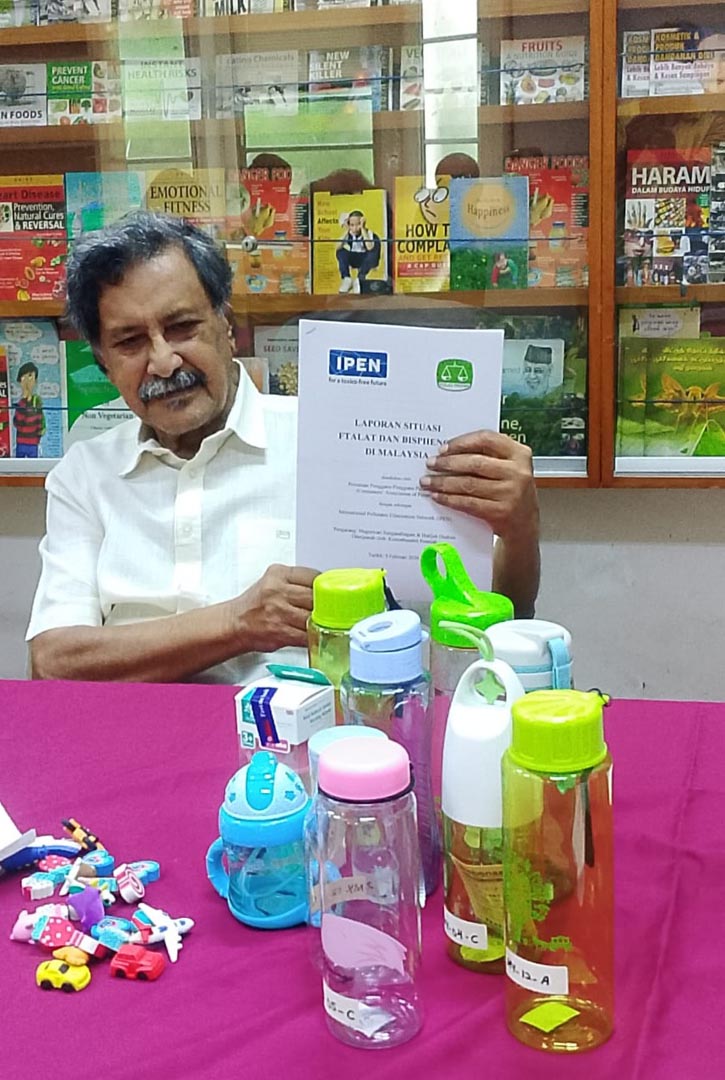
CAP: Comprehensive Regulatory Measures Needed to Protect Public Health from Phthalates and Bisphenol
The Consumers’ Association of Penang (CAP) calls on the Malaysian government to promulgate comprehensive regulatory measures to ensure public protection from harmful plastic additives such as phthalates and bisphenols.
Phthalates and bisphenols are compounds widely used as raw materials in the production of plastics, making them pervasive in daily life. Chronic exposure to these chemicals can adversely affect the endocrine system and the functioning of multiple organs. This may lead to long-term negative impacts on pregnancy outcomes, child growth and development, and reproductive health in both young children and adolescents.
Several studies on phthalates and bisphenols have been conducted in Malaysia. The findings include the following:
- A study assessing levels of phthalates in inexpensive toys sold at local markets in Kuala Lumpur, conducted by researchers from Universiti Putra Malaysia, found that all 30 toys analysed exceeded the European Union limit, indicating that phthalates used as plasticisers remain prevalent in toys.
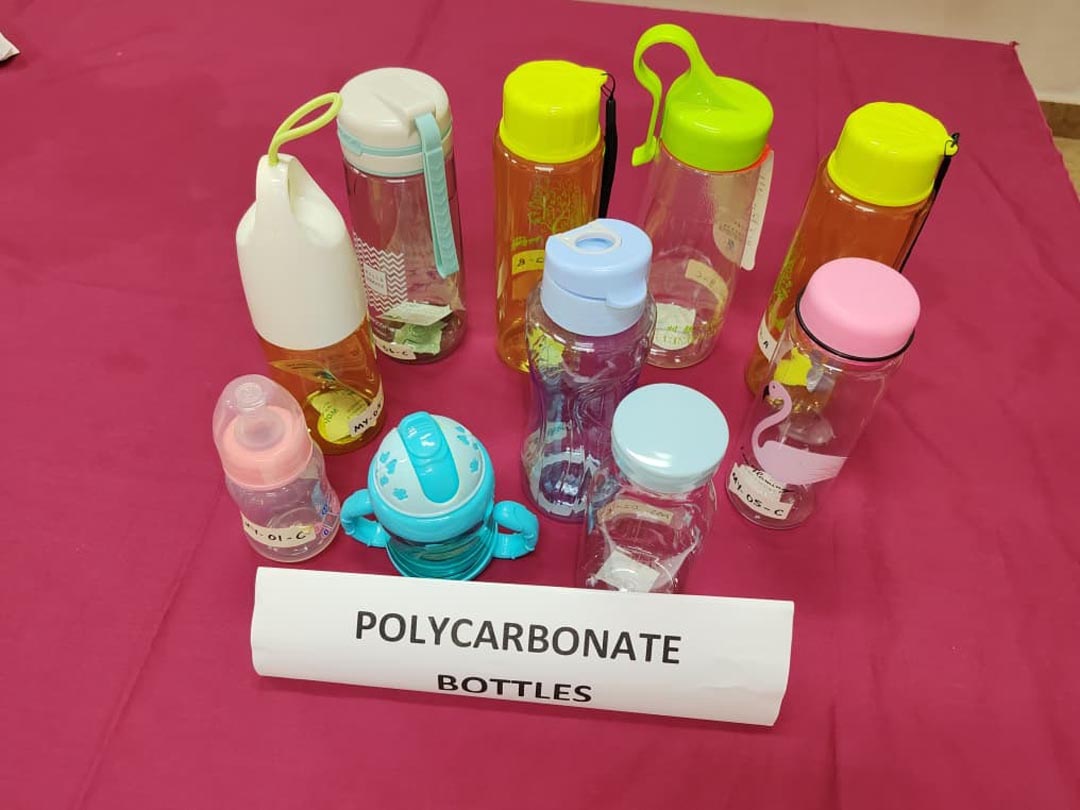
- A study carried out by CAP in collaboration with the International Pollutants Elimination Network (IPEN) detected Bisphenol A (BPA) in all nine Malaysian samples of polycarbonate bottles tested. The levels of BPA ranged from 0.3 to 5.8 ppb (parts per billion).
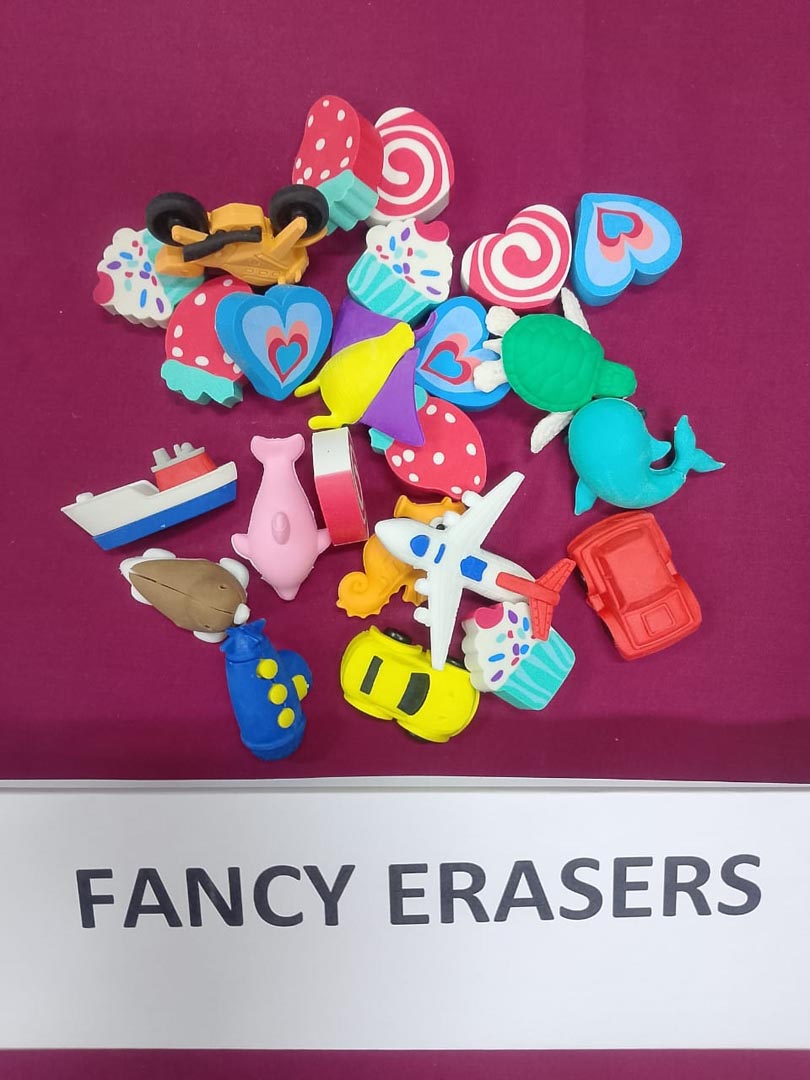
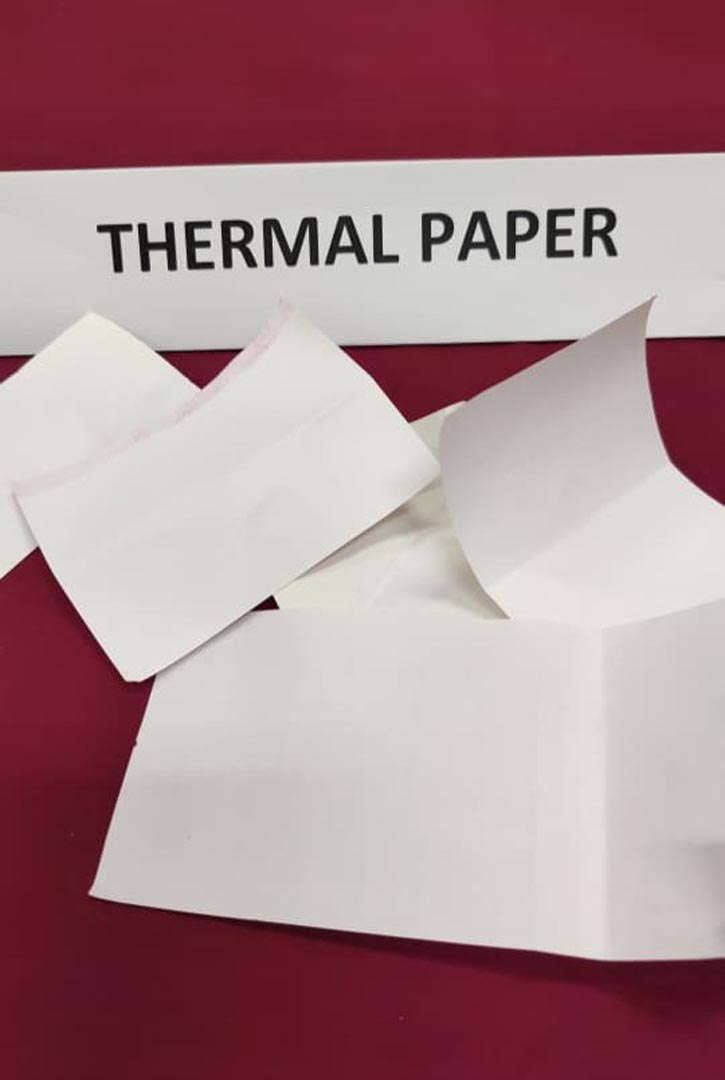
- CAP, in collaboration with an organisation from South Korea, tested for the presence of bisphenols in thermal paper and phthalates in erasers. Out of 44 thermal paper samples purchased in Malaysia, 27 contained BPA and 13 contained Bisphenol S (BPS). In the eraser study, phthalates were detected in 26 out of 40 samples tested.
- In another study conducted by CAP in collaboration with IPEN on recycled high-density polyethylene (HDPE) plastic pellets collected from a recycling plant in Penang, BPA, UV stabilisers, and brominated flame retardants were detected. The presence of BPA suggests that polycarbonate plastics were likely included in the recycling process.
- A study by researchers from Universiti Malaya analysing 18 endocrine-disrupting chemicals (EDCs) across different food categories in Malaysia found bisphenols to be the most abundant EDCs, followed by PFAS and parabens. Bisphenol levels in canned foods, dairy products, canned drinks, fruits and vegetables ranged from 1.16 to 183 ng/g.
- A study was conducted by researchers from Universiti Putra Malaysia to investigate the effect of storage conditions on release of Bisphenol A (BPA) from polycarbonate (PC) and polyethylene terephthalate (PET) bottled water. Results showed that BPA migrated from PC and PET water bottles at concentrations ranging from 9.13 to 257.67 ng/L and 11.53 ng/L to 269.87 ng/L. Concentrations of BPA were higher in PET bottled water compared to PC bottled water across all storage conditions. Higher storage temperature and longer storage duration increased BPA concentrations in PC and PET bottled water. Concentrations of BPA in bottled water which were kept in a car and were exposed to sunlight were higher than control samples which were stored indoor at room temperature.
Malaysia has implemented regulations to curb the use of phthalates and bisphenols in certain products, such as prohibition of BPA in feeding bottles. However, Malaysia currently lacks regulations on chemical transparency and traceability in plastics. Hence, consumers have no way of avoiding these toxic groups of chemicals. The Department of Environment has established the Malaysia Environmentally Hazardous Substances (MyEHS) System but currently phthalates and bisphenols are not included in the list of registered chemicals.
There is sufficient evidence to indicate widespread exposure to toxic chemicals, as many Malaysian samples were found to contain phthalates and bisphenols. Given this situation, there is an urgent need for the Government to:
- Introduce comprehensive regulatory measures to ensure public protection from harmful plastic additives, phthalates and bisphenols.
- Include phthalates and bisphenols in the MyEHS system and proposed National Priority Chemical List.
- Raise public awareness of health risks associated with bisphenols and phthalates.
- Impose bans on phthalates and bisphenols in all consumer products.
Mohideen Abdul Kader
President
Consumers’ Association of Penang
Press Statement, 15 April 2026
The report can be accessed at
https://ipen.org/sites/default/files/documents/phthal-bisp-malaysia_2026_full-en.pdf https://ipen.org/sites/default/files/documents/phthal-bisph-malaysia2026_malay.pdf