
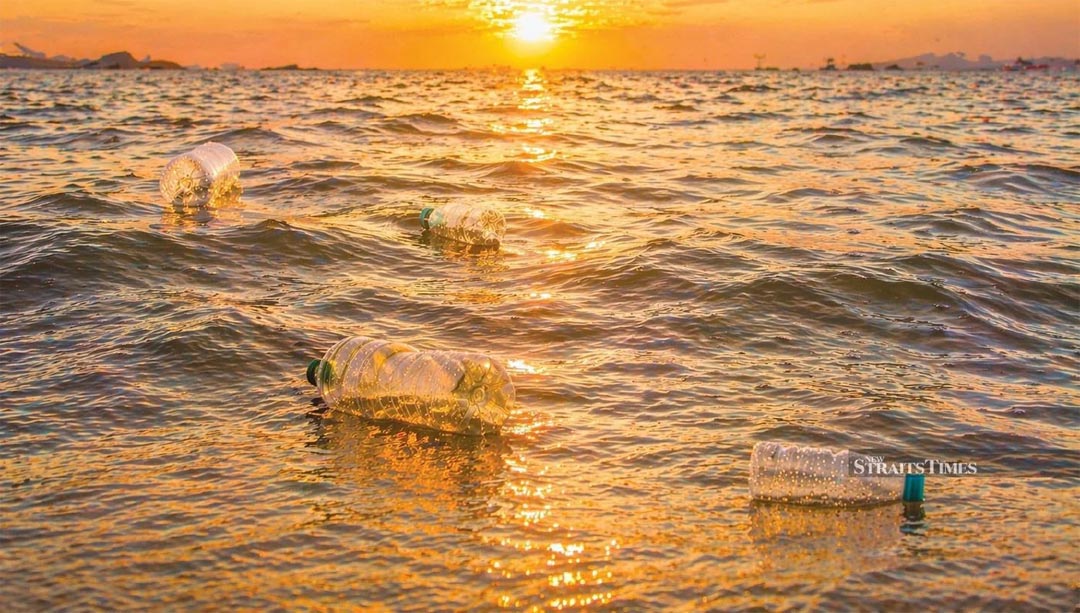
Daily Plastic Use a Factor in Malaysia’s Microplastics Crisis
Malaysia’s growing microplastics crisis is largely self-inflicted, driven by domestic waste, weak recycling practices and everyday plastic use, said experts.
Universiti Sains Malaysia marine scientist Professor Datuk Dr Aileen Tan said the issue was no longer a future risk, but an ongoing environmental crisis affecting marine ecosystems and seafood.
“The key point is that we are not anticipating future impacts, we are already observing them.
“Microplastics are affecting coral health, altering marine food chains and entering the human diet.”
She said most microplastics in Malaysian waters originated from the country, including mismanaged waste, river run-off, wastewater discharge and the breakdown of everyday plastic products.
She warned that continued exposure could intensify pressure on marine ecosystems and seafood supply, with effects likely to build over time and be compounded by other environmental stresses.
“This can lead to growing concerns over seafood safety and quality, which may affect consumer confidence and coastal livelihoods.”
Universiti Utara Malaysia maritime affairs expert Dr Zaki Ahmad said Malaysia must move beyond reactive measures and address the root causes of marine plastic pollution.
“What is required is a decisive shift towards a whole-of-society strategy, one that mobilises every layer of Malaysia’s socio-economic fabric in a coordinated and sustained effort.”
He said solutions from other countries could not simply be applied locally without adjustment, pointing to differences in governance and social context.
“Lessons drawn from elsewhere cannot be transplanted wholesale without careful adaptation to domestic contexts.”
He said environmental awareness should begin early, calling for stronger education and long-term public engagement to reduce reliance on single-use plastics.
“From the earliest years of schooling, students should be nurtured to understand not only the importance of protecting the environment, but also the fragility and inter-connectedness of the ecosystems that sustain their future.”
Both experts called for stronger waste management, improved recycling systems and wider public participation in reducing plastic pollution.
Source: New Straits Times (18 April 2026)