
Eco-Friendly Gardening Ideas
If you’re thinking of starting a garden, or already have one, practise earth-friendly gardening. An environmentally-sustainable garden doesn’t have to be costly. You can reuse and repurpose your household “trash” into functional garden treasures.
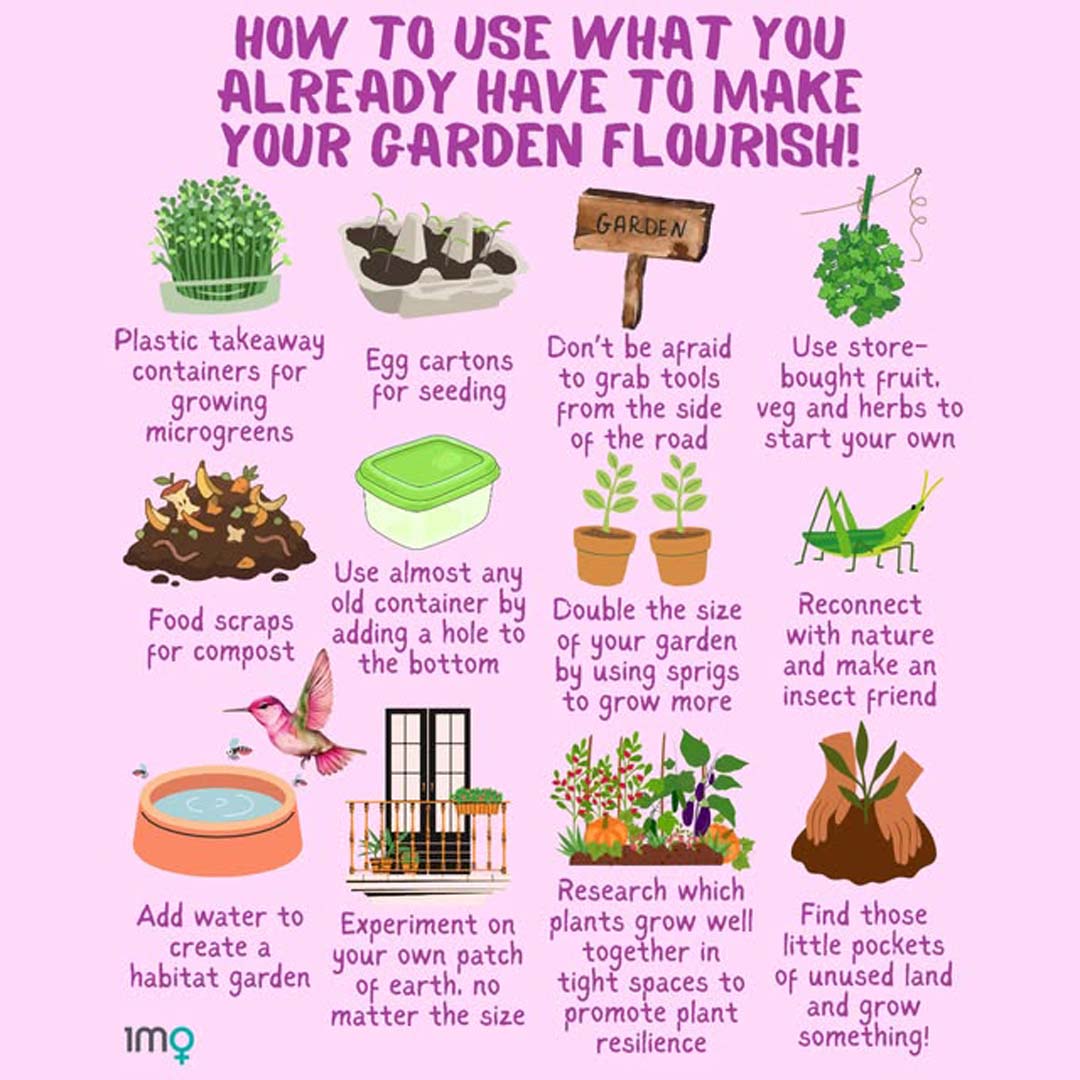
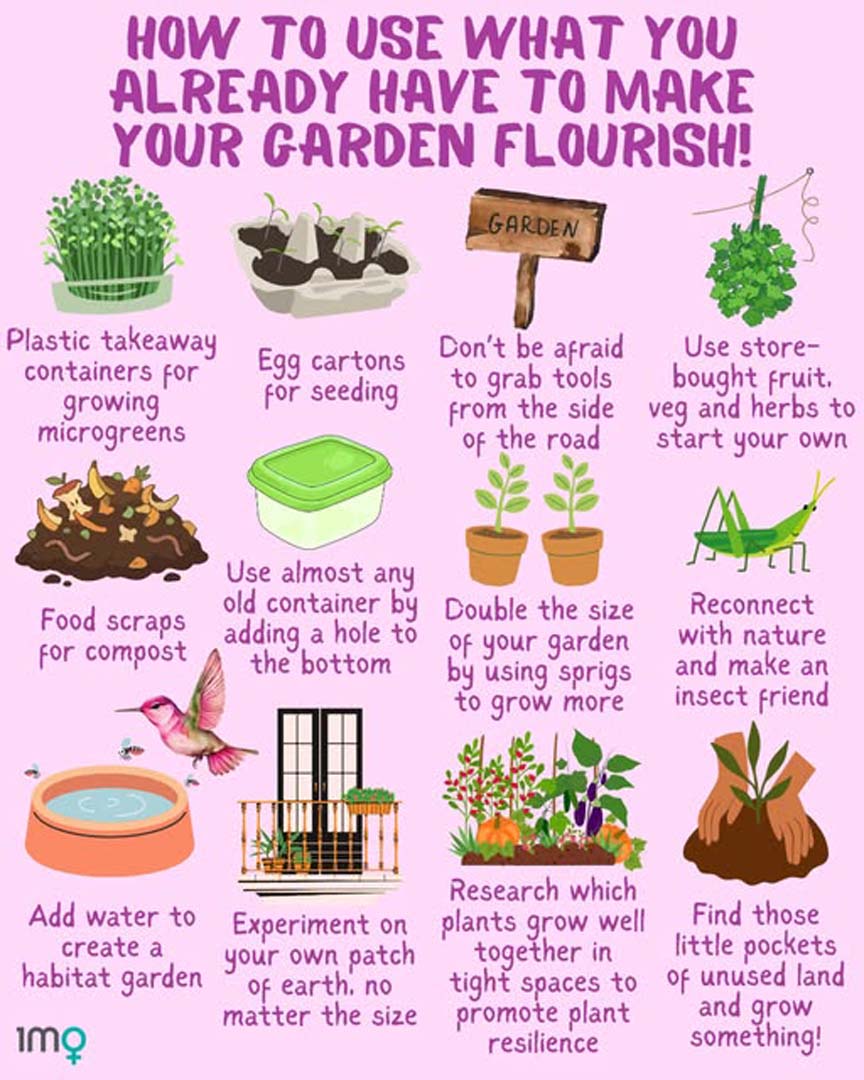
Upcycle plastic bottles into planters, egg cartons into seed starters, or old drawers into raised beds. Reusing materials saves money, reduces waste, and gives your outdoor space a unique, personalised charm.
A sustainable garden is also one that is inviting to birds and has good insects to keep pests at bay. Insects act as vital pollinators for fruits and vegetables and serve as a crucial food source for birds, while birds act as natural pest controllers. Together, they create a balanced, self-regulating ecosystem that eliminates the need for harmful chemical pesticides.
Invite birds into your garden by providing them with food, water, and shelter. Leave a few undisturbed, natural areas in your yard to create a welcoming habitat for beneficial bugs and pollinators.
Grow native plants as they are naturally adapted to local climate and soil conditions, meaning they often require less water, fewer fertilisers, and minimal intervention to thrive. Many also provide essential habitat and food sources for beneficial insects and pollinators, strengthening local biodiversity.
Gardening can be resource intensive, but a little thought can save a lot of waste. Grass clippings and other plant waste can go on the compost heap. Fallen leaves can be used as mulch. Branches and twigs from pruning can be left in small bundles in a quiet corner or at the back of borders as a home for little creatures. Empty compost bags can be used to line wooden planters to help prevent rot. And if you have extra seedlings, share them with friends, neighbours or colleagues.
For an eco-friendly garden, rainwater is better than the tap. It’s also cheaper, and healthier for your plants too as it’s chlorine-free. Install large containers to catch rainwater to water your plants. You can even save your bath or shower water – known as grey water – it’s safe for garden plants despite the soapsuds, but avoid using on edible plants.
Environmentally friendly gardening is all about working with nature rather than against it. By embracing sustainable gardening practices, you can make a significant contribution to the well-being of the environment while enjoying the benefits of a thriving garden.
There are many other ways to garden for the planet. Check out the graphic below for ideas for a practical and rewarding garden – with the environment in mind.