
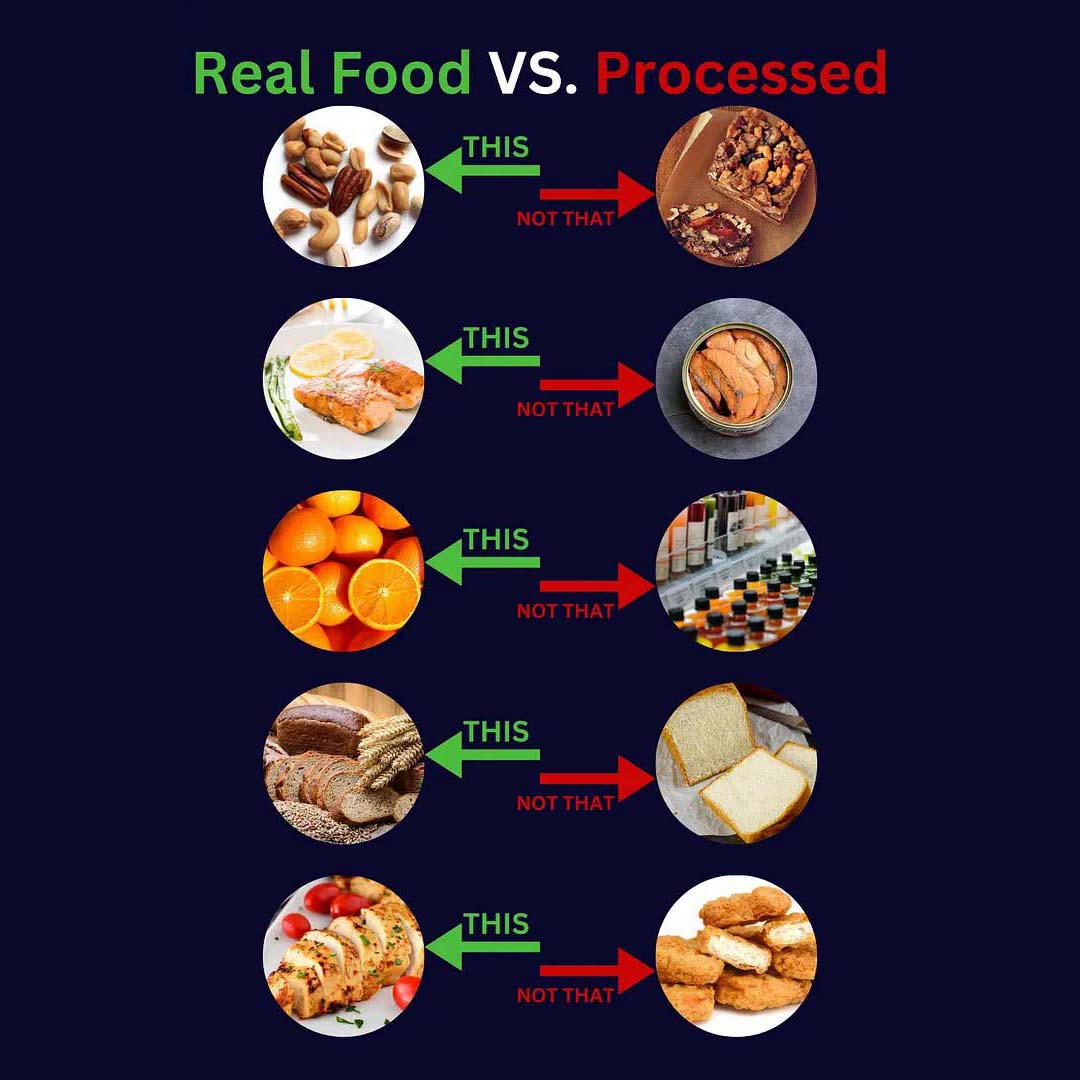
HOW REAL IS YOUR FOOD ─ If It Needs Marketing, It Probably Isn’t Real Food
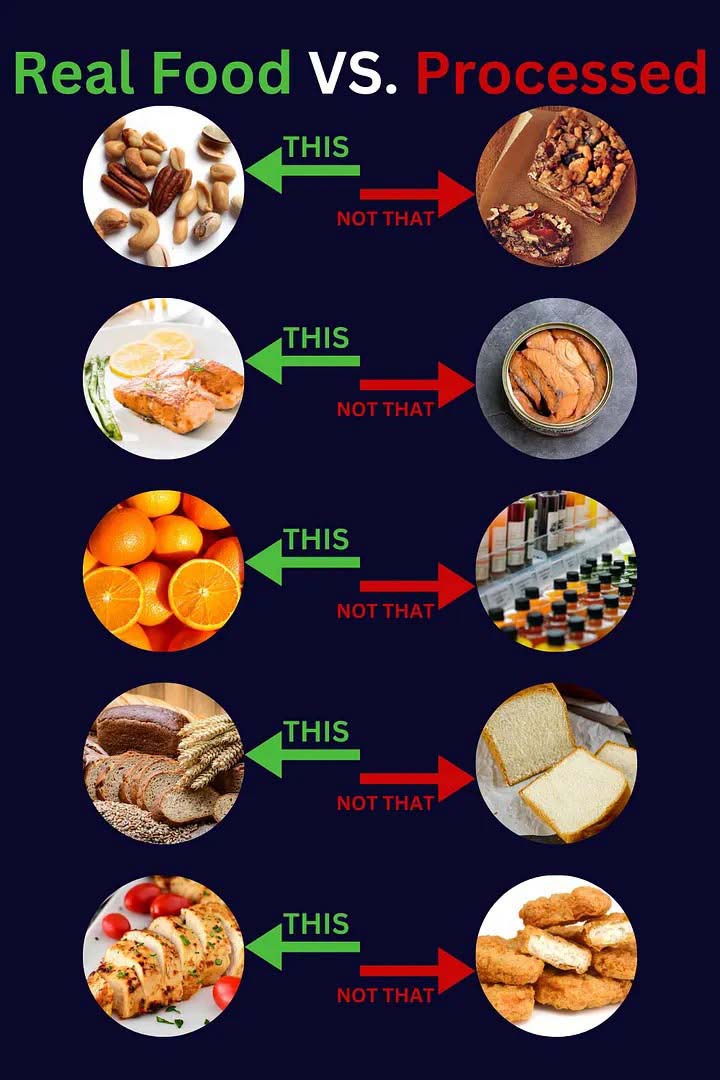
Real food rarely needs a campaign. An apple does not need to convince you it is “made with real ingredients”. Beans don’t need a badge on the package saying they support gut health. They are what they are. Simple. Recognisable. Built by nature before the food industry learned how to turn nourishment into a business model.
The grocery store has changed completely over the last 50 years. Nutrient-dense whole foods have been crowded out by products designed in labs, tested for cravings, packaged with health claims, and positioned to look like the solution to the very problems they help create.
Now we walk through aisles filled with “better-for-you” snacks, breakfast bars, protein cereals, zero-sugar desserts, plant-based swaps, low-carb treats, gut-friendly drinks, and foods that have to shout about what they contain because the actual ingredient list tells a different story.
This does not mean every packaged food is bad. Frozen vegetables can be a gift on a busy night. Rolled oats, canned beans, nut butter, lentils, whole grain pasta, and simple prepared foods can make it easier to eat well in real life.
The problem is not processing itself. The problem is when food is taken so far from its original form that your body is no longer receiving a meal so much as a manufactured experience. Flavourings to keep you eating. Sweeteners to make it feel harmless. Gums and emulsifiers to create the right texture. Dyes to make it look more appealing. Isolates and additives to turn cheap ingredients into something that feels like food.
And then the front of the package does the rest: “Natural”. “Wholesome”. “Plant-based”. “Only 100 calories”. “High protein”. “Gut healthy”. But your body does not eat the marketing. Your gut does not digest the promise on the label. It has to deal with what is actually inside.
That is why the simplest test is often the most powerful one: How far has this food been taken from what it used to be?
A potato and a potato chip are not the same message to the body. Whole oats and a frosted breakfast bar are not the same message. Beans in a pot and a “fibre-fortified” snack built from refined starches, oils, flavours, and sweeteners are not the same message. One still speaks the language your body recognises. The other is trying to imitate it. And over time, that difference matters.
When most of your diet comes from foods that still look like food, your body receives more of what it was designed to use: fibre, minerals, natural fullness, slow energy, and nourishment that works with your gut instead of constantly challenging it.
The message is not about fearing every package, avoiding every convenience, or pretending modern life gives everyone hours to cook from scratch. It is about learning to see the trick. The more a product has to persuade you it is healthy, the more important it becomes to turn it around and ask what it actually is. If it needs marketing, it’s probably not real food.
Source: The Art of Anti Aging