

SILENT BRAIN HACKER
Why We Need to Periodically Disconnect from Our Phones
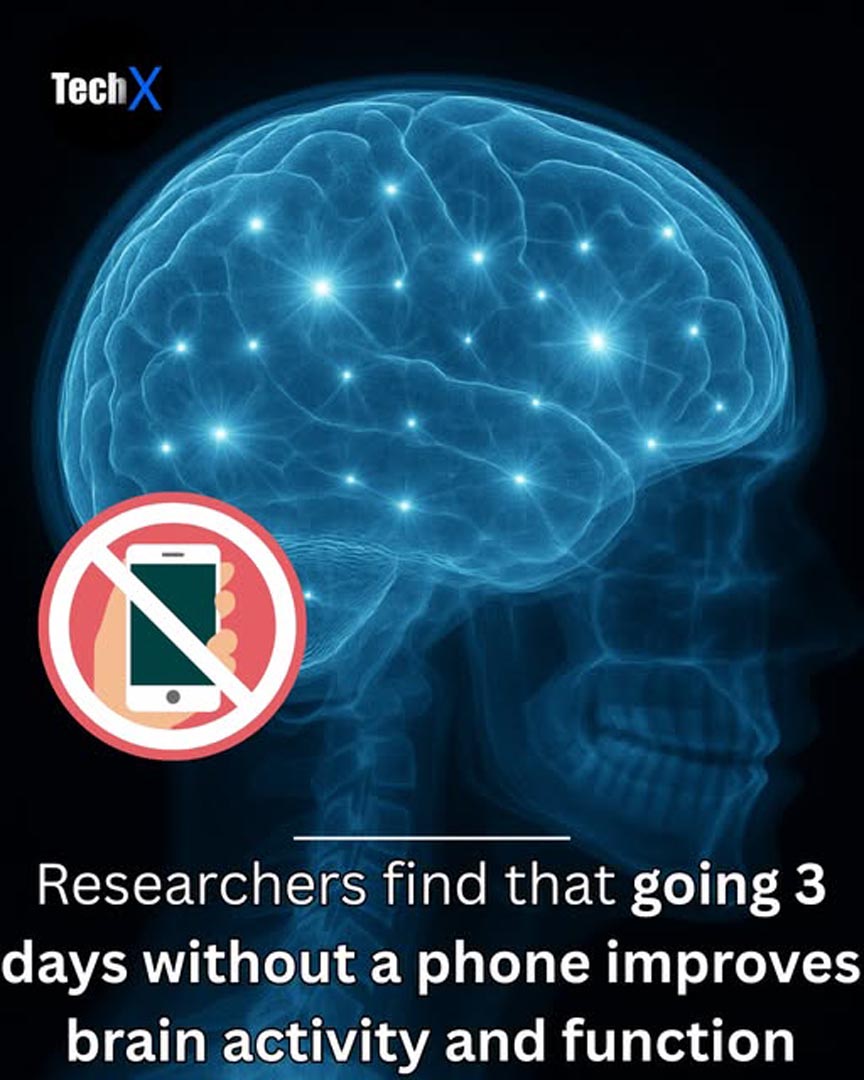
A recent study suggests that taking a 3-day break from using a smartphone can help reset the brain of someone addicted to it. Excessive phone use, especially social media and constant notifications, can overstimulate the brain’s reward system, leading to dependency similar to other forms of addiction. This overuse often results in anxiety, reduced attention span, and impaired cognitive function.
The study, by researchers at Heidelberg University and the University of Cologne, involved 25 young adults. It used MRI scans to observe changes in neural patterns after restricting phone use to only essential communications.
When participants were shown images of smartphones, their brain activity resembled patterns seen in substance addiction, particularly in areas linked to dopamine and serotonin – neurotransmitters responsible for reward and compulsive behaviour. This suggests that frequent phone use might trigger addiction-like responses in the brain. In other words, our phones might be hacking our brains just like addictive substances.
By going without a phone for 72 hours, the brain begins to adjust, reducing the compulsive need for constant digital stimulation. Researchers found that participants who disconnected for 3 days experienced lower stress levels, improved focus, and better sleep quality. Without the constant distraction of a phone, individuals also became more engaged in real-life interactions and activities.
This temporary “digital detox” allows the brain’s dopamine levels to stabilise, helping to break the cycle of instant gratification that smartphones encourage. While 3 days may not completely eliminate phone addiction, it serves as a crucial first step in regaining control over screen time and developing healthier habits.
Experts recommend periodic phone breaks to maintain mental well-being and prevent dependence, proving that even a short digital reset can have significant benefits for overall cognitive and emotional health.
This study doesn’t just call out addiction – it opens the door to rethinking how deeply smartphones are rewiring our social and emotional wiring.
References: Knowledge Junction; Hashem Al-Ghaili; Tech X