
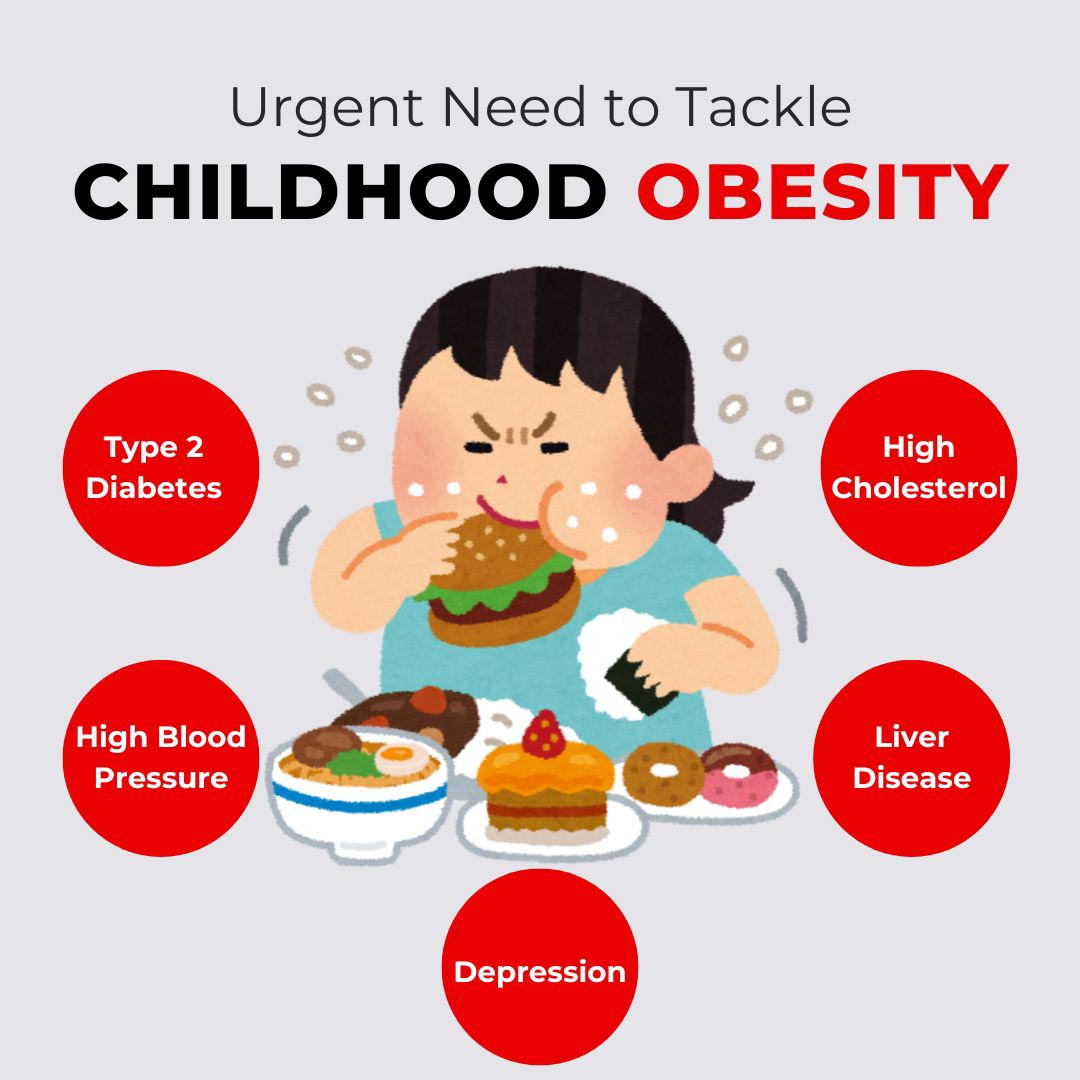
World Obesity Day: Urgent Action Needed to Tackle Childhood Obesity
Today, 4 March, is World Obesity Day. On this occasion, the Consumers’ Association of Penang (CAP) calls on Malaysians to practise a healthy lifestyle to reduce the risk of obesity, which is increasing at an alarming rate.
World Obesity Day is a global initiative that focuses on raising awareness of the severity of obesity, its health risks and preventive actions. It also recognises the root causes of obesity, increases knowledge of the disease, challenges weight stigma, and shifts the spotlight from individuals to the systems that shape our health.
This year, the campaign brings together everyone affected by overweight and obesity, with a particular focus on children. Studies have shown that childhood obesity levels in Malaysia are among the highest in Asia.
Children who are overweight or obese face an increased risk of developing serious health conditions such as type 2 diabetes, high blood pressure and high cholesterol – conditions once considered exclusively adult diseases.
Overweight and obese children are also more likely to become overweight adults, and obesity in adulthood carries more severe consequences. Obese children are more likely to have impaired glucose tolerance, insulin resistance, liver or gall bladder disease, gastro-oesophageal reflux disease (GERD), sleep apnoea, breathing difficulties such as asthma, joint problems and musculoskeletal disorders.
According to the Malaysian Mental Health Association, in addition to medical problems, overweight children may also suffer psychological issues such as low self-esteem stemming from being teased or bullied by peers. They may develop unhealthy dieting habits and eating disorders such as anorexia nervosa and bulimia, be more prone to depression, or be at risk of substance abuse.
Experts attribute the “fat phenomenon” in our country to a combination of poor eating habits, a diet high in calories, and a decline in physical activity, resulting in a caloric intake that exceeds the body’s requirements.
In addition, more meals eaten away from home, fewer family meals, and larger portion sizes may also have contributed to childhood overweight.
Furthermore, the boom in mobile entertainment devices and excessive screen time has contributed to children’s sedentary lifestyles. Children are now less physically active, as their entertainment has shifted from outdoor activities to indoor video games and television. To compound the problem, there is a lack of safe and conducive outdoor play areas, especially in urban settings.
According to the World Health Organization (WHO), globally, obesity and overweight have more than doubled since 1980.
In conjunction with World Obesity Day, CAP calls on Malaysians and the authorities to address the alarming rise in obesity, particularly among children. Highlighting the serious physical and psychological risks linked to childhood obesity, CAP urges stronger preventive measures, including healthier diets, increased physical activity, better food labelling, taxation of unhealthy foods, and improved recreational facilities to safeguard the health of future generations.
Mohideen Abdul Kader
President
Consumers Association of Penang (CAP)
Press Statement, 4 March 2026