
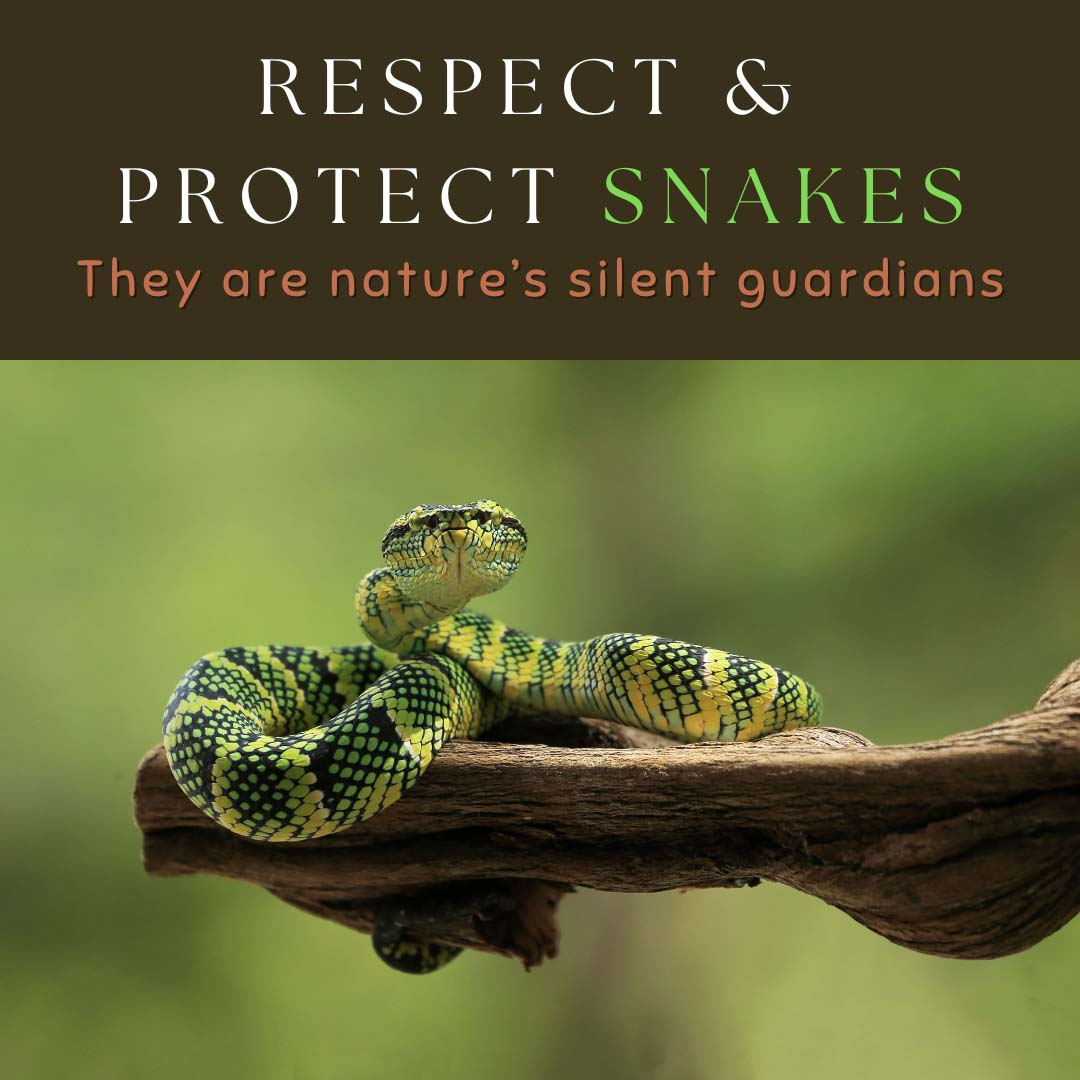
RESPECT & PROTECT SNAKES – They are Nature’s Silent Guardians
As the world marks World Snake Day on July 16, Consumers Association of Penang calls on Malaysians to rethink long-held misconceptions about snakes and recognise their indispensable role in sustaining healthy ecosystems and biodiversity.
This year’s theme, “Respect, Don’t Fear: Protecting Nature’s Silent Guardians”, carries a powerful message that challenges deeply rooted prejudices and encourages a more balanced understanding of snakes and their vital role in the natural world. It is a timely reminder that protecting snakes is not only about safeguarding wildlife but also about preserving the ecological balance on which human well-being depends. The theme underscores the urgent need to replace fear and persecution with understanding, respect, and conservation.
Unfortunately, fear and misinformation continue to fuel the unnecessary killing of snakes. Such fear, rooted in misunderstanding, leads to actions that harm both wildlife and the environment. As one of nature’s most misunderstood and unfairly maligned creatures, snakes are not enemies to be feared and killed but essential components of our natural heritage that deserve protection.
The reality is that most snake species are harmless to humans. Snakes do not actively seek out people or attack without provocation. In fact, they are generally shy and secretive animals that prefer to avoid human contact whenever possible. Most snakebite incidents occur when snakes are threatened, handled, or accidentally stepped on. Only a small proportion of snake species are venomous, and an even smaller number are responsible for serious human injuries or fatalities.
Snakes are important predators that help regulate populations of rodents and other small animals. Rats and mice can cause extensive damage to crops, contaminate food supplies, and spread diseases that affect both humans and livestock. By keeping rodent populations in check, snakes contribute significantly to agricultural productivity and public health.
Farmers, in particular, benefit from the presence of snakes in agricultural landscapes. Healthy snake populations provide a natural form of pest control, reducing the need for chemical pesticides that can have harmful effects on the environment. In this way, snakes support sustainable agriculture while helping to maintain ecological balance. Their role in food webs is equally important, as they serve as both predators and prey, linking different levels of the ecosystem and contributing to biodiversity.
Despite their immense ecological value, snakes face numerous threats. Rapid urbanisation, deforestation, agricultural expansion, and infrastructure development continue to destroy and fragment their habitats. Many snakes are killed on roads as they move between feeding and breeding areas. Others fall victim to the illegal wildlife trade or are deliberately persecuted because of fear and misunderstanding. Climate change is also altering habitats and disrupting the natural cycles on which many snake species depend.
The decline of snake populations should concern us all. When snakes disappear from an ecosystem, rodent populations can increase dramatically, leading to greater crop losses and heightened disease risks. Such imbalances can trigger a chain reaction that affects numerous other species and weakens ecosystem resilience. Protecting snakes is therefore not merely about conserving a single group of animals; it is about safeguarding the health, stability, and biodiversity of entire ecosystems.
On this World Snake Day, let us replace fear with knowledge and hostility with respect. Regardless of how one feels about snakes, they should not be killed. By simply performing their natural role, snakes provide invaluable services to people and the environment. They ask nothing in return but to be left alone.