
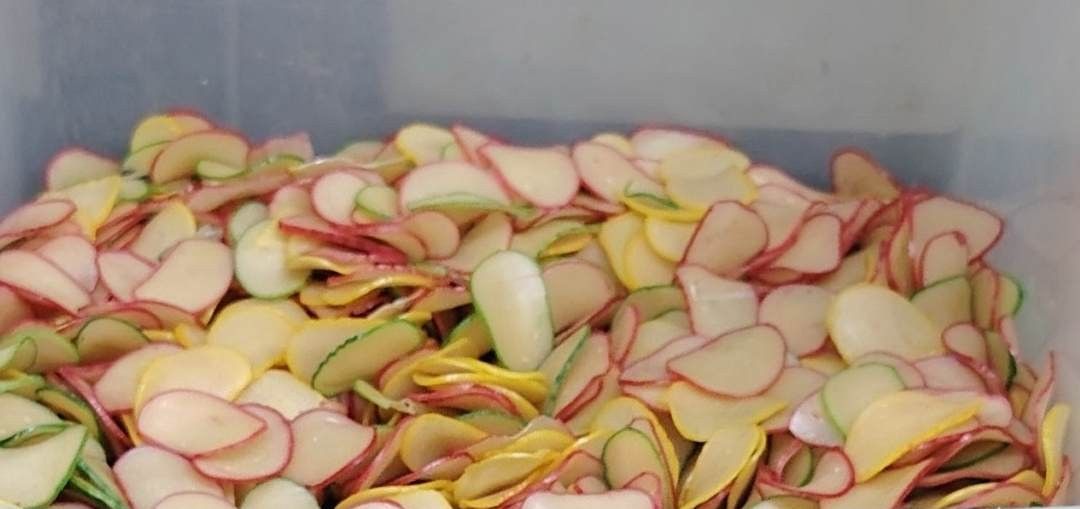
CAP Calls for the Removal of Excessively Coloured Papads from the Malaysian Market
The Consumers’ Association of Penang (CAP) calls on the Ministry of Health (MOH) to immediately investigate and remove from the Malaysian market any coloured papads found to contain excessive or prohibited artificial colouring agents that may pose a risk to public health.
CAP’s call is in view of the recent action taken by the Tamil Nadu Food Safety Department in India, which ordered a ban on the sale of coloured papads containing excessive artificial colouring agents due to serious health concerns, particularly children.
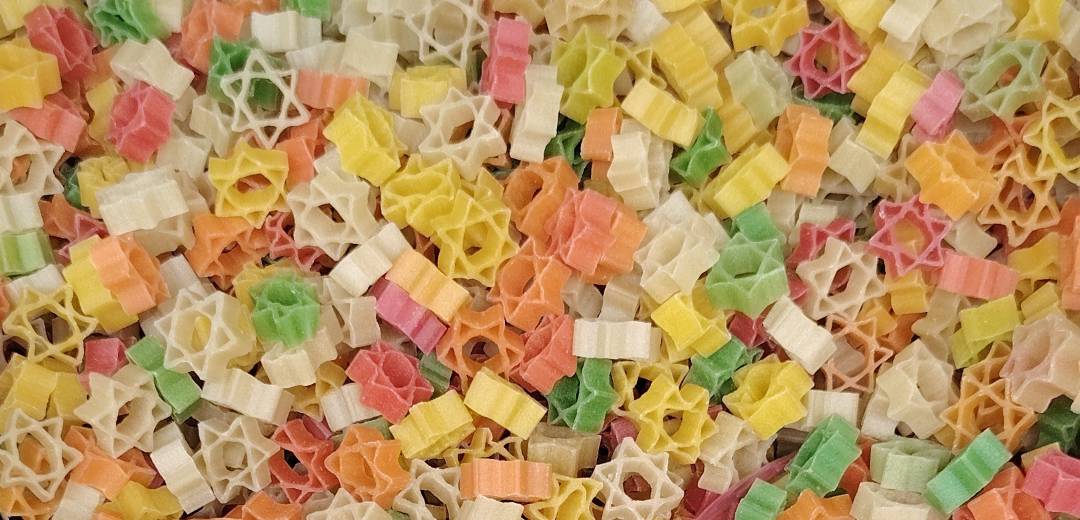
Adding to these concerns, a recent CAP market survey in Penang found that brightly coloured papads from India are still readily available in the local market. The products were found to be sold at affordable prices, with some retailing for as little as RM1.25 per 100 grams, making them easily accessible to consumers, especially children.
Their attractive colours and affordable prices make them appealing purchases for families, thereby increasing the potential risk of exposure if the products contain excessive or unapproved colouring agents.
According to the Tamil Nadu Food Safety Department, excessive consumption of synthetic colouring agents may contribute to digestive disorders, allergic reactions, and kidney-related complications. Long-term exposure to certain prohibited or excessive artificial food colourings has also been associated with an increased risk of serious diseases, including cancer. Children may be particularly vulnerable, with some studies linking certain artificial food colourings to behavioural problems such as Attention-Deficit/Hyperactivity Disorder (ADHD) in susceptible individuals.
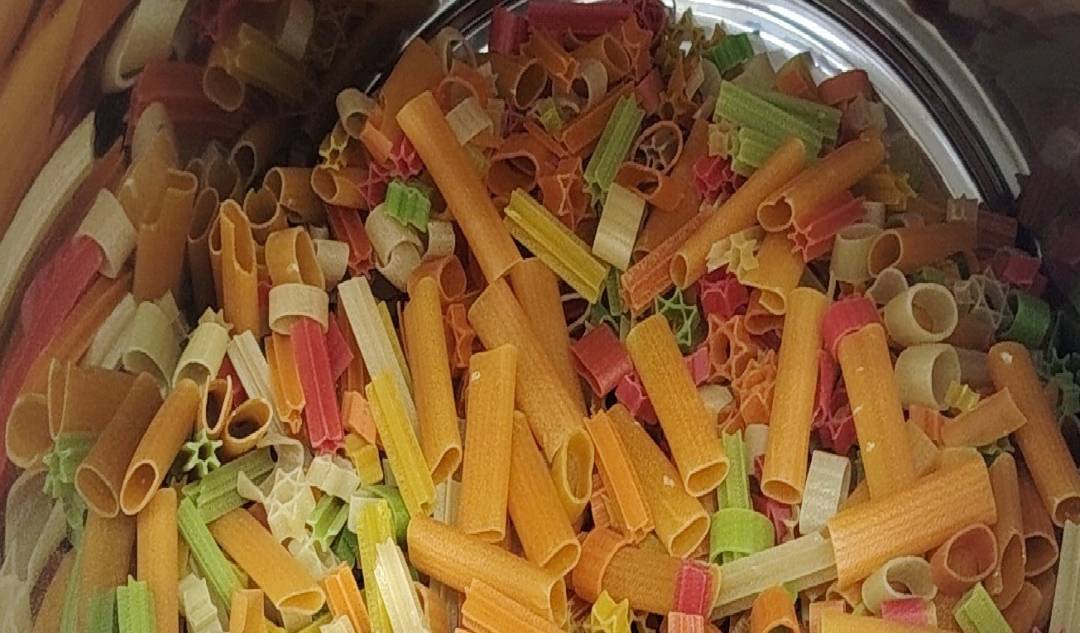
CAP urges the Ministry of Health to immediately conduct nationwide sampling and laboratory analysis of coloured papads sold in supermarkets, grocery stores, convenience stores, night markets, roadside stalls and imported food outlets. Products found to contain excessive levels of permitted colouring agents or prohibited substances should be recalled without delay, and appropriate enforcement action should be taken against importers, distributors and retailers responsible for placing unsafe products on the market.
CAP also calls on the Ministry to strengthen surveillance of imported snack foods and ensure full compliance with the Food Act 1983 and the Food Regulations 1985, particularly with regard to the use of permitted food additives and colourings.
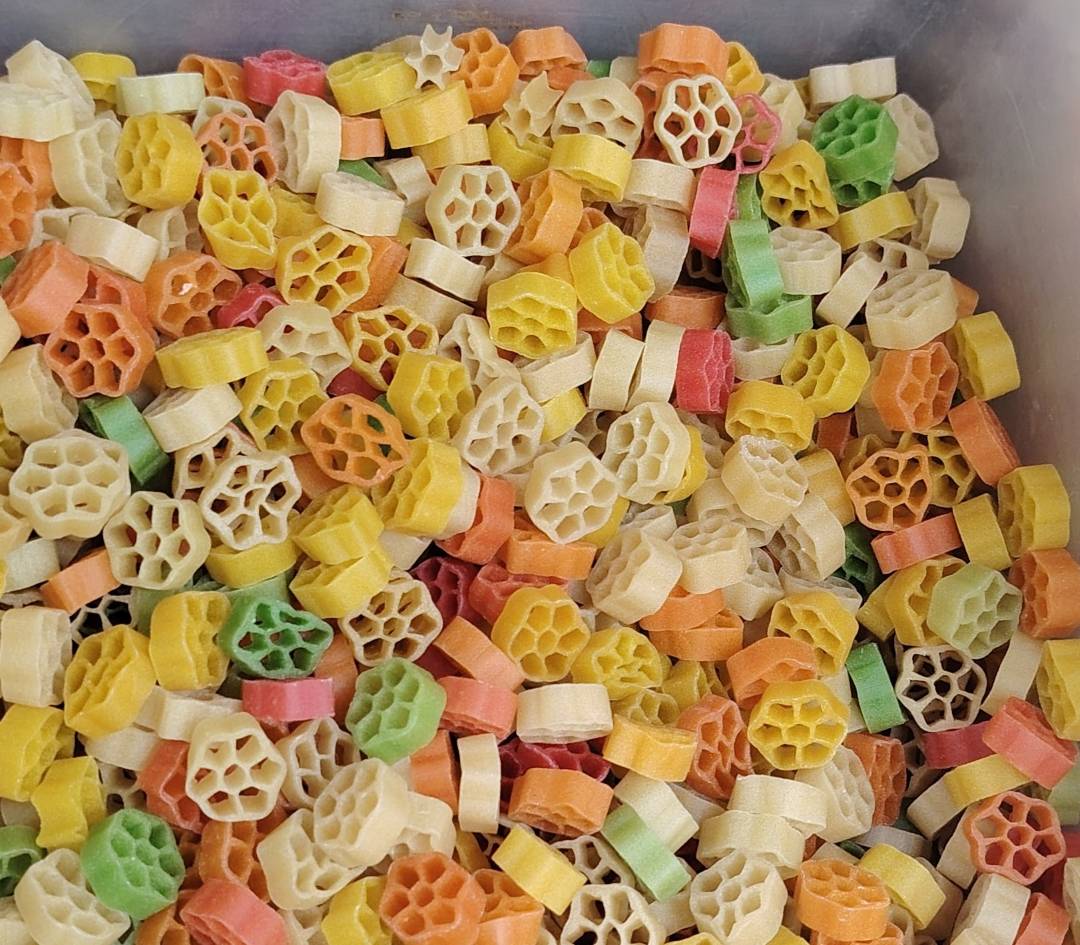
Parents are strongly advised not to be influenced by the bright appearance of these products when purchasing snacks for their children. Instead, consumers should choose traditionally prepared papads made from natural ingredients such as urad dal and rice flour, which do not rely on excessive artificial colouring to attract buyers.
The action taken by the Tamil Nadu authorities serves as an important reminder that Malaysia should adopt a precautionary approach to food safety. Preventive monitoring and enforcement are essential to protect consumers before unsafe products cause harm.
CAP urges the Ministry of Health (MOH), through its Food Safety and Quality Division, to immediately conduct laboratory testing on coloured papads currently being sold in the Malaysian market to determine whether they comply with the Food Act 1983 and the Food Regulations 1985, particularly with regard to the use of permitted food colouring and additives.
If any product is found to be non-compliant with Malaysian food safety standards, the Ministry should immediately order its recall, prohibit its sale and distribution, and take strict enforcement action against the importers, distributors and retailers responsible.
Mohideen Abdul Kader
President
Consumers’ Association of Penang
Press Statement, 13 August 2026