No products in the cart.

Category: Featured Article English

World Obesity Day: Urgent Action Needed to Tackle Childhood Obesity

Today, 4 March, is World Obesity Day. On this occasion, the Consumers’ Association of Penang (CAP) calls on Malaysians to practise a healthy lifestyle to reduce the risk of obesity, which is increasing at an alarming rate. World Obesity Day is a global initiative that focuses on raising awareness of the severity of obesity, its health risks and preventive actions. It also recognises the root...
Read More

Vanishing Healers: Safeguarding Malaysia’s Endangered Medicinal Plants

World Wildlife Day, observed annually on 3rd March, reminds us that biodiversity and human well-being are inseparable. This year’s theme, “Medicinal and Aromatic Plants: Conserving Health, Heritage and Livelihoods,” underscores the vital role wild plant species play in sustaining healthcare, cultural traditions and economic security. In conjunction with this occasion, the Consumers’...
Read More

Sweden Brings Textbooks Back into Classrooms

Sweden is investing 104 million euros to bring back printed textbooks, highlighting growing concerns over digital learning’s toll on student focus and skills. Discover how this bold move could reshape education everywhere. In a world where tech seems to run the show, Sweden’s education system is hitting the brakes on its all-digital approach. They’re bringing printed textbooks back into...
Read More

Regulate Finance to Safeguard Malaysia’s Forests and Communities

A new report by Sahabat Alam Malaysia (SAM), in partnership with the Forests & Finance Coalition (FFC), reveals that Malaysia’s financial regulatory sector is not yet fully aligned with the Global Biodiversity Framework (GBF)’s 2030 targets and highlights areas where further alignment could be considered. This report reviews key policies and guidelines published to date by Bank Negara...
Read More

Glyphosate Found in South Africa’s Staple Foods

National Ban Demanded after Shocking New Test Results Glyphosate and its toxic metabolite, aminomethylphosphonic acid (AMPA), have been detected in staple foods consumed daily by millions of South Africans. New laboratory results show glyphosate contamination in maize meal, wheat flour, bread, and baby cereal, with two products exceeding the legal default limit. The African Centre for...
Read More

Flying Foxes: Nature’s Unsung Forest Guardians in Decline

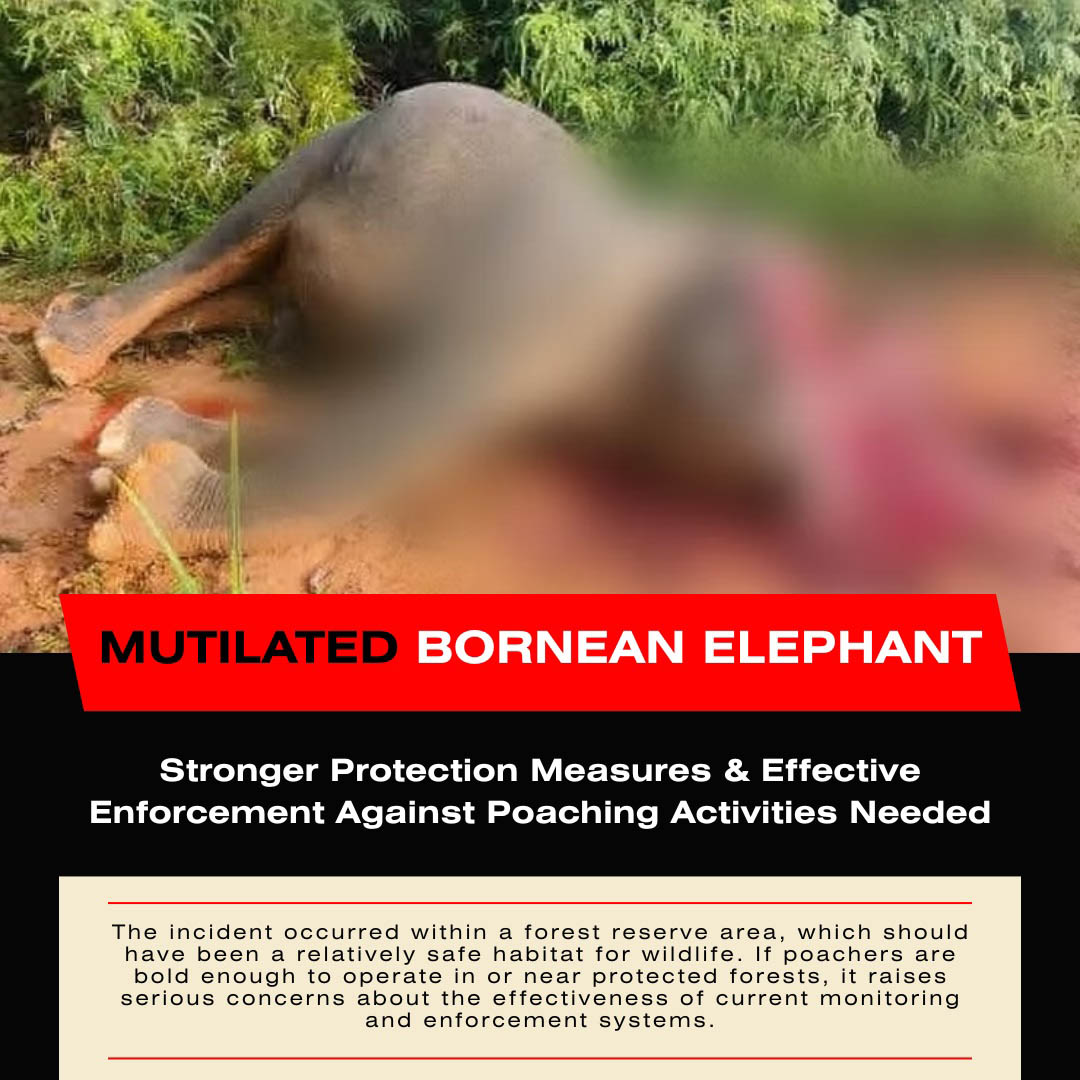
The Consumers’ Association of Penang (CAP) is alarmed by recent reports on the sharp decline of flying foxes and fruit bats, in Sabah. These often-misunderstood creatures are vital to the health of our forests and the sustainability of our ecosystems. Their decline should concern not only environmentalists, but all Malaysians whose livelihoods and well-being are tied to healthy forests and...
Read More

Floating Chariot Festival: Use Environment-friendly Alternatives Instead of Plastic

The Penang State Exco for Housing and Environment, the Consumers Association of Penang (CAP), The Penang State Green Council (PGC), The  Malaysia Hindu Sangam Penang State Council (MHSPSC) and the management of the Sri Singamuga Kaliamman Temple in Teluk Bahang, urge Hindu devotees not to use any kind of synthetic foam material or plastic during the celebration of Masi Maga Theppa Thiruvizha, a...
Read More

PLASTIC-PACKAGED READY MEALS: Hidden Health Risks

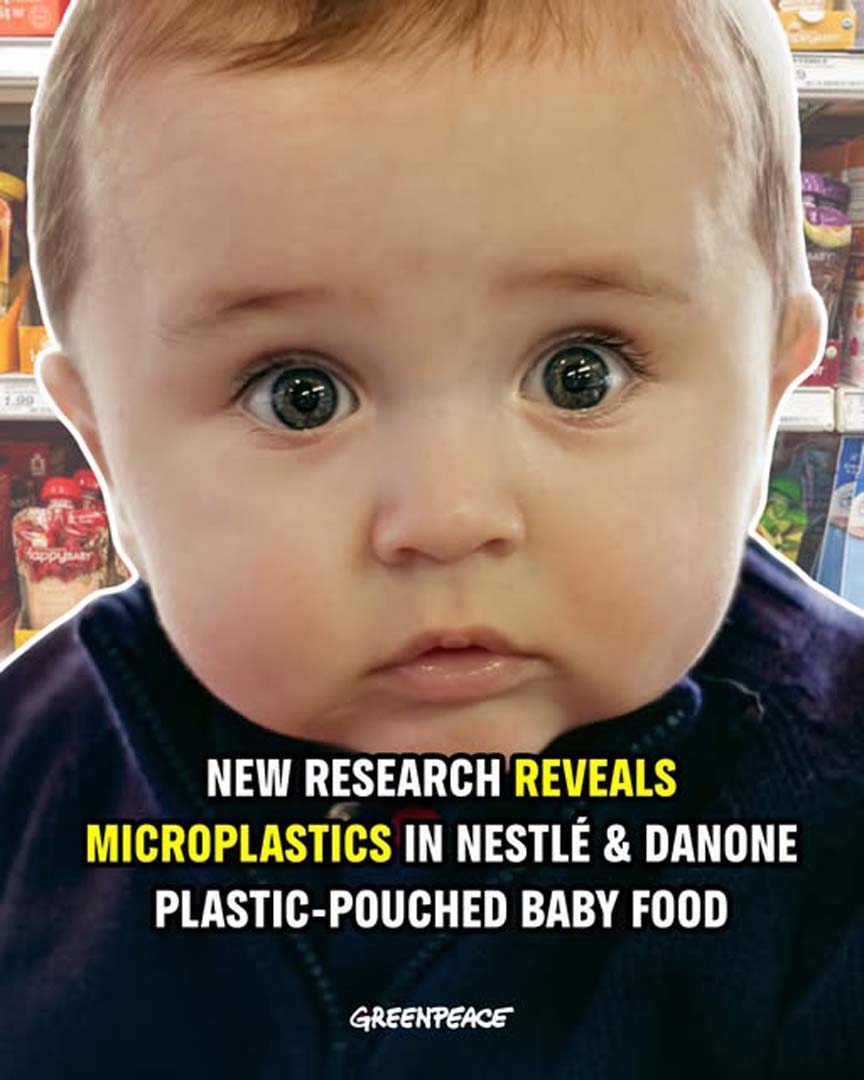
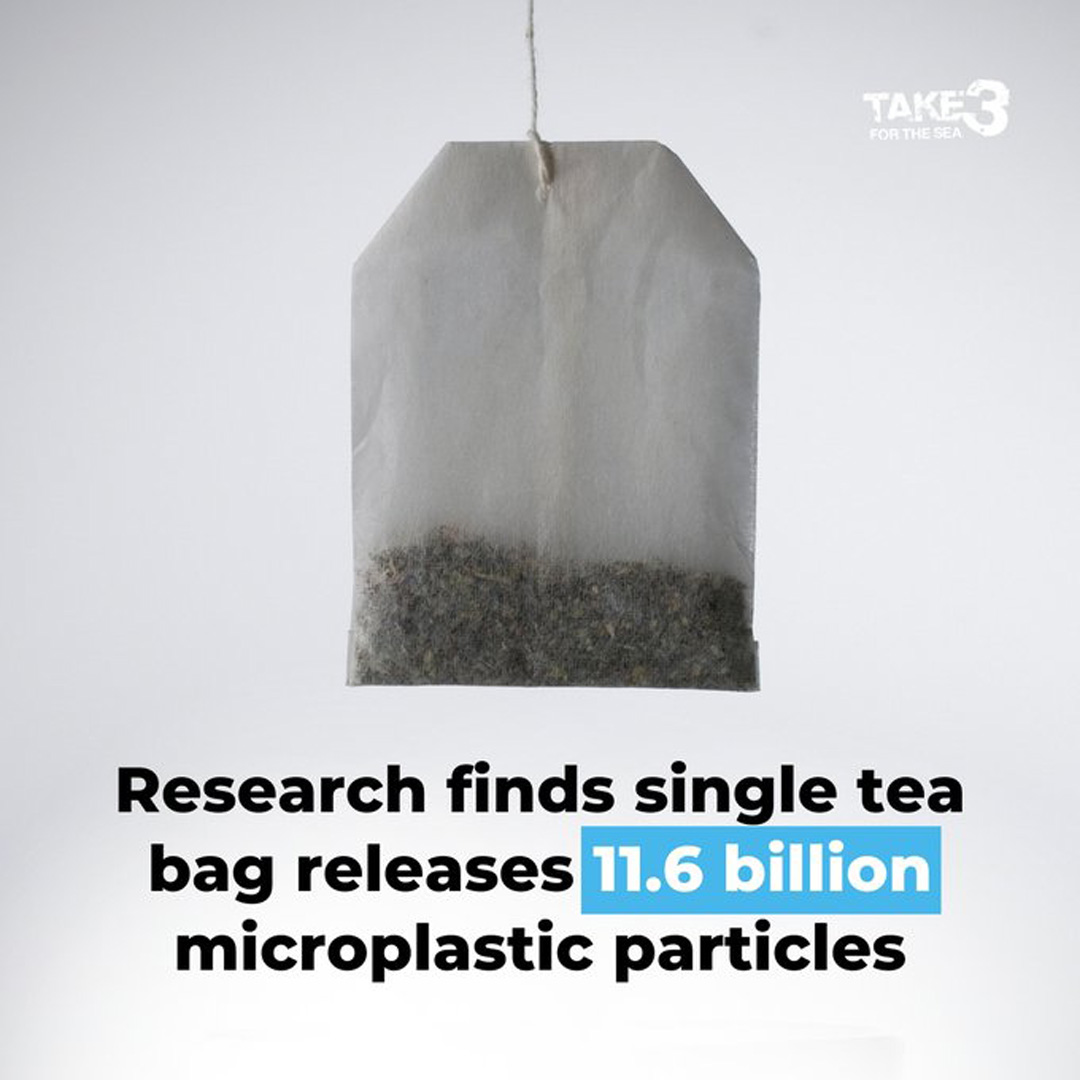
We live busy lives. Many people rely on the convenience of reheating plastic-packed ready meals or hot takeaways in plastic trays. But there could be a hidden cost behind this convenience – a potentially dangerous dose of microplastics and chemical additives. Greenpeace International analysed 24 articles in peer-reviewed scientific journals and found that the plastics we use to package our...
Read More

OUR AMAZING LIVING EARTH

The Earth is our home, and is full of life, mystery, and resilience. Here are more than a few reasons on why we should continue to protect it from plastic pollution and its toxic impacts! Scientists estimate that there are 8.7 million species on Earth! 165,000 of them are species of butterflies and moths. The Amazon rainforest is the largest forest in the world, spanning over 9 countries. On...
Read More

How the Global Flower Trade Poisons Workers

Roses account for 66% of Ecuador's total flower output, a figure that propelled the country in 2024 to become the world’s third-largest exporter, with more than 2 billion stems sold annually, behind only the Netherlands and Colombia. However, Ecuadorian scholars and campaigners question whether the economic opportunities it offers can really secure producers’ futures – or perhaps trap them...
Read More